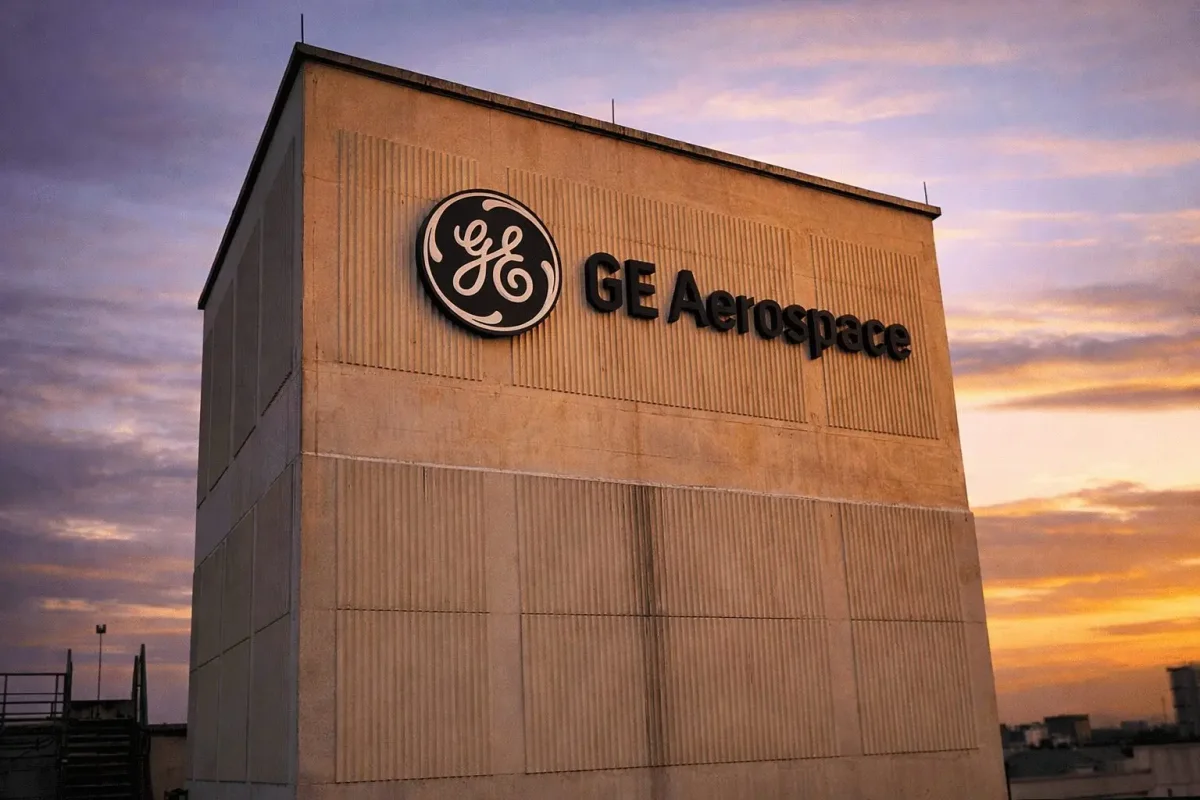
Shares of GE Aerospace retreated sharply during Tuesday's trading session, closing down 3.2% at $334.51. The decline marked a notable underperformance against its industrial peers, as a sudden surge in crude oil prices rattled equity markets and reignited concerns over persistent inflation.
The sell-off occurred despite a bullish analyst move. Bernstein analyst Douglas Harned raised his firm's price target for GE Aerospace to $405, up from $374, while maintaining an "Outperform" rating. The new target suggests significant upside from current levels, but was insufficient to counter broader macro pressures.
Oil Spike Triggers Macro Fears
The primary catalyst for the downturn was a sharp climb in oil prices, which investors interpreted as a potential threat to the global economic outlook. "The market is concerned that the U.S. is getting pulled deeper into this conflict than investors had expected," noted Tim Ghriskey, senior portfolio strategist at Ingalls & Snyder. He added that rising energy costs "is a negative to the global economy." This sentiment triggered a widespread pullback in equities, particularly affecting sectors sensitive to economic cycles.
For GE Aerospace, the connection is direct. The company's engine business is intricately linked to airline operations and maintenance cycles. Higher fuel prices can pressure airline margins, potentially leading carriers to delay capacity additions or postpone non-essential engine shop visits. This dynamic can elongate service cycles and temporarily dampen the high-margin aftermarket revenue stream that is central to GE's investment thesis.
Industrial Sector Under Pressure
The weakness was not isolated. The broader industrial sector felt the pressure, with the Industrial Select Sector SPDR Fund (XLI) losing approximately 1.9%. Aerospace peers also traded lower: RTX shares declined 2.7%, while Boeing gave up roughly 2.5%. The iShares U.S. Aerospace & Defense ETF (ITA) fell around 2.1%, reflecting a sector-wide retreat.
This market action highlighted the vulnerability of premium industrial stocks to macroeconomic shocks. Even with strong fundamental backlogs and resilient aftermarket models, sentiment can sour quickly when investors brace for a prolonged period of higher input costs and economic uncertainty.
Strong Fundamentals Provide a Backdrop
The sell-off unfolded against a backdrop of robust company fundamentals. In a recent investor update, GE highlighted a massive order backlog approaching $190 billion. This figure represents future revenue already on the books, awaiting fulfillment across both commercial and defense contracts.
Furthermore, the company's installed base remains a formidable asset. GE Aerospace powers approximately 45,000 commercial aircraft engines and an additional 25,000 military engines worldwide. The company reports earnings separately for its commercial engines and defense propulsion segments, providing clarity on these distinct businesses. The bullish long-term case for GE heavily relies on aftermarket revenue—generated from engine maintenance, spare parts, and services—which typically remains resilient as airlines operate aging fleets and is a critical source of cash flow.
Looking Ahead to Earnings
Investors are now looking toward the company's upcoming first-quarter earnings report for 2026. GE Aerospace has scheduled an earnings webcast for April 21, which will provide the next detailed look at the company's financial progress and management's outlook, particularly in light of the current volatile commodity environment.
Tuesday's trading served as a reminder that even companies with solid fundamentals and positive analyst sentiment are not immune to broader market forces. The interplay between GE's strong operational position and external macro headwinds will likely remain a key focus for shareholders in the coming weeks.