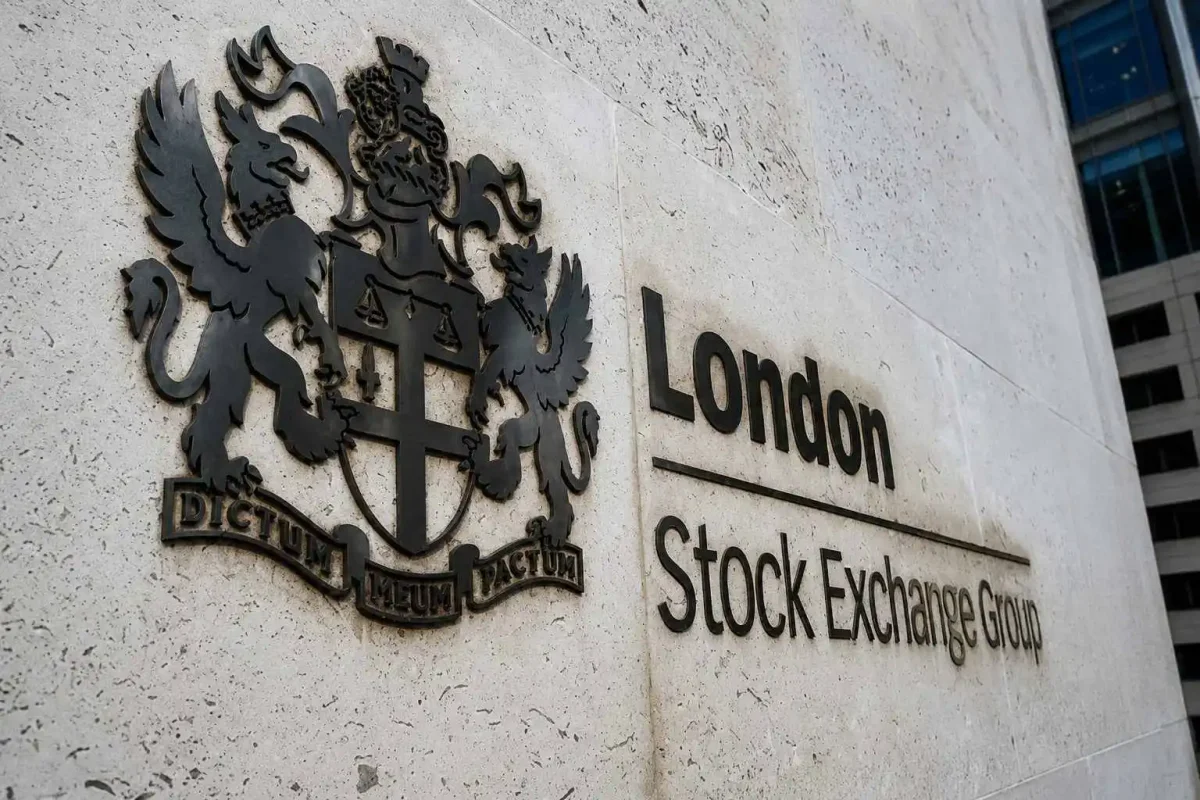
The FTSE 100 opened modestly higher on Tuesday, gaining 0.28% to 10,367.71, as investors welcomed a dip in crude oil prices and renewed merger activity that offset lingering concerns over Middle East tensions and domestic economic headwinds. The blue-chip index recovered some ground after Monday's 0.68% slide, which was triggered by escalating geopolitical risks and their potential to stoke inflation.
EasyJet in the Spotlight
EasyJet shares remained under the microscope after the airline confirmed it had not yet received a formal offer from U.S. investment firm Castlelake, which holds a 2.14% stake and has until June 26 to table a bid. Castlelake has indicated a potential offer of no less than 403.23 pence per share, a price that analysts at Barclays and Deutsche Bank consider well below the airline's intrinsic value, given its fleet, slots, and holidays business. The board has described the timing as "highly opportunistic" amid Middle East uncertainty and elevated jet fuel costs.
Oil Prices Retreat
Brent crude slipped 0.57% to $94.44 per barrel, providing some relief to sectors sensitive to energy costs, including airlines and transport. The decline followed Monday's sharp spike that had weighed heavily on the market. However, traders remain wary that any further escalation in the Middle East could quickly reverse the trend, keeping the Bank of England on alert regarding inflation.
Drax to Acquire Bluefield Solar
In deal news, power generator Drax announced it will acquire Bluefield Solar Income Fund for approximately £561 million, adding a portfolio of UK solar, wind, and small-scale wind assets. Bluefield shares surged on the announcement, while Drax edged higher. The acquisition underscores continued interest in renewable energy infrastructure among UK-listed firms.
Factory Prices Surge, Housing Weakens
UK factory gate prices rose at the fastest pace since June 2022, with the S&P Global UK Manufacturing PMI hitting 53.9 in May, the highest reading in two years. The survey highlighted new cost pressures from energy, materials, and supply chain disruptions. Meanwhile, Nationwide reported that UK house prices fell 0.6% month-on-month in May, the first decline since December, as consumer confidence weakened amid the conflict. Annual house price growth slowed to 1.7% from 3.0% in April.
Market Outlook
The early bounce in equities could prove fragile if oil prices resume their upward trajectory or if inflation data forces the Bank of England to delay rate cuts. A sustained rise in crude would likely pressure travel, retail, and homebuilding stocks, potentially dampening the positive impact of M&A activity on the broader index.