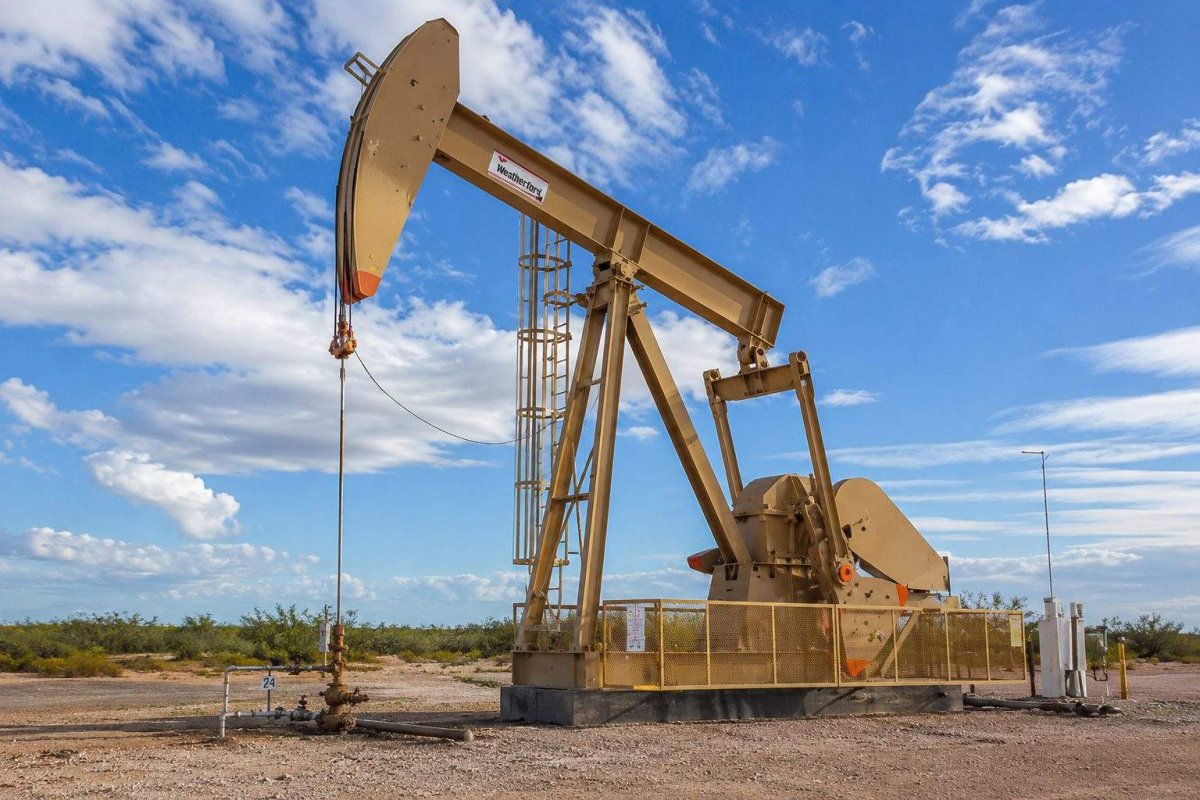
NEW YORK, July 16, 2026 – A dramatic rebound in crude oil prices is emerging as a key wildcard for the Federal Reserve, threatening to reverse the disinflationary momentum seen in June's consumer price data. Brent crude settled at $84.23 per barrel on Thursday, while West Texas Intermediate (WTI) closed at $78.95, representing a roughly 11% surge from their July 10 settlement levels of $76.01 and $71.41, respectively.
Inflation data reveals energy-driven decline
The Bureau of Labor Statistics reported that U.S. consumer prices fell 0.4% in June, largely due to a 5.7% slump in energy costs. The energy index, which carries a 7.791% weight in the CPI basket, contributed an estimated 0.44 percentage-point pull on the headline figure—meaning the sector alone accounted for more than the entire monthly decline. Gasoline prices dropped 9.7% during the month, providing significant relief to consumers.
However, these figures do not capture the subsequent run-up in oil prices. The timing is critical: June's mild reading offers less predictive value than usual, as the recent crude rally has yet to feed through to pump prices. Analysts warn that if Brent holds near current levels through late July, the case for further Fed tightening will strengthen.
Market pricing shifts toward September hike
According to CME Group's FedWatch Tool, markets are now pricing in a 53% probability of a rate increase at the September Federal Open Market Committee meeting. This marks a notable shift from earlier expectations, though a July pause remains the baseline scenario, with odds of a hike this month at just 10.2% following Wednesday's producer price data.
The bond market reflects this uncertainty. The 10-year Treasury yield closed around 4.57%, nearly unchanged for the week, while the two-year yield climbed to 4.154% on Thursday. This steepening suggests investors are pricing in Fed risk without fully committing to a decisive victory over inflation.
Equities slip as energy rally reshapes risk appetite
The S&P 500 fell 0.5% from July 10 to July 16, closing at 7,533.77, while the tech-heavy Nasdaq Composite dropped 1.5% to 25,881.95 over the same period. Interest-rate-sensitive stocks have been particularly pressured, as the oil rally complicates the outlook for monetary policy easing.
Fed officials signal caution
Dallas Fed President Lorie Logan noted that "modestly higher interest rates" could help balance risks more effectively. Governor Christopher Waller acknowledged that concerns over energy pass-through had diminished but cautioned that previous increases in spot prices might still impact core inflation. Their comments underscore the delicate balancing act facing policymakers as they weigh resilient consumer demand against energy-driven price pressures.
Consumer strength provides cover for pause
Despite the oil spike, the economy continues to show resilience. Preliminary June retail sales rose 0.2%, while weekly jobless claims fell to 208,000. This combination gives the Fed room to pause in July, but provides limited justification for declaring victory over inflation. The upcoming week's economic calendar is relatively light, with state labor statistics due Tuesday and new-home sales data on Friday, leaving oil headlines as the dominant market driver.
Risks and positioning
The crude rally may be amplified by market positioning. Ed Hayden-Briffett, an analyst at The Officials, noted that investor positioning "was very short" ahead of the escalation, suggesting the surge was probably accelerated by short covering. Key risks include a diplomatic breakthrough in the Hormuz Strait, which could rapidly remove the oil premium, or simultaneous disruptions at both Hormuz and Bab el-Mandeb, which would send shipping, insurance, and fuel costs sharply higher.
Outlook
For now, investors see a July pause as the most probable outcome. The September outlook hinges on oil prices: if Brent remains elevated into late July, risks of further tightening persist. Should crude retreat and two-year yields decline, the argument for additional hikes would become less compelling. The Fed's next meeting is scheduled for July 28-29, and until then, energy markets will likely take center stage.