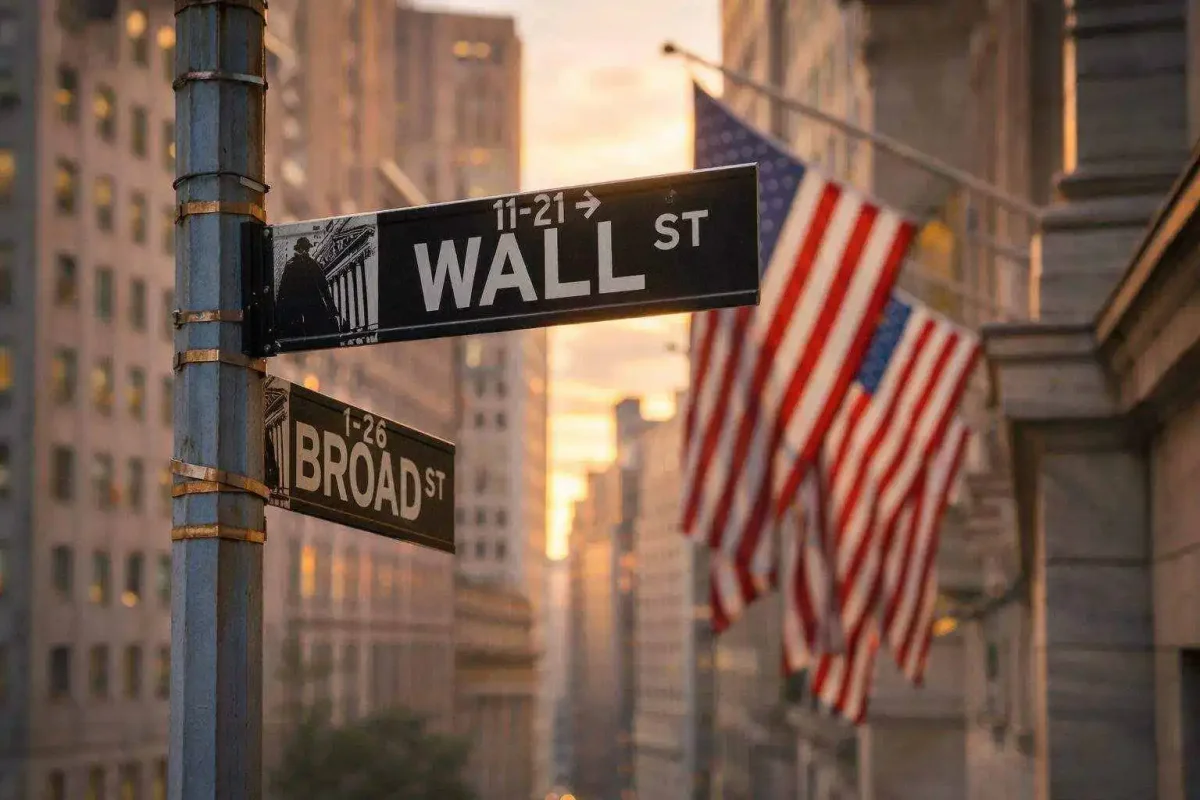
U.S. equity markets relinquished early gains on Tuesday, closing broadly lower as escalating geopolitical concerns in the Middle East triggered a sharp rally in oil prices, overshadowing a batch of positive corporate earnings. The S&P 500 declined approximately 0.63% to settle at 7,064, while the Nasdaq Composite dropped 0.59% to 24,260. The Dow Jones Industrial Average fell 293 points, or 0.59%, finishing near 49,149.
The session's reversal was stark, with investor sentiment pivoting from optimism fueled by corporate results to anxiety over international diplomacy. The primary catalyst was uncertainty surrounding peace negotiations between the United States and Iran. Brent crude futures, the global benchmark, surged $3, or 3.1%, to settle at $98.48 per barrel. U.S. West Texas Intermediate crude followed suit, closing at $92.13. Market participants noted that Iran had not agreed to a proposed second meeting with Washington, and the pausing of a planned diplomatic visit added to the unease.
"The wild card is indeed what happens with Iran," stated Thomas Martin, Senior Portfolio Manager at GLOBALT Investments, encapsulating the market's primary concern. The risk is clear: a collapse in ceasefire efforts could drive crude toward $100, increasing costs for transportation, corporate margins, and household budgets globally.
Economic data provided little counterbalance to the geopolitical headwinds. The U.S. Census Bureau reported that retail and food services sales rose 1.7% in March to $752.1 billion. However, analysts cautioned that these figures are not adjusted for inflation, meaning higher prices, particularly for gasoline, could inflate the total even if sales volumes showed minimal growth.
Rising interest rates added further pressure on equities. The yield on the 10-year Treasury note climbed as investors digested the retail sales data and monitored the confirmation hearing for Kevin Warsh, nominated for the top position at the Federal Reserve. Mark Hackett, Chief of Investment Research at Nationwide Investment Management Group, characterized the environment as "softening and rates rising," pointing to renewed uncertainty regarding the Fed's balance sheet and future policy path.
Amid the broader sell-off, individual stocks presented a mixed picture driven by corporate news. UnitedHealth Group was a standout performer, its shares jumping roughly 7% after the healthcare giant reported quarterly earnings and revenue that exceeded analyst expectations. The company also raised its full-year profit outlook. "Margins are improving," observed Brian Mulberry, Client Portfolio Manager at Zacks Investment Management.
In the technology sector, Amazon announced a major commitment to artificial intelligence, planning to invest up to $25 billion in AI startup Anthropic. The deal includes a commitment from Anthropic to spend over $100 billion on Amazon Web Services cloud infrastructure over the next decade, sending Amazon shares higher in after-hours trading.
Conversely, Apple lagged behind its mega-cap peers following news that hardware chief John Ternus will succeed Tim Cook as CEO on September 1. Analysts highlighted that beyond leadership transition, Apple faces mounting pressure to articulate a compelling artificial intelligence strategy to compete with rivals like Nvidia, Google, and Meta. "Building a better AI story" was cited by Bob O'Donnell of TECHnalysis Research as a key challenge for the incoming CEO.
Reflecting the day's crosscurrents, J.P. Morgan raised its year-end target for the S&P 500 to 7,600, citing AI and tech-driven earnings growth. However, the firm simultaneously warned of a potential "short-term consolidation phase," acknowledging that geopolitical uncertainty remains a persistent market risk. Ultimately, a trading day that began focused on corporate fundamentals concluded with investor attention firmly fixed on diplomacy, energy prices, and monetary policy.