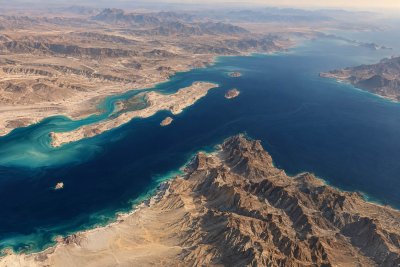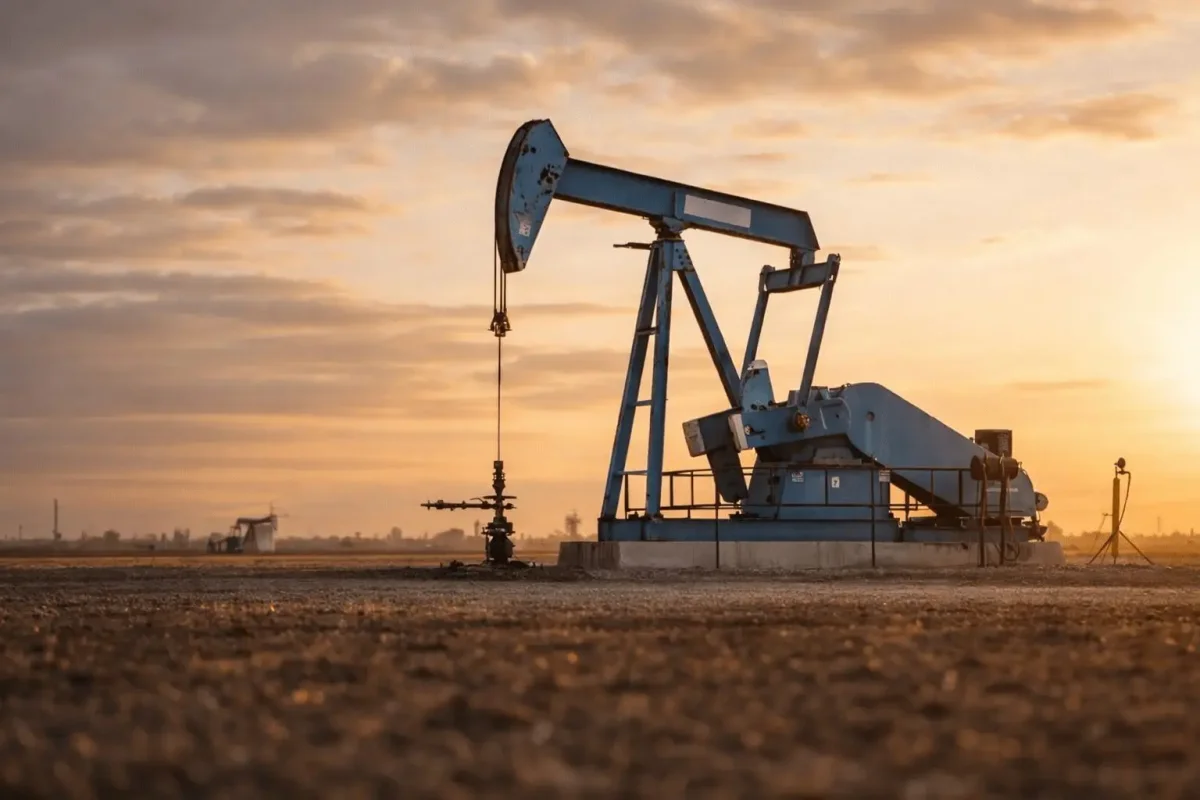
Global oil markets are bracing for heightened volatility as escalating geopolitical tensions threaten to prolong supply disruptions through the critical Strait of Hormuz. The international benchmark Brent crude settled at $112.19 per barrel on Friday, marking its highest closing price since July 2022, following a week of intensified rhetoric between Washington and Tehran.
Supply Outages Intensify Market Tightness
President Donald Trump issued a 48-hour ultimatum to Iran demanding full reopening of the strategic waterway, threatening strikes on Iranian power infrastructure if compliance is not met. Tehran responded with counter-threats against Gulf energy and water facilities, while Iraq declared force majeure on foreign-operated oilfields. These developments have transformed market perception of the Hormuz situation from a temporary shipping disruption to a genuine supply crisis.
The strait typically facilitates approximately 20% of global oil and liquefied natural gas shipments. Over the 22 days since hostilities began, flow disruptions have effectively removed four days' worth of worldwide oil supply from the market. Brent crude advanced 8.8% last week, while West Texas Intermediate, the U.S. benchmark, lagged significantly, widening its discount to Brent to the most substantial margin in eleven years.
Refinery Response and Market Sentiment
Asian refiners and petrochemical plants, particularly those dependent on Gulf shipments, have begun throttling processing rates, shutting down units, or declaring force majeure as cargoes remain in limbo. Market analysts express deepening concern about the sustainability of current supply levels. Tony Sycamore of IG characterized the presidential ultimatum as a "48-hour ticking time bomb of elevated uncertainty." Amrita Sen, founder of Energy Aspects, dismissed expectations of Iranian capitulation, warning instead of potential "scorched earth for Gulf infrastructure."
The outlook remains pessimistic, with traders abandoning hopes for a rapid resolution even if limited tanker movement resumes. UBS analyst Giovanni Staunovo sees crude prices biased higher while Hormuz flows remain constrained. Saxo Bank's Ole Hansen doubts a quick turnaround, citing production losses already sustained. International Energy Agency chief Fatih Birol told the Financial Times that Gulf oil and gas flows might require up to six months to fully recover.
Policy Responses and Strategic Reserves
Washington has initiated measures to increase available barrels. The Treasury Department issued General License U on Friday, permitting Iranian-origin crude loaded by March 20 to proceed to buyers. Simultaneously, the Department of Energy awarded contracts for 45.2 million barrels from the Strategic Petroleum Reserve, with deliveries commencing immediately. Treasury Secretary Scott Bessent estimated the Iranian waiver could impact approximately 140 million barrels. However, Brett Erickson of Obsidian Risk Advisors anticipates minimal effect until the strait reopens.
OPEC+ has provided limited market support, announcing a 206,000 barrel-per-day production increase effective April 1. This incremental addition pales in comparison to potential losses from prolonged Hormuz disruption, offering little relief to strained global supplies.
CERAWeek and Broader Economic Implications
Industry attention now turns to Houston, where the CERAWeek energy conference opens Monday. Executives from Saudi Aramco, Chevron, and Shell are scheduled to appear alongside OPEC+ ministers, with "security and affordability" expected as central themes. Dan Pickering of Pickering Energy Partners described U.S. shale as maintaining "status quo" pending clarity on conflict duration. The S&P 500 energy sector has advanced alongside crude prices, even as the broader index touched a six-month low.
Beyond immediate supply concerns, traders this week will monitor flash business activity surveys, Japanese inflation data, and the OECD's interim outlook for early indications that the oil shock is elevating factory costs, service-sector prices, and growth forecasts. Market participants assess that Asia and Europe face greater imported energy inflation risks than the United States.
The situation retains potential for reversal. Iran's representative at the International Maritime Organization maintained the strait remains open to vessels unaffiliated with Iran's adversaries, suggesting safe transit could be arranged through Tehran. Should passage widen and emergency supplies reach refiners sooner than anticipated, Brent could relinquish some recent gains. Presently, however, threats rather than relief are establishing the market's tone for the coming week.