Crude oil markets concluded a turbulent week with significant gains, as persistent geopolitical risks in the Middle East continued to underpin prices. The international benchmark, Brent crude, settled at $112.57 per barrel on Friday, while U.S. West Texas Intermediate (WTI) finished the session at $99.64. For the week, Brent posted a modest advance of approximately 0.3%, with WTI climbing more than 1%, reflecting a market gripped by uncertainty over supply security.
Market Swings on Diplomatic Signals
Price action was exceptionally volatile, characterized by sharp daily reversals tied to diplomatic developments between the U.S. and Iran. The week began with a dramatic sell-off, as Brent plunged 10.9% to $99.94 and WTI slumped 10.3% to $88.13 on Monday. This drop followed an announcement from U.S. President Donald Trump of a five-day delay on planned strikes against Iranian power facilities, coupled with references to "constructive" discussions.
However, the reprieve was short-lived. Prices rebounded strongly on Tuesday, with Brent jumping 4.55% to $104.49 and WTI gaining 4.79% to $92.35, as underlying supply snags reasserted their influence. Analysts noted the market was being driven by "mixed signals," with the fundamental reality of disrupted flows remaining unchanged. The whipsaw action continued into Wednesday, with both benchmarks shedding 2.2% as Iran considered a U.S. proposal.
Supply Disruption Reality Bites
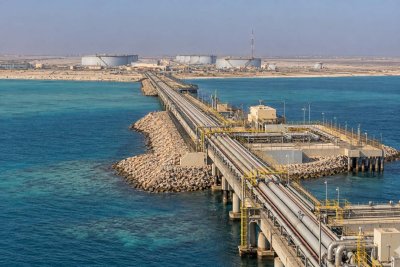
The core issue remains the strategic Strait of Hormuz, a chokepoint for roughly one-fifth of global seaborne oil trade. Disruptions there have forced major Gulf producers, including Saudi Arabia and the United Arab Emirates, to cut crude output. Sheikh Nawaf Saud Al-Sabah, CEO of Kuwait Petroleum, described the situation as an episode "holding the world’s economy hostage." He cautioned that even an immediate cessation of hostilities would require three to four months for Kuwait to restore full production capacity.
The supply squeeze is translating into tangible economic pressures worldwide. India's government warned on Saturday of downside risks to its 7.0%-7.4% growth forecast for the upcoming fiscal year, citing soaring freight and energy costs linked to the conflict. Meanwhile, Egypt initiated a series of austerity measures, with Prime Minister Mostafa Madbouly announcing a pause on fuel-intensive state projects for at least two months, a 30% reduction in government vehicle fuel use, and expanded remote work protocols for Sundays in April.
Limited Capacity for Rapid Response
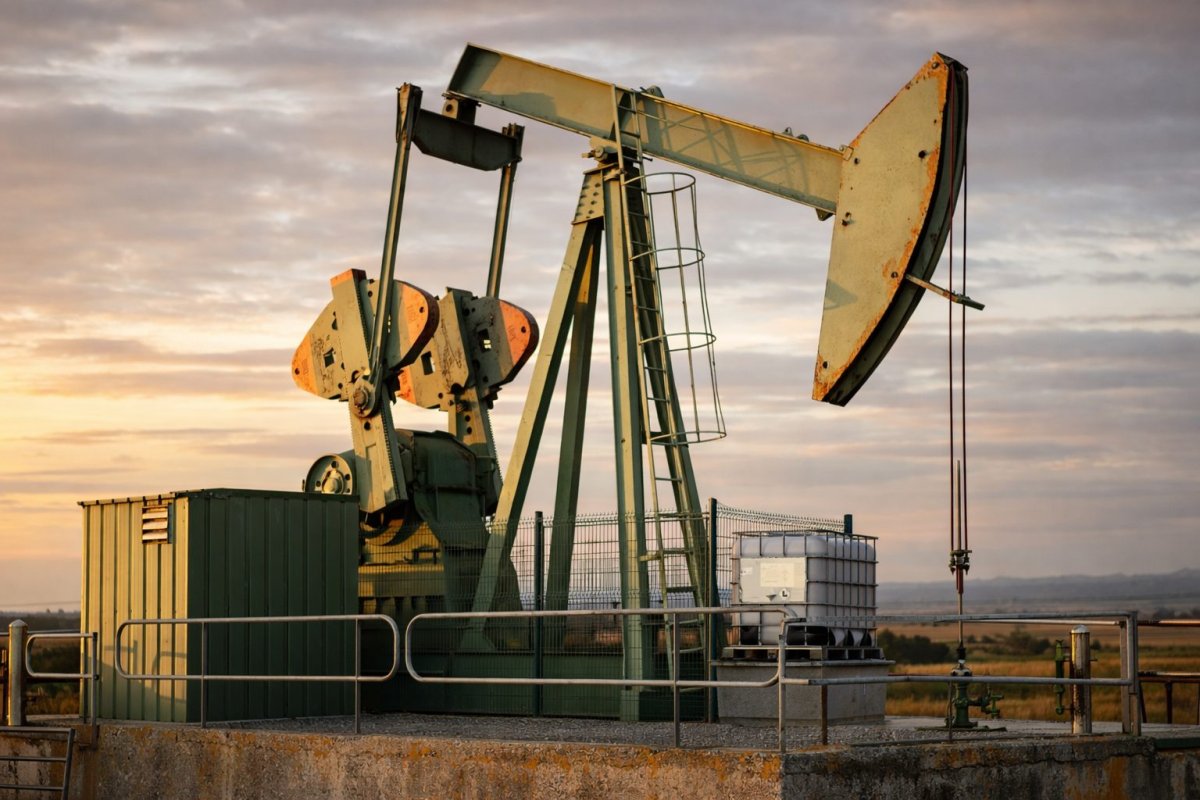
The market cannot look to U.S. shale for a quick fix to the supply gap. The latest Baker Hughes report showed the national oil and gas rig count fell by nine to 543, its lowest level since mid-January. The number of active oil rigs alone declined by five to 409, indicating a cautious approach from domestic producers despite high prices.
Analysts remain divided on the outlook. Barclays, in a base scenario, anticipates Hormuz flows could normalize by early April, with Brent averaging $85 per barrel for 2026. Some ship-tracking data from LSEG and Kpler showed limited transit activity, including two liquefied petroleum gas carriers moving toward India. However, the bank warned of a severe downside risk, noting a prolonged disruption could remove 13 to 14 million barrels per day from the market.
Investor Sentiment and Broader Impact
The geopolitical risk premium was firmly back in focus by Friday's close, with traders pricing in sustained supply uncertainty. The volatility spilled over into equity markets, contributing to a slide in global stocks. "Words alone aren’t cutting it right now," remarked Matt Britzman, an analyst at Hargreaves Lansdown. Dan Boston from Polar Capital highlighted the inflationary ripple effects, noting that extended closure of the strait would further elevate shipping and food costs, eroding consumer confidence.
The week's trading pattern, described by analysts at Ritterbusch & Associates as a persistent "zig and zag" on war-related headlines, serves as clear evidence that volatility, rather than firm conviction, is the primary driver of current crude prices. With diplomatic pauses proving temporary and military tensions simmering, the oil market remains on edge, awaiting a definitive resolution to the crisis threatening one of the world's most critical energy arteries.