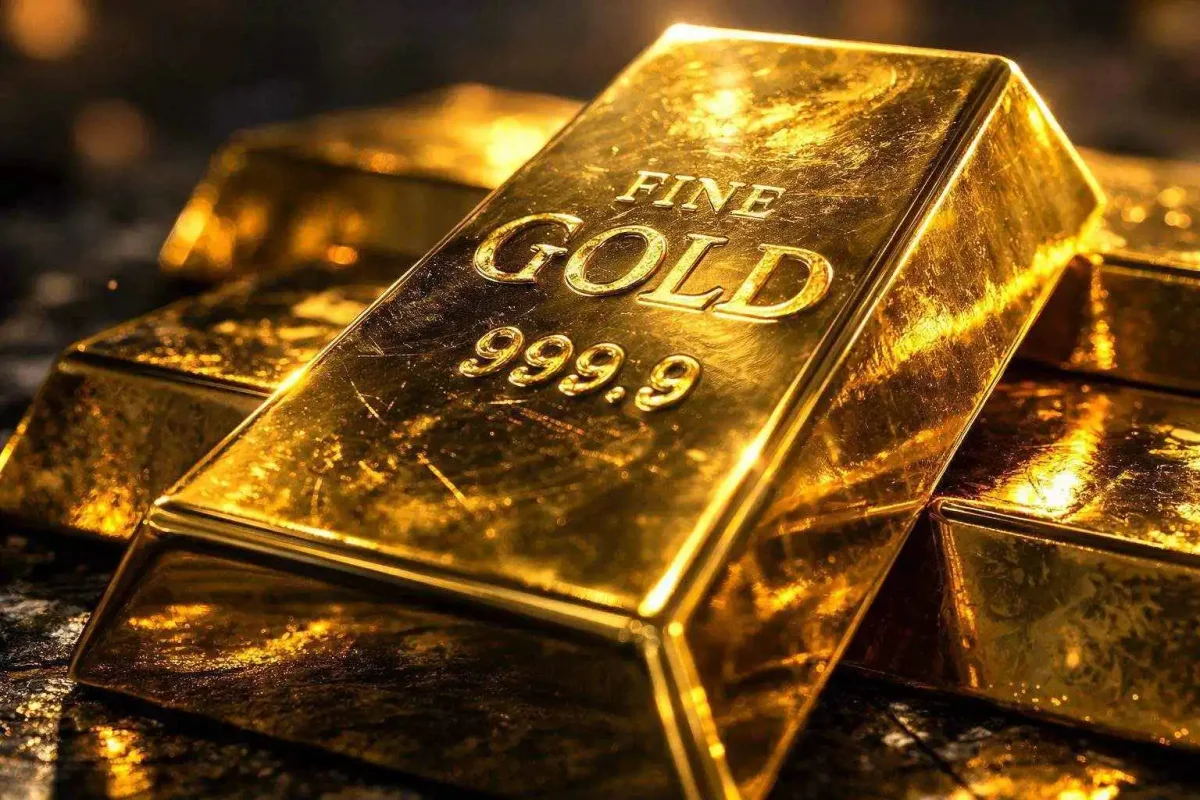
Gold prices extended their decline for a second consecutive week on Friday, March 14, 2026, as a strengthening U.S. dollar and renewed inflation anxieties weighed on the precious metal. Spot bullion settled at $5,052.15 per ounce, marking a 0.5% drop for the session, while U.S. gold futures closed slightly higher at $5,061.70. The broader precious metals complex also retreated, with silver, platinum, and palladium all recording losses.
Market Caught Between Geopolitics and Monetary Policy
The metal's performance reflects a market caught in a persistent tug-of-war. On one side, haven demand is supported by elevated geopolitical risks, notably the ongoing conflict with Iran. On the other, the prospect of sustained higher interest rates from the Federal Reserve presents a significant headwind. Independent metals trader Tai Wong acknowledged the long-term bullish case for gold but pointed to the dollar's current strength as a key factor pulling prices toward their lowest levels since the conflict's escalation.
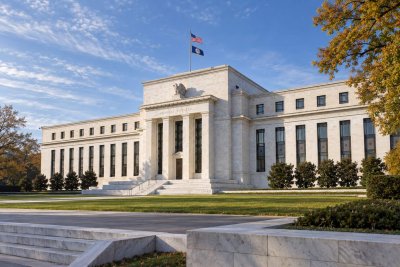
This dynamic sets the stage for the Federal Reserve's upcoming policy meeting on March 17-18. Despite recent pressure, gold has retained a substantial 19% gain for 2026, building on an impressive 64% surge the previous year. This resilience comes even as the U.S. dollar has reclaimed its status as a primary safe-haven asset, outperforming other traditional shelters.
Inflation Data and Rate Cut Expectations
Friday's economic data did little to shift the narrative. The Bureau of Economic Analysis reported that the Personal Consumption Expenditures (PCE) price index, the Fed's preferred inflation gauge, rose 0.4% in January. The core PCE measure, which excludes volatile food and energy costs, also increased 0.4% for the month and was up 3.1% over the past year. As a non-yielding asset, gold often struggles when inflation remains stubbornly high, as it increases the opportunity cost of holding bullion versus interest-bearing assets.
In response to the persistent inflation backdrop, Barclays revised its monetary policy outlook on Friday. The bank pushed back its forecast for the Fed's first interest rate cut of 2026 from June to September. Barclays now anticipates only a single quarter-point reduction for the entire year, citing sticky core inflation and elevated oil prices driven by Middle East tensions as constraints on the central bank's ability to ease policy. The bank noted, however, that a significant rise in unemployment could force a reassessment.
Analysts Describe a "Push-and-Pull" Environment
Market strategists characterize the current climate as one of conflicting forces. Peter Grant, senior metals strategist at Zaner Metals, described it as a "push-and-pull" between haven flows from conflict and the anchoring effect of higher interest rates. Bart Melek of TD Securities observed that while oil prices have retreated from triple-digit highs, they remain sufficiently elevated to provide underlying support for gold, yet not so high as to completely eliminate the possibility of future Fed rate cuts.
Physical Market Under Pressure
The physical gold market is also experiencing strain. According to sources, some outbound flights from Dubai—a critical hub for bullion shipments to India, Switzerland, and Hong Kong—resumed operations after weeks of disruption. However, air traffic was reported at just 37% of normal levels, leading to increased delivery costs. Concurrently, demand in India, a major consuming nation, remained notably weak, with local gold prices trading at a discount to the benchmark London price.
Bullish Bank Forecasts Remain Intact
Despite short-term trading weakness, long-term institutional forecasts have not wavered. UBS raised its gold price targets for March, June, and September 2026 to $6,200 per ounce, maintaining a year-end forecast of $5,900. The bank outlined a wide range of potential outcomes, suggesting prices could climb to $7,200 if geopolitical tensions intensify, or fall to $4,600 if the Fed adopts a more hawkish stance than expected.
Other major banks share a similarly optimistic view. A Reuters survey of forecasts from early February placed UBS and JPMorgan in the $6,200-$6,300 range for 2026. Deutsche Bank targeted $6,000, while Citi set its first-quarter base case slightly lower at $5,000. UBS analyst Giovanni Staunovo anticipates "a new record high above $6,200/oz." Philip Newman, director at Metals Focus, acknowledged ongoing price volatility while leaving room for further appreciation.
Adding to the bullish chorus, BNP Paribas recently increased its 2026 gold price target by 27% to $5,620, with a year-end peak projection above $6,250. Adrian Ash, research director at BullionVault, likened gold's daily price movements to "a coin toss" but affirmed its enduring appeal should geopolitical conflicts persist.
Cracks in the Bullish Consensus
Not all voices are uniformly positive. In January, Goldman Sachs highlighted risks to the bullish thesis, warning that if long-term policy concerns abate, investors might unwind the macro-hedging positions that have fueled gold's rally. The firm also cautioned that a more aggressive Fed policy stance could increase downward pressure on prices.
The broader analyst community reflects a mix of caution and optimism. The latest Reuters survey, published February 4 and incorporating views from 30 analysts and traders, set the median gold price forecast for 2026 at a record-high $4,746.50 an ounce, driven by persistent geopolitical tensions and steady central bank demand. However, the near-term outlook remains subdued, balancing dollar strength against underlying market nerves.