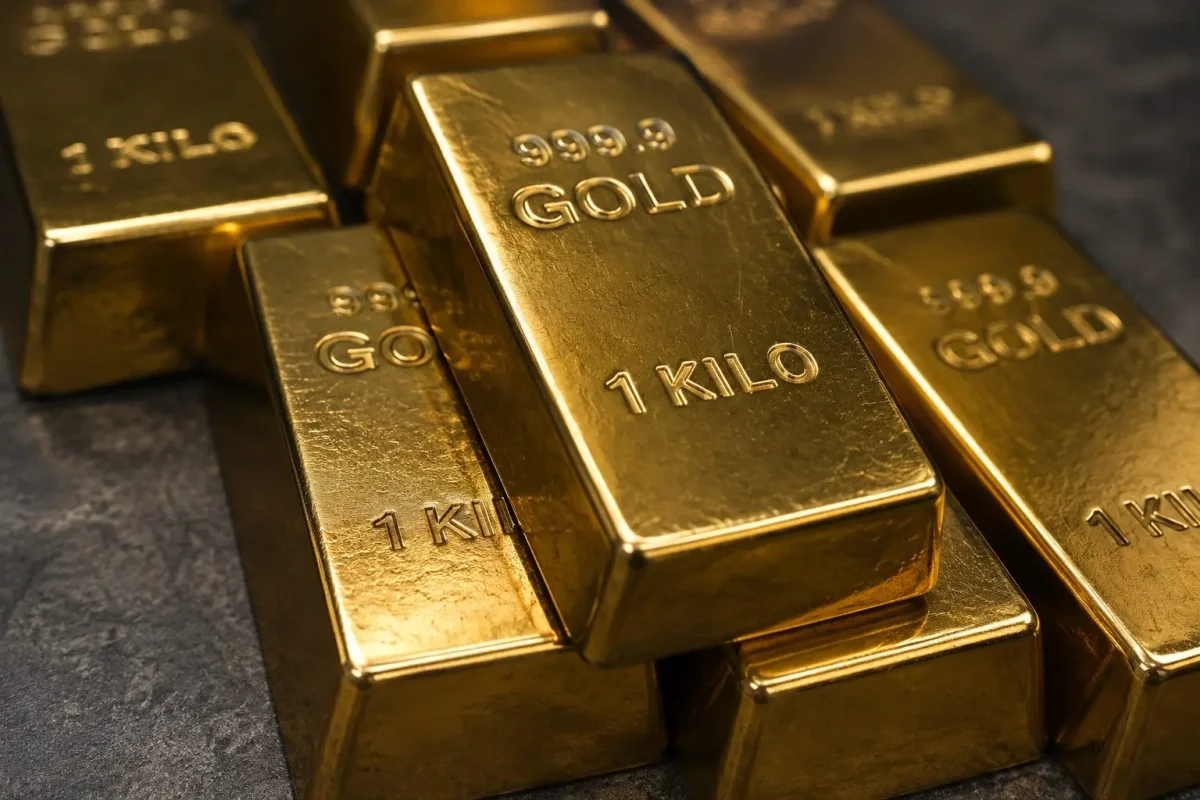
Gold prices retreated below the $4,000 threshold on Monday, sliding 3.09% to $3,992.20 per ounce, as a sharp rally in crude oil triggered by escalating U.S.-Iran hostilities reshaped market dynamics. The precious metal's decline came as Brent crude surged more than 5% to top $80 a barrel, and Federal Reserve Governor Christopher Waller hinted at the possibility of a rate hike if inflation data remains hot.
Rate Expectations Drive Gold Lower
The unusual price action—gold typically benefits from geopolitical turmoil as a safe haven—reflects a market increasingly focused on the inflationary implications of higher oil prices. With transport and production costs rising, traders are pricing in a greater likelihood of monetary tightening, which strengthens the U.S. dollar and makes non-yielding assets like gold less attractive. U.S. two-year and 10-year Treasury yields moved higher alongside crude, amplifying the pressure on bullion.
Waller noted that core personal consumption expenditures inflation, excluding food and energy, climbed from 3% in December to 3.4% in May, with nearly 70% of core-services categories showing inflation above 3% over both three- and 12-month periods. He warned that another hot inflation report could prompt the Fed to tighten monetary policy in the near term. Rate futures subsequently priced the odds of a July rate hike as high as 45%, up from 35% earlier in the day.
Gold Stocks Follow Bullion Lower
The sell-off extended to gold-related equities, with SPDR Gold Shares (NYSEARCA:GLD) falling 2.78% to $366.53, while major miners Newmont (NYSE:NEM), Barrick Gold (NYSE:B), and Agnico Eagle Mines (NYSE:AEM) dropped between 2.47% and 2.83%. The narrow range of declines suggests a broad-based move against the gold sector rather than company-specific issues.
Fawad Razaqzada, market analyst at Forex.com, described the combination of rising oil and tightening policy talk as “bad news for zero-yielding assets like gold.” He warned that gold could be pushed toward $3,800 initially, with a potential further decline to $3,500—representing additional downside of roughly 4.8% and 12.3%, respectively.
Oil Supply Risks and Market Positioning
Approximately 20% of the world’s daily oil and LNG passes through the Strait of Hormuz, a chokepoint now under heightened scrutiny. UBS analyst Giovanni Staunovo noted that tanker traffic into the area remains a key variable; a reduction in arrivals could squeeze output and sustain the risk premium in oil prices.
Market sentiment was already cautious heading into the week. Kitco’s Friday survey showed only 38% of Wall Street analysts bullish on gold, with 23% bearish and 38% neutral. Among 282 retail investors, 42% expected higher prices while 38% anticipated a decline. Adam Button at investingLive had warned that upside risks for oil likely meant downside risks for gold.
Key Data and Fed Testimony Ahead
Investors now turn to a busy week of economic releases, including June consumer-price index numbers and Federal Reserve Chair Kevin Warsh’s first congressional testimony on monetary policy Tuesday, followed by producer prices on Wednesday. Joel Kruger, market strategist at LMAX Group, said these events should provide “much clearer direction for markets.” A soft core inflation reading could sever the link between the oil rally and higher rate expectations, while another strong print would reinforce it.
The trade could reverse quickly if Hormuz shipping recovers or oil prices retreat, potentially lowering bond yields and the dollar and restoring gold’s appeal as a hedge. Waller himself acknowledged that inflation could still decline without further tightening. However, if oil remains elevated and broad price pressures persist, the Fed may be forced to act, keeping gold under pressure.
For now, the pattern is clear: oil rises, two-year yields climb, and gold falls. Major miners are tracking bullion closely. The key test will come with Tuesday’s data—whether gold’s dip below $4,000 becomes a sustained move or merely a shakeout ahead of the inflation numbers.