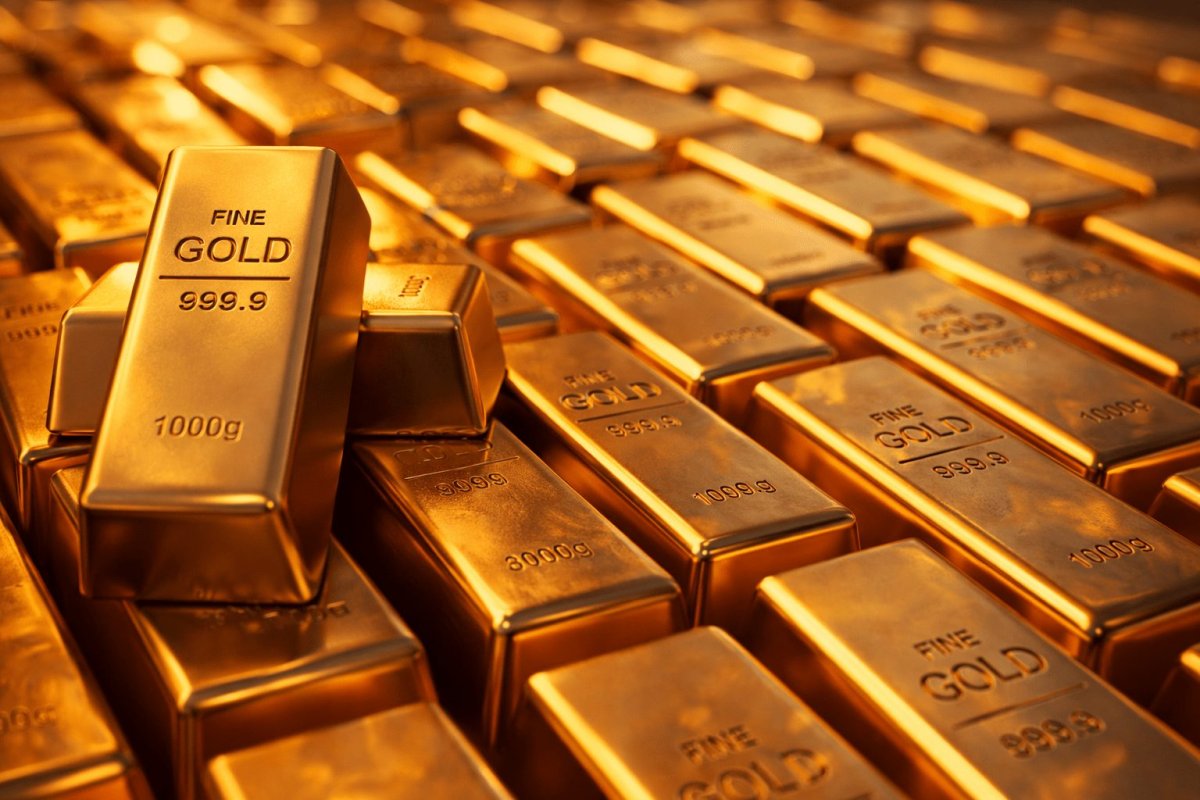
Spot gold prices rallied more than 2% on Tuesday, reaching $4,608.16 per ounce, while U.S. gold futures settled at $4,639.00. Despite this daily gain, the yellow metal is locked in for its most severe monthly decline since October 2008, a period marked by the global financial meltdown. The rebound follows a prolonged sell-off throughout March, driven by shifting expectations for U.S. monetary policy.
Precious Metals and Commodities in Focus
Other precious metals also saw significant moves. Silver soared 4.9% to $73.37 per ounce. Platinum advanced 1.2%, and palladium gained 2.6%. However, like gold, all three metals are positioned to close the month of March lower, underscoring broad-based pressure on the sector.
In the energy complex, Brent crude futures traded near $118 per barrel, heading for a potential record monthly gain. The surge in oil prices, fueled by ongoing geopolitical tensions in the Middle East, is stoking global inflation fears. This dynamic is critically important for gold, as it influences central bank policy decisions.
The Federal Reserve's Cautious Stance
The U.S. Federal Reserve held its benchmark interest rate steady in a range of 3.50% to 3.75% at its March 18 meeting. Officials have adopted a watchful posture, indicating they need more data to assess the impact of the Middle East conflict on both inflation and economic growth before determining their next policy move.
In remarks on Monday, Chair Jerome Powell suggested the central bank might adopt a "wait and see" approach. Similarly, New York Fed President John Williams described current policy as "well positioned" to handle an "unusual set of circumstances." He specifically highlighted the energy price shock as a factor likely to push inflation higher in the coming months, which maintains a challenging high-rate environment for non-yielding assets like gold.
Analyst Perspectives on Gold's Path
Market analysts offered mixed views on the sustainability of the rebound. Peter Grant, Vice President and Senior Metals Strategist at Zaner Metals, characterized the recent climb as a classic technical rebound following a severe sell-off. He noted that bullion could target the $5,000 level if cooling oil prices and moderating inflation revive market hopes for a Federal Reserve rate cut later this year.
Conversely, Jim Wyckoff, Senior Analyst at Kitco Metals, warned the recovery appears fragile. He suggested that an extended conflict could see gold prices fall below $4,000. A ceasefire, coupled with renewed expectations for rate cuts, might instead propel the metal toward $5,000.
Long-Term Bank Forecasts and Risks
Major financial institutions maintain bullish long-term outlooks despite the near-term volatility. Goldman Sachs, in a January projection, forecast gold reaching $5,400 by the end of 2026. The bank cited continued reserve diversification by central banks in emerging markets and increased private-sector buying as key supportive drivers.
UBS has recently raised its price target, now calling for $6,200 in March, June, and September, before revising it down to $5,900 by year-end. However, the bank attached a significant caveat: a more hawkish pivot from the Fed could trigger a drop to $4,600. UBS analysts noted that near-term policy risk continues to overshadow the longer-term structural support from official sector demand.
The month of March has been defining for the gold market. Despite notching gains on the final two trading days, the metal is concluding its worst monthly performance in over 15 years. Traders spent much of the month liquidating positions as oil prices surged and optimism for imminent U.S. interest rate cuts largely evaporated, reshaping the investment landscape for precious metals.