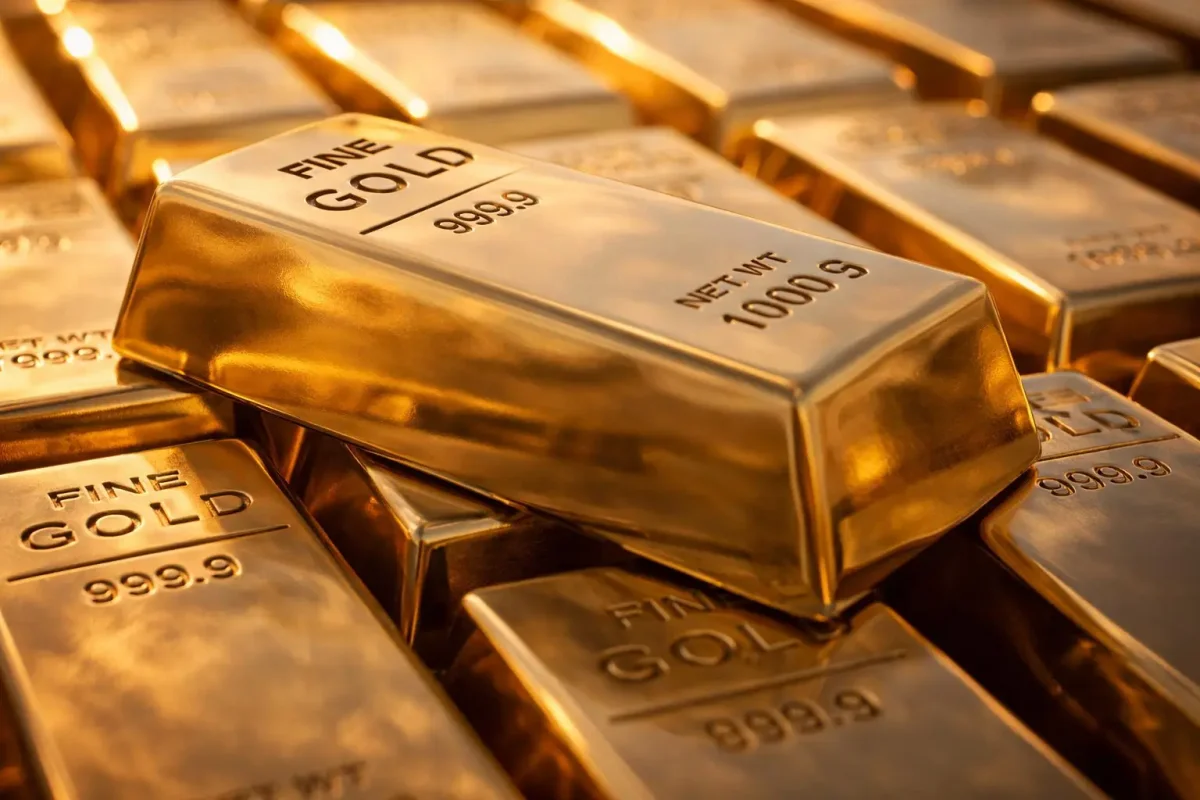
Gold prices reversed course on Thursday, surrendering earlier advances as a firmer U.S. dollar and climbing bond yields dampened the metal's appeal, even amid escalating geopolitical risks in the Middle East. The shift highlights the complex dynamics currently influencing the precious metals market, where traditional inflation hedges face pressure from rising interest rates.
Price Action and Key Drivers
Spot gold fell 1.2% to $5,075.54 per ounce by late afternoon trading on Thursday, retreating from an intraday peak of $5,194.59. U.S. gold futures mirrored the decline, dropping approximately 1% to $5,085. The downturn occurred despite ongoing military action, as U.S. and Israeli airstrikes against Iran entered their sixth day, intensifying regional instability and typically supportive safe-haven flows.
The primary headwinds emerged from currency and fixed-income markets. The U.S. dollar index, which gauges the greenback against a basket of major currencies, advanced 0.5%. Concurrently, the yield on the benchmark 10-year U.S. Treasury note climbed to a three-week high. A stronger dollar makes gold more expensive for holders of other currencies, while higher yields increase the opportunity cost of holding non-yielding bullion.
Inflation and Federal Reserve Policy in Focus
Market participants are grappling with conflicting signals. Rising oil prices, supported by energy supply fears linked to the Middle East conflict, are stoking concerns about persistent inflation. These conditions would normally bolster gold's traditional role as an inflation hedge. However, the resultant upward pressure on Treasury yields and the potential for a more hawkish Federal Reserve stance are creating a challenging environment for the metal.
"Investors are weighing up rising oil prices and inflation risks, while stronger Treasury yields typically put some pressure on gold," noted Bart Melek, head of commodity strategy at TD Securities. Recent economic data provided mixed signals, with weekly jobless claims holding steady but a separate report showing a significant drop in layoffs for February. The Federal Reserve's latest Beige Book indicated modest economic expansion, ongoing price increases, and stable employment in recent weeks.
Market Awaits Crucial Data
Attention is now squarely on the U.S. non-farm payrolls report for February, scheduled for release on Friday. This data is a critical input for the Federal Reserve's upcoming policy decision on March 18. Markets are currently anticipating that the central bank will maintain its current interest rate level, but the jobs figures could alter expectations for the timing of future rate cuts.
Gold's trajectory has been volatile since it reached a record high of $5,594.82 in late January. Prices briefly surged past $5,400 earlier in the week as the Middle East conflict flared, but the rally proved short-lived as the dollar also attracted safety-driven capital flows.
Broader Precious Metals Complex
The sell-off extended across the precious metals spectrum. Spot silver declined 1.9% to $81.83 per ounce. Platinum eased 1% to $2,128.14, while palladium experienced a more pronounced drop, shedding 2.8% to $1,628.50.
Outlook and Key Variables
The near-term path for gold appears contingent on several factors. A de-escalation of Middle East tensions or a retreat in oil prices could allow Treasury yields to pull back, potentially stabilizing gold. Conversely, should inflation worries persist and the dollar maintain its strength, bullion could face continued pressure regardless of ongoing geopolitical risks. The immediate catalyst will be the U.S. employment data, which will refine market expectations for monetary policy and its impact on real yields and the dollar.