Gold prices retreated on Monday, with spot metal falling 0.5% to $4,994.89 per ounce, approaching its lowest level since February 19. The decline comes amid a significant repricing of interest rate expectations as persistent energy costs fuel inflation worries. U.S. gold futures for April delivery followed suit, dropping 0.6% to $5,031.50.
Oil Shock Drives Inflation Fears
The primary catalyst for the shift in market sentiment is the sustained surge in crude oil prices. Brent crude hovered near $102.42 per barrel, while U.S. West Texas Intermediate crude traded at $95.79. Both benchmarks remain more than 40% higher than their levels from February 28. The critical Strait of Hormuz, which facilitates approximately one-fifth of global oil and liquefied natural gas shipments, remains a focal point for supply concerns, although U.S. officials have indicated current transit is proceeding.
This energy price spike has direct consequences for consumer inflation. The American Automobile Association reported the national average for regular gasoline reached $3.718 per gallon on March 16, a sharp increase from $2.929 just one month prior. "With higher oil prices comes higher inflation," noted Bob Haberkorn, a senior market strategist at RJO Futures, encapsulating the market's prevailing concern.
Federal Reserve Policy Expectations Upended
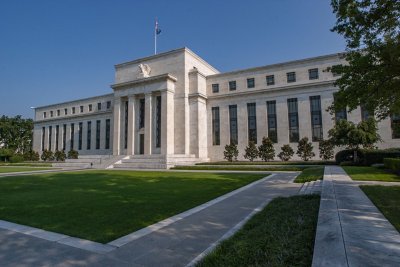
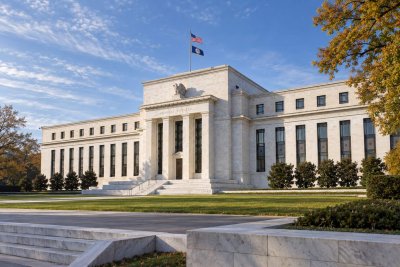
The inflationary pressure from energy is fundamentally altering the outlook for monetary policy. Traders have dramatically scaled back projections for Federal Reserve interest rate cuts in 2024. Market pricing now implies nearly a 100% probability the Fed will hold rates steady at its March meeting this week, with only about 25 basis points of total easing anticipated for the entire year. This is a substantial reduction from the 55 basis points of cuts priced in before the recent geopolitical tensions escalated.
The shift is starkly visible in Treasury markets. The yield on the two-year Treasury note, highly sensitive to interest rate expectations, has climbed 31 basis points since the beginning of March. This recalibration undermines gold, a non-yielding asset that becomes less attractive when interest rates remain higher for longer.
Analysts note the Fed's communication has become less clear. Matthew Luzzetti, chief U.S. economist at Deutsche Bank Securities, highlighted a remarkable shift in narrative: the prospect of a Fed rate hike in 2026, considered "almost unthinkable" just two weeks ago, is now entering the realm of discussion.
Broader Central Bank Landscape
The market's focus extends beyond the Fed. This week features a rare convergence of policy meetings for four major central banks: the Federal Reserve, the European Central Bank, the Bank of England, and the Bank of Japan. This simultaneous gathering has occurred only once since 2021. Investors will scrutinize each institution for any indication that the oil-driven inflation shock could prompt a delay in easing cycles or a more hawkish stance overall.
Some institutions urge caution. The Bank for International Settlements has warned central banks against overreacting to what might be a temporary energy price shock. Furthermore, the International Energy Agency stated it stands ready to release additional emergency oil barrels if necessary, following a record draw from stockpiles last week.
Market Dynamics and Precious Metals
While gold faced headwinds, trading activity remained notable. Estimated trading volume for COMEX gold futures reached 116,990 contracts by 10 a.m. ET Monday, though this represented a decline from Friday's activity. Meanwhile, open interest increased by 918 contracts. In other precious metals, silver prices were largely unchanged, while platinum and palladium posted gains.
Brad Conger, chief investment officer at Hirtle Callaghan, offered a sobering assessment, suggesting markets are approaching a "tipping point" where energy-driven inflation begins to erode economic demand.
Outlook and Implications
The immediate future for gold and broader markets hinges on the upcoming central bank decisions and the trajectory of energy prices. The current environment presents a challenging dichotomy for policymakers: tackling persistent inflation while navigating risks to economic growth. For gold investors, the metal's traditional hedge appeal is being tested by a "higher-for-longer" rate environment. The consensus is that clarity will emerge not from the trading pits, but from the policy statements issued in Washington, Frankfurt, London, and Tokyo this week.