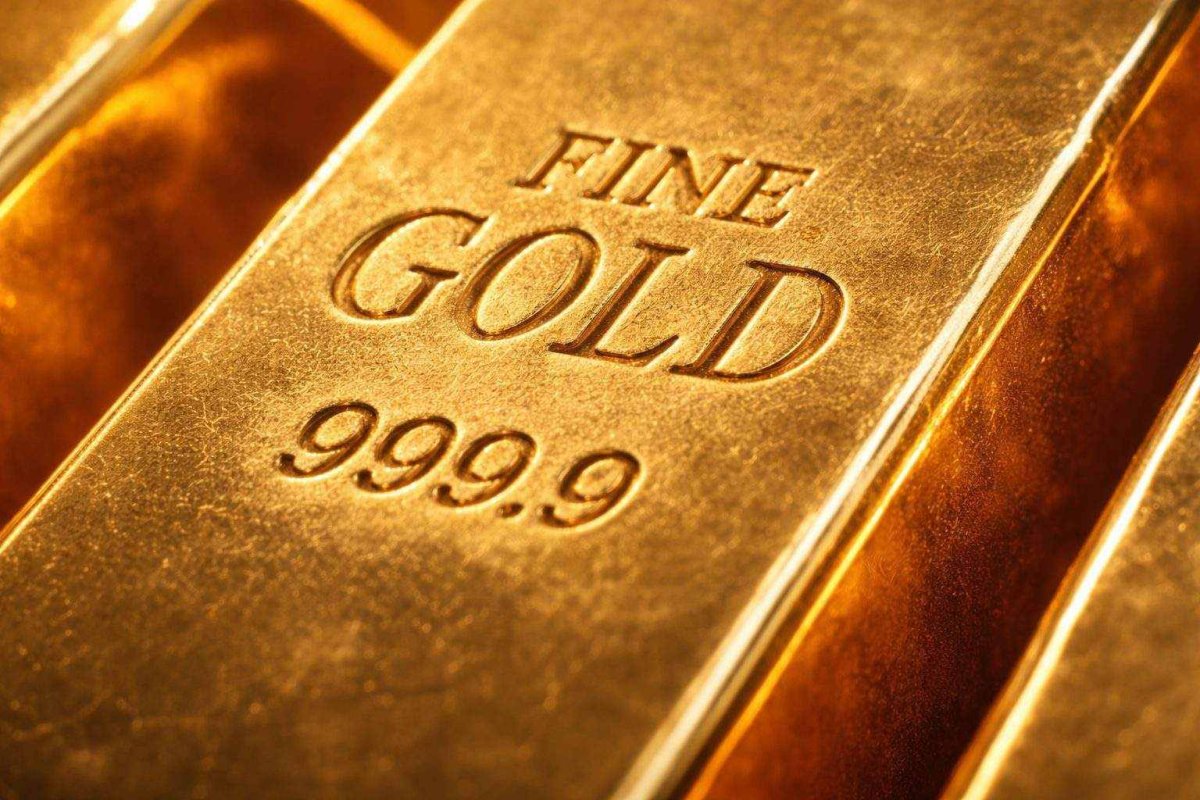
Gold prices moved lower on Monday, April 20, 2026, surrendering recent gains despite a fresh escalation in geopolitical risk. The traditional safe-haven asset failed to find support as financial markets focused on a strengthening U.S. dollar and climbing bond yields, which increased the opportunity cost of holding non-interest-bearing bullion.
Spot gold was last seen trading at $4,810.26 per ounce, down 0.4% as of 1:32 p.m. Eastern Time. The more actively traded June U.S. gold futures contract closed with a 1% loss at $4,828.80. The decline marked a reversal from last week's advance, with prices dipping as low as $4,740 during Asian trading hours—a drop of nearly 1.9% from Friday's close.
Geopolitical Jolt Fails to Ignite Haven Demand
The price action was notable given renewed friction between the United States and Iran. The U.S. military seized an Iranian cargo vessel accused of attempting to breach its maritime blockade, prompting warnings of retaliation from Tehran. With a fragile two-week ceasefire between the nations nearing its end, prospects for a lasting peace agreement appeared to dim.
Typically, such events trigger a flight to safety, boosting assets like gold. However, analysts noted that the market reaction was dominated by macroeconomic forces. "The war trades are back on, but the market remains headline-driven," said Kyle Rodda, an analyst at Capital.com. Ilya Spivak, head of global macro at Tastylive, pointed out that rising crude oil prices—a direct consequence of the tensions—were stoking inflation concerns, which in turn pushed bond yields and the dollar higher, creating a headwind for gold.
Strait of Hormuz: The World's Oil Chokepoint
The core of the tension centers on the Strait of Hormuz, a critical maritime passage for global energy supplies. According to the International Energy Agency, approximately 20 million barrels per day of crude oil and refined products transited the strait in 2025, accounting for roughly one-quarter of all seaborne oil trade. Any disruption to traffic through this narrow waterway, even if brief, has an immediate and outsized impact on global energy prices and inflation expectations.
The ripple effects were already being felt in Europe. Spain announced it would join a European Union plan to share jet fuel stocks and support joint purchasing initiatives, as the continent faces potential shortages following Gulf supply disruptions. Benchmark jet fuel prices held near $175 per barrel, while inventories at the key Amsterdam-Rotterdam-Antwerp storage hub sank to a four-year low. Airlines, including KLM, have begun canceling flights due to the soaring cost of fuel, prompting the European Commission to draft guidance aimed at reducing the bloc's reliance on Middle Eastern energy.
The Dollar and Yield Dynamic
For gold, the primary antagonist was the resurgent U.S. dollar and Treasury yields. The 10-year Treasury yield ticked higher, diminishing the appeal of gold, which offers no yield. According to data from FXStreet, the metal hovered near $4,803 as the yield climb accelerated. This dynamic presents a familiar challenge for bullion: when real interest rates rise, the opportunity cost of holding gold increases, making it a less attractive asset.
The pressure extended to Indian markets. On the Multi Commodity Exchange, May silver futures shed 3,945 rupees, or 1.5%, falling to 253,198 rupees per kilogram. June gold futures weren't spared, dropping 1,590 rupees, or 1%, to 153,018 rupees per 10 grams. While volatility was elevated, Prithvi Finmart's Manoj Kumar Jain suggested key technical support levels would likely hold for the time being.
Broad Precious Metals Weakness
The sell-off was not confined to gold. The broader precious metals complex experienced widespread declines. Silver slipped 0.92% to $80.01 an ounce, while platinum fell more sharply, dropping 2.19% to $2,094.80. Despite Monday's setback, gold has retained a significant portion of its recent rally, maintaining a gain of over 9% for the past month.
Market participants are now closely watching the trajectory of U.S.-Iran diplomacy. Nicky Shiels of MKS Pamp identified the talks as the "dominant risk" in the current environment. Analysts at HSBC noted that gold's near-term path will likely hinge on whether tensions in the Middle East de-escalate. A durable agreement could cool oil prices and allow yields to retreat, providing relief for gold. Conversely, a collapse in negotiations would likely reignite volatility across commodity markets.
For now, gold finds itself caught between competing forces. Geopolitical risk provides a foundational support as a safe-haven asset, while the inflationary consequences of higher oil prices threaten to keep interest rates elevated for a prolonged period. The catalyst for the metal's next significant move may not come from physical demand or chart patterns, but rather from developments in the Strait of Hormuz, diplomatic channels, and the U.S. bond market.