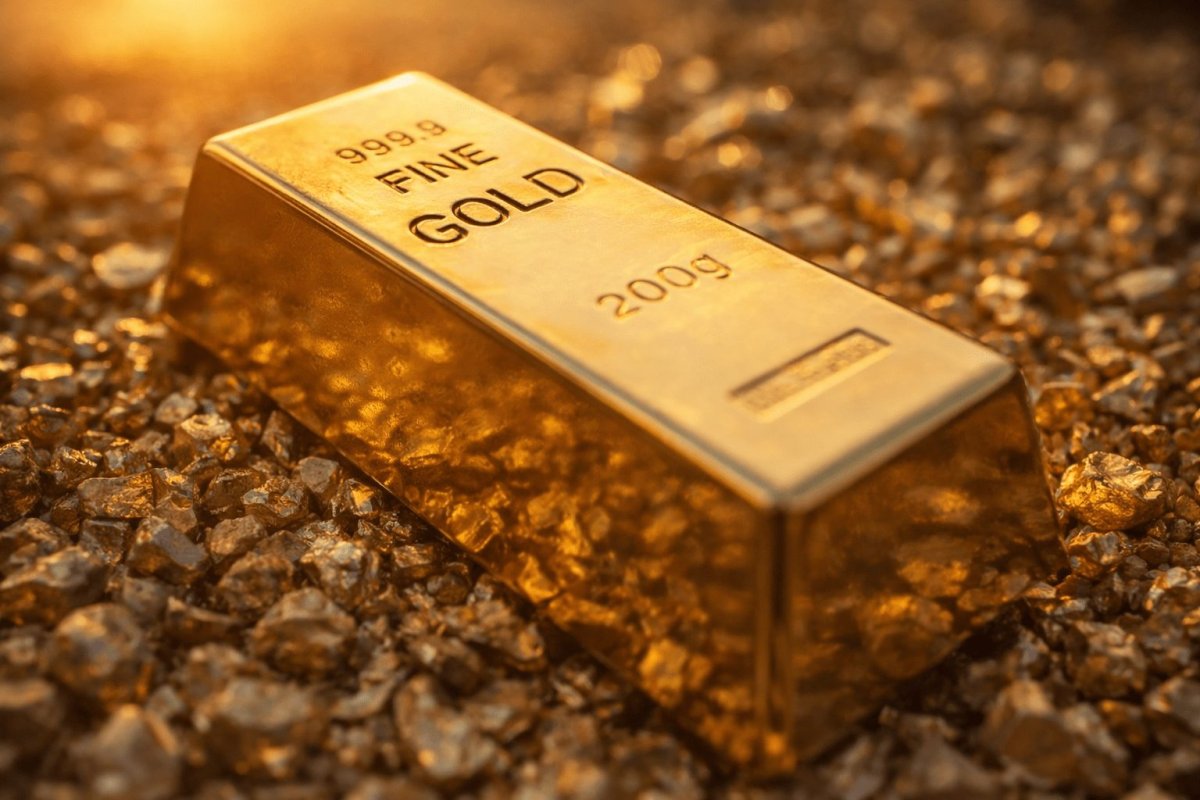
Gold prices staged a significant rebound on Wednesday, March 25, 2026, rising more than 2% from a recent four-month low. The rally was primarily driven by shifting geopolitical sentiment and its subsequent impact on inflation expectations and monetary policy.
Spot gold, the benchmark for immediate delivery, surged 2.4% to reach $4,582.18 per ounce by 11:41 GMT. The April futures contract for U.S. gold performed even more strongly, gaining 4.1% to settle at $4,581.60. The catalyst for the move was a sharp decline in crude oil prices, which fell over 5% following reports of potential diplomatic talks between the United States and Iran.
Market sentiment shifted after Reuters reported that Pakistan had relayed a 15-point U.S. proposal to Iran, with Turkey or Pakistan potentially hosting negotiations. Bloomberg added that Washington and regional intermediaries were exploring arrangements for high-level talks, possibly as soon as Thursday. These reports fueled hopes for a ceasefire, despite public denials from Tehran that any discussions were taking place. Iran's military dismissed the U.S. efforts, but the market reacted to the prospect of de-escalation.
The drop in oil prices had an immediate effect on interest rate expectations. Cheaper energy costs ease inflationary pressures, which in turn reduces the urgency for central banks to maintain tight monetary policy. According to data, traders now see only a 16% probability of a Federal Reserve rate hike by December 2026, down from 25% just a week prior. Fed Governor Michael Barr, however, cautioned that rates might remain at their current level for some time. "With crude oil having eased on ceasefire hopes, this has allowed the U.S. dollar to ease back, providing mild support for gold," noted Fawad Razaqzada, market analyst at City Index and FOREX.com.
This dynamic highlights a recent evolution in gold's role. The metal is no longer acting solely as a traditional hedge against geopolitical conflict. Its price action has become increasingly correlated with sentiment around oil, inflation, and interest rates. When crude prices rise, it can signal persistent inflation, prompting central banks to keep policy restrictive—a headwind for non-yielding assets like gold. The reversal of that scenario provided the lift for Wednesday's rally.
Other precious metals joined the advance. Silver gained 2.8%, platinum added 1.8%, and palladium was up 1.6%. Despite the day's strong performance, the broader context remains challenging for gold. The metal is still trading nearly 20% below its record peak of $5,594.82, reached on January 29, 2026. It also remains approximately 15% below its level from February 28, when the latest phase of Iran-related tensions began. "Gold should do well in a stagflationary environment," said John Reade, senior market strategist at the World Gold Council, while cautioning that forced selling can dominate in the immediate aftermath of a market shock.
Long-term bullish forecasts from major financial institutions remain intact. In January, Goldman Sachs raised its year-end 2026 price target for gold to $5,400 per ounce, citing consistent central bank purchases—averaging around 60 metric tons monthly—and diversification demand from private investors. UBS followed with a higher target of $5,900, while JPMorgan holds the most optimistic view, projecting gold to reach $6,300 by the end of 2026.
The sustainability of the rally is uncertain and hinges on the progress of diplomatic efforts. The Strait of Hormuz remains largely closed to most commercial shipping, a key risk factor. Analysts warn that the current move is fueled by headlines rather than concrete developments. Amelie Derambure of Amundi observed that traders are chasing "the idea that peace talks or a ceasefire could be on the way," which can fuel short-lived rallies. Without solid evidence of a diplomatic breakthrough, she noted, it is difficult to see the price gains holding firm if oil prices spike again or talks falter.