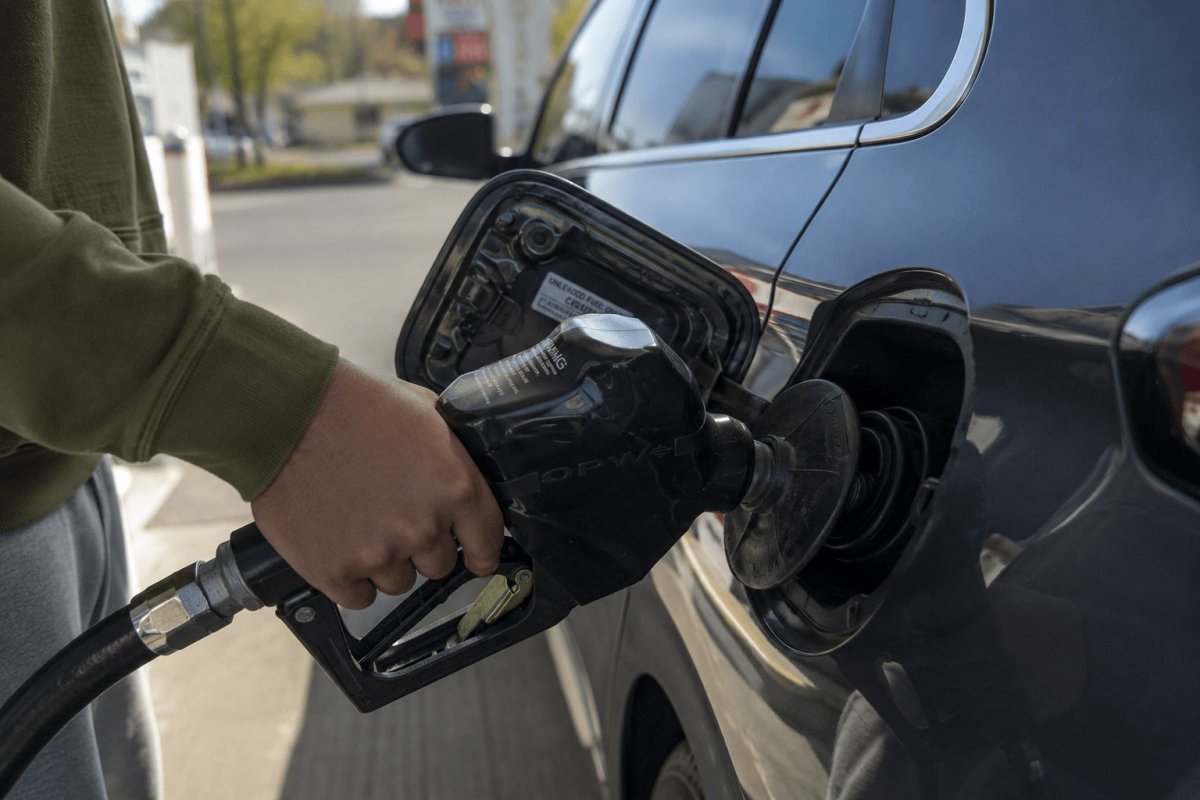
The Trump administration is considering a suspension of the federal gasoline tax as a potential quick fix to ease soaring fuel costs for American drivers, Energy Secretary Chris Wright confirmed on Sunday. Appearing on NBC's "Meet the Press," Wright stated that "all measures" to bring down pump prices are under review, highlighting the urgency of the situation as the national average for regular gasoline reached $4.522 per gallon, according to AAA data. This marks a sharp increase from $4.153 a month ago and $3.139 at the same time last year. Diesel prices are even higher at $5.647 per gallon.
A federal gas tax holiday would temporarily eliminate the 18.4-cents-per-gallon charge embedded in gasoline prices, a fee that has remained unchanged since 1993. For diesel, the tax is 24.4 cents per gallon, as reported by the Energy Information Administration. While these amounts represent only a fraction of the recent price surge—which has seen gasoline climb by over $1.50 since the onset of the Iran conflict—the relief could be noticeable for families managing weekly budgets.
Wright refrained from predicting a peak in prices, noting that gasoline and diesel have risen and "will remain up while this conflict is in place." He outlined other administration actions, including tapping the Strategic Petroleum Reserve, collaborating with allied nations, and easing summer fuel-blend requirements to boost domestic gasoline production. However, the core issue lies not in tax policy but in supply disruptions tied to the ongoing Iran war.
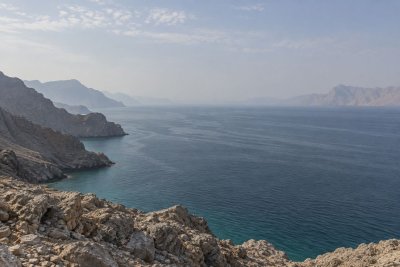
The Strait of Hormuz, a critical chokepoint for roughly one-fifth of global oil shipments, has experienced severe bottlenecks due to the conflict, as reported by the Associated Press. Rob Smith of S&P Global Energy pointed to sustained "upward pressure" on crude prices, while Bob Kleinberg from Columbia University's Center on Global Energy Policy dismissed any confusion over the link between crude and gasoline prices, calling it "not much of a mystery."
Speaking on CBS's "Face the Nation," Wright stated that the U.S. is actively blocking movement in and out of Iranian ports, while Iran continues to harass other vessels in the Gulf. If diplomatic talks fail to yield a deal within the next several days, Washington may consider military options to reopen the strait. Diplomatic efforts are ongoing, with Iran responding to a U.S. proposal through Pakistan; sources from both sides describe the current push as seeking a provisional memorandum to pause hostilities and allow passage through Hormuz, while larger issues like Iran's nuclear program are negotiated.
In Congress, the Gas Prices Relief Act, introduced in March by Senators Richard Blumenthal and Mark Kelly, proposes dropping the federal gasoline tax through October 1. The bill would require the Treasury to track whether the savings reach consumers and address any infrastructure funding gaps. However, the Bipartisan Policy Center estimates that a federal gas tax holiday would only reduce pump prices by 10 to 16 cents per gallon—a modest impact compared to the $1.50 climb drivers have experienced since the war began.
The financial implications are significant: the federal gas tax generates over $23 billion annually for highway and transit projects. A president cannot unilaterally suspend it; Congress must act. Some states have already moved independently—Georgia, for instance, slashed or suspended fuel taxes when prices jumped. Meanwhile, the White House has taken steps but has not fully committed to a federal holiday.
Ultimately, the most critical factors remain beyond Washington's tax policy: ensuring clear passage through the Strait of Hormuz and stabilizing crude prices. Until those supply-side issues are resolved, a gas tax holiday alone may offer limited relief to American drivers.