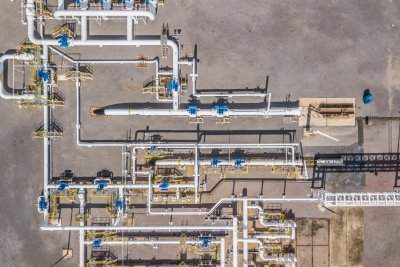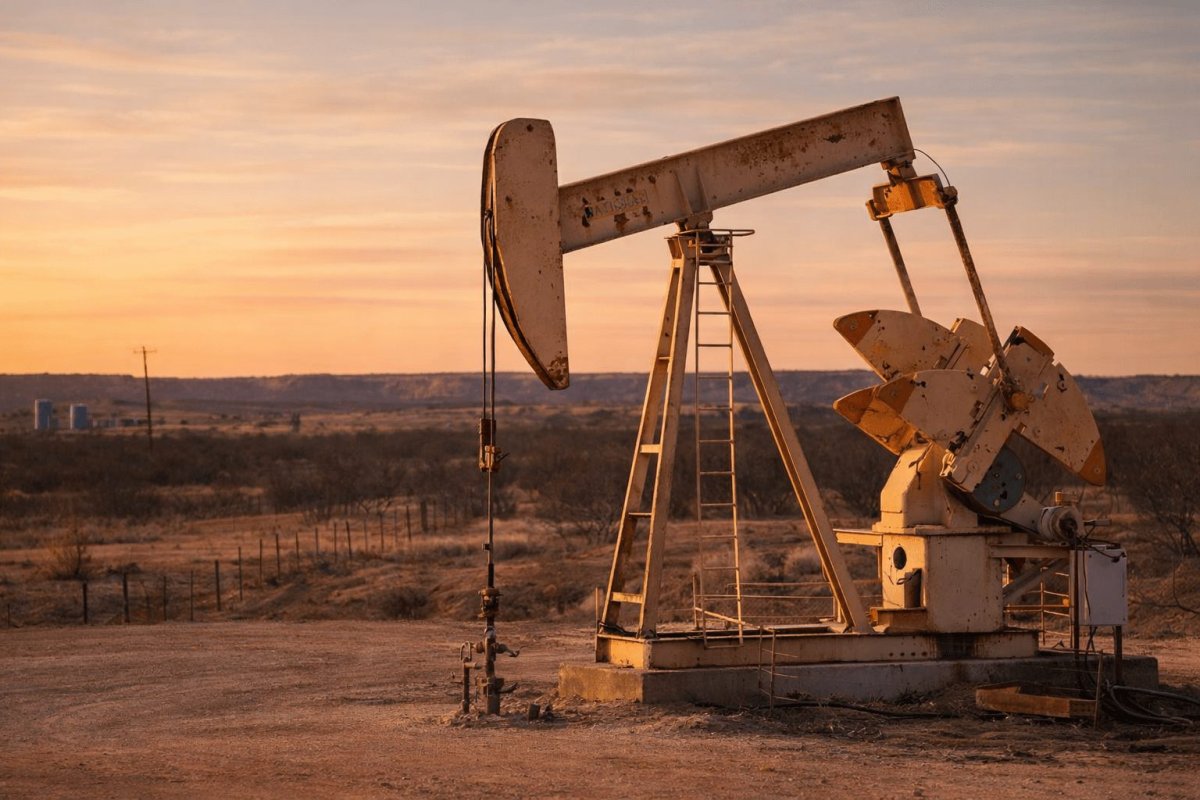
Global oil markets convulsed on Thursday, March 19, 2026, after a series of Iranian strikes targeted critical energy infrastructure throughout the Gulf region. The immediate reaction sent international benchmark Brent crude soaring above $119 per barrel in early trading, representing a sharp spike in geopolitical risk premium. However, prices subsequently retreated, with Brent trading at $108.46 by the early afternoon Central Daylight Time. The U.S. benchmark, West Texas Intermediate (WTI), followed a similar but less pronounced trajectory, reaching an intraday high of $100.02 before settling at $96.77.
Market Structure Shifts as Physical Damage Assessed
The nature of the risk has fundamentally altered, according to market analysts. Traders are no longer merely pricing in potential supply chokepoints near the Strait of Hormuz but are now forced to factor in direct attacks on liquefied natural gas (LNG) and refinery assets. Nick Kennedy, a strategist at Lloyds, characterized this development as a "clear escalation" that extends the market's time horizon. The resulting supply losses are not viewed as a temporary disruption but could persist for several months, creating sustained upward pressure.
The physical toll is becoming alarmingly clear. Saad al-Kaabi, the CEO of QatarEnergy, stated that the assaults have knocked out approximately 17% of Qatar's total LNG export capacity. He indicated repairs could take up to five years, noting that production cannot restart until hostilities cease. Major energy partners are affected, with Shell holding a stake in the damaged Pearl gas-to-liquids facility and ExxonMobil having interests in the impaired LNG trains.
Brent-WTI Spread Hits Decade High, Driving Arbitrage
A key market development has been the dramatic widening of the spread between Brent and WTI crude. The gap stretched to $12.05 per barrel on Wednesday, marking the widest margin since March 2015. This significant price differential has created a powerful arbitrage opportunity, incentivizing traders to purchase cheaper U.S. crude and ship it to higher-priced international markets. Georgios Sakellariou of Signal Maritime observed a notable increase in bookings for U.S. Gulf cargoes destined for late March and early April delivery.
This arbitrage flow is reshaping trade patterns. Asian refiners are reportedly moving U.S. crude on medium-sized tankers via the Panama Canal—a route that had become less common due to cost premiums. According to Matt Smith, an analyst at Kpler, buyers are currently "scrambling to get whatever barrels they can," prioritizing speed of delivery over absolute cost in a tightening market.
Broader Economic and Market Implications
The repercussions extend far beyond the crude oil market. The International Monetary Fund (IMF) has warned that a sustained 10% increase in energy prices could add roughly 0.4 percentage points to global inflation, simultaneously slowing economic growth. In response to the crisis, the International Energy Agency noted that its member states have initiated draws from strategic emergency petroleum reserves.
Major consuming nations are coordinating a response. Britain, France, Germany, Italy, the Netherlands, and Japan have signaled their willingness to collaborate to ensure the Strait of Hormuz remains open and to work with producers to stabilize markets. The attack's impact on LNG is particularly severe. Ryosuke Tsugaru, a senior executive at Japan's JERA, warned that if 90 million metric tons of Middle East LNG vanishes from the global market, spot prices and volatility will surge, forcing buyers to pivot to sources in North America.
Financial Markets and Future Scenarios
Equity markets felt the shockwaves, with broad indices retreating and bond yields edging higher. The S&P 500 energy sector was a rare outlier, managing to hold its ground. Investors are now grappling with how central banks might respond to an oil-driven inflationary spike. Michael Arone of State Street described policymakers as being in a "holding pattern," urgently incorporating the conflict's implications into their economic forecasts.
Analysts are divided on the path forward. Goldman Sachs maintains a base case where oil flows resume by April, with Brent sliding back into the $70s by the fourth quarter of 2026. However, the bank attached a significant caveat: if supply disruptions persist or the Strait of Hormuz becomes a sustained bottleneck, oil could remain above $100 per barrel and potentially test the record highs set in 2008. The market now waits to see whether the current price rally will quickly fade or gather further momentum as the situation develops.