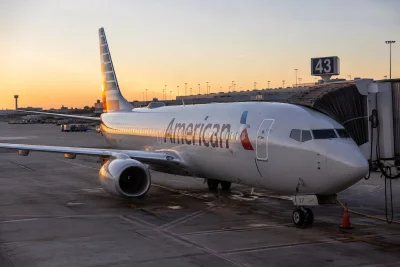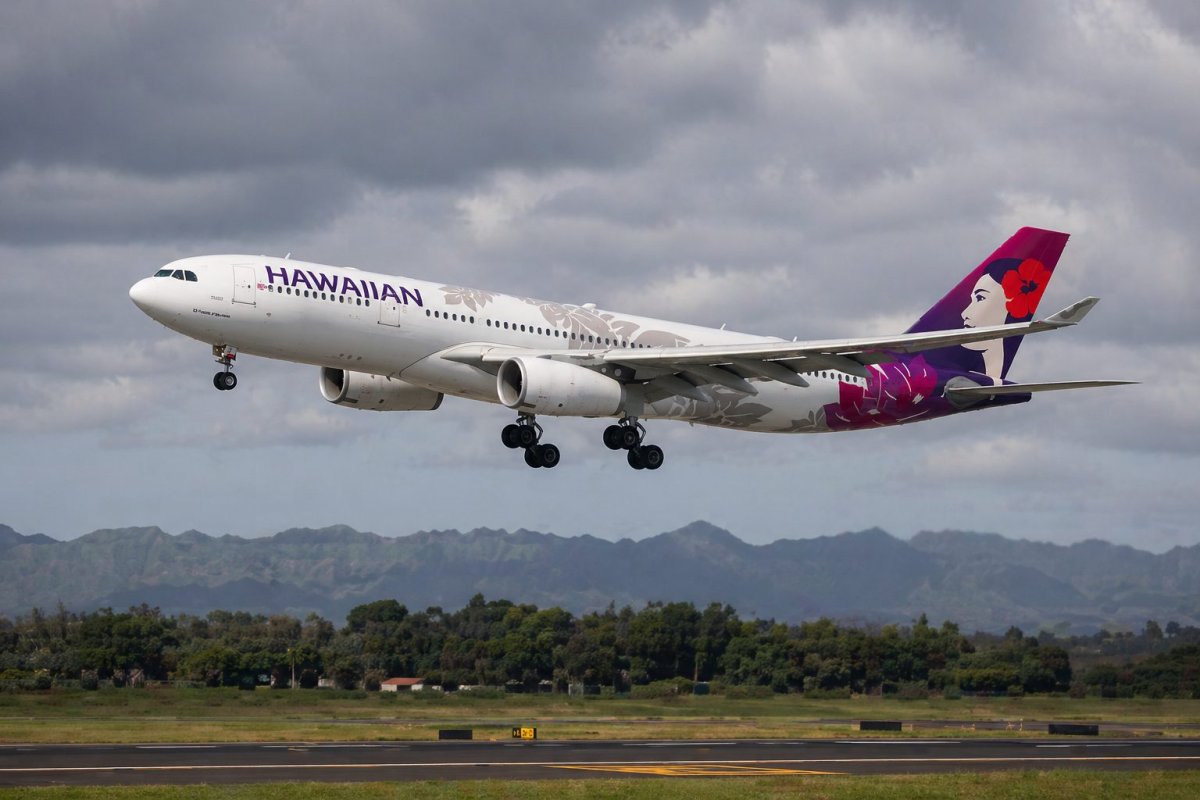
Hawaiian Airlines has officially become a member of the oneworld global airline alliance, marking a significant milestone in its integration with Alaska Air Group. The move positions Hawaiian as the third U.S. carrier in the alliance, alongside Alaska Airlines and American Airlines, and signals deeper operational convergence following Alaska Air Group's acquisition of Hawaiian Holdings in September 2024.
Code Shift and System Integration
The most visible change for passengers is the replacement of Hawaiian's historic HA flight code with Alaska's AS code on all new customer-facing flight numbers. This shift, driven by the migration to Alaska's Sabre passenger-service system, affects tickets, booking platforms, and mobile applications. Despite the code change, the Hawaiian brand and its iconic Pualani logo remain visible on digital platforms, airport signage, and at gates, according to Alaska Airlines. Flights will now be listed as "Operated by Alaska as Hawaiian Airlines."
Loyalty Enhancements and Global Reach
Members of Hawaiian's Atmos Rewards program now enjoy expanded benefits across oneworld's network of nearly 1,000 destinations and access to approximately 700 premium lounges worldwide. They can earn and redeem points on any alliance carrier, and oneworld elites from other airlines will have their status recognized when flying Hawaiian. The integration also allows travelers to use a single Alaska Hawaiian app for bookings, choosing between the Alaska or Hawaiian interface.
Ben Minicucci, CEO of Alaska Air Group, described the unified platform as a U.S. airline first, enabling multiple brands to operate under a single system while "removing friction." Hawaiian Airlines CEO Diana Birkett Rakow emphasized that oneworld membership delivers "global travel benefits" for Atmos Rewards members and Hawaii residents alike. Ole Orvér, CEO of oneworld, called the addition a boost to the alliance's "footprint in the Pacific region and the United States."
Strategic Implications for Hawaii and Beyond
Hawaiian Airlines operates roughly 230 flights daily and transported over 11 million passengers in 2025. The integration is a major development for Hawaii, providing travelers with seamless access to a global network. Alaska Air Group has committed to maintaining both the Alaska and Hawaiian brands, designating Honolulu as its second-largest hub and operating under the ALK ticker on the New York Stock Exchange.
Competition is intensifying. Reuters reported last week that American Airlines and Alaska have begun early discussions to expand their partnership into transatlantic and transpacific joint ventures, potentially involving British Airways, Iberia, Finnair, and Japan Airlines. These "metal-neutral" arrangements allow airlines to share revenue and coordinate pricing and schedules. Additionally, Alaska launched its inaugural nonstop flight from Seattle to Rome on Tuesday, touting the route as a new link for Hawaii-based travelers to reach Europe with a single stop in Seattle.
Regulatory and Operational Challenges
While the integration promises efficiencies, it also introduces potential confusion for passengers facing new flight numbers, shared lobbies, and mobile-only check-in processes. Any further expansion of the American-Alaska partnership would require approval from the U.S. Transportation Department, and the Justice Department may scrutinize it closely after a judge blocked American's Northeast Alliance with JetBlue in 2023.
Regulators attached conditions to the Alaska-Hawaiian merger, including safeguards for rewards value, essential Hawaii routes, rural connectivity, competitive options at Honolulu airport, family seating without extra fees, and compensation for controllable delays. The key question now is whether Alaska can deliver on these commitments as Hawaiian's branding becomes less prominent on booking platforms.