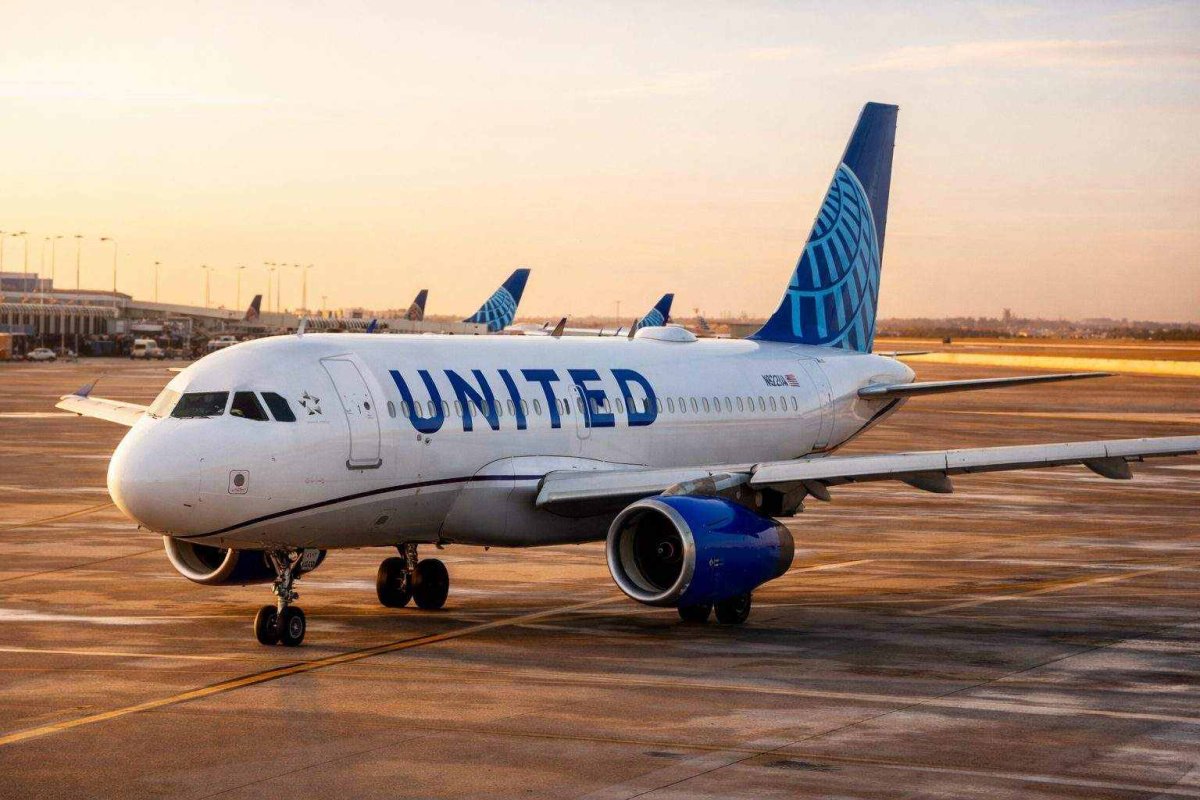
United Airlines Holdings, Inc. Chief Executive Scott Kirby skillfully avoided confirming any interest in acquiring rival American Airlines during a Wednesday briefing, keeping industry speculation alive just one day after former President Donald Trump publicly criticized the notion of such a combination. Kirby instead reiterated his focus on building "a truly global airline that all US citizens can be proud of," a statement that did little to quell merger rumors circulating since late February.
Fuel Costs Squeeze Outlook, Prompt Strategic Rethink
The timing of merger discussions coincides with significant operational pressure on airline margins. A spike in jet-fuel prices linked to Middle East tensions is forcing carriers to reassess growth plans. United itself trimmed its 2026 outlook on Tuesday, following similar moves by Delta Air Lines, which scaled back expansion, and Alaska Air Group, which dropped its full-year guidance entirely. According to Henry Harteveldt of Atmosphere Research Group, even a sustained ceasefire could require "a few months" for jet-fuel supply chains and logistics to stabilize, prolonging cost uncertainty.
Despite the challenging environment, United delivered a strong first-quarter financial performance. The airline reported revenue of $14.6 billion, with adjusted earnings reaching $1.19 per share. Key revenue streams showed robust growth: premium cabin sales increased 14%, corporate travel revenue climbed 14%, and loyalty program revenue rose 13%. However, the company issued a cautious second-quarter forecast, projecting adjusted earnings between $1 and $2 per share, and set a full-year outlook in the range of $7 to $11. United has already reduced its 2026 flying capacity plan by five percentage points. Kirby framed the situation as one where "moments of uncertainty can create opportunity for United."
Political and Regulatory Hurdles Loom Large
The potential merger faces substantial political and regulatory obstacles. Reports indicate Kirby pitched a United-American combination to Trump in late February, arguing a consolidated carrier could better compete internationally. However, Trump, in a recent CNBC interview, was unequivocal: "I don't like having them merge." He expressed more enthusiasm for a potential sale or federal assistance for bankrupt Spirit Airlines to protect approximately 14,000 jobs. Transportation Secretary Sean Duffy described Kirby's proposal as "interesting" but noted United's CEO must still demonstrate how such a deal would benefit consumers, a key hurdle for regulatory approval.
American Airlines has firmly rejected the overture. The company stated last Friday it has no interest in negotiations with United and argued a merger would be "negative for competition and for consumers." The competitive concerns are data-driven: a combined United-American entity would control roughly 40% of the U.S. domestic flying capacity. Significant route overlaps exist at major hubs like Chicago O'Hare and across Texas, which would likely draw intense antitrust scrutiny.
Market Context and Antitrust Precedent
The airline industry is navigating a period of fierce competition and margin pressure, with recent history offering a cautionary tale for large-scale mergers. JetBlue Airways' attempted $3.8 billion acquisition of Spirit Airlines was blocked by a judge this year over antitrust concerns, leading JetBlue to abandon the deal. Antitrust attorney Seth Bloom told Reuters that a United-American merger could grant the combined company greater influence over airfares.
For Kirby, the significant risk may be that the window for a deal never opens. There is currently no formal merger process, American remains opposed, and regulators emphasize the need to prove consumer benefits. Furthermore, the urgency for consolidation could diminish if fuel prices retreat. Conversely, if costs spike further, Washington's stance suggests a preference for stabilizing Spirit Airlines—via sale or bailout—over approving what would be the largest U.S. airline merger in over a decade.
Investor reaction reflected the mixed signals and softer guidance. United's stock declined nearly 3.4% in early trading following its revised outlook. In contrast, American Airlines' shares edged up 0.3% as traders assessed the low near-term probability of a complex, politically-charged merger coming to fruition.