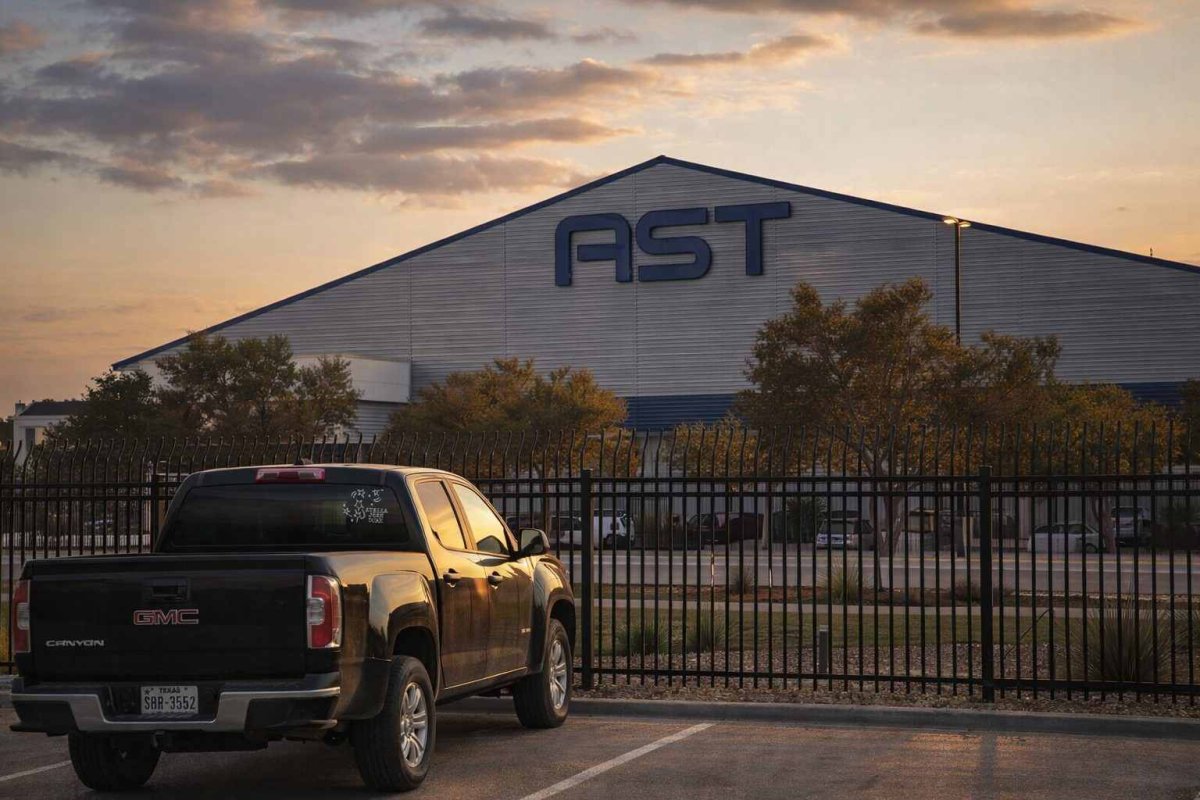
AST SpaceMobile Inc. is set to hold its first-quarter business update call on May 11, a session that arrives amid a stark contrast of regulatory triumph and operational adversity. The company recently secured Federal Communications Commission approval to deploy a 248-satellite constellation designed for direct-to-device connectivity, yet it also suffered the loss of its BlueBird 7 satellite during a failed launch.
Shares of AST SpaceMobile closed Tuesday at $71.88, down 6.8% from the prior session, with intraday trading ranging between $71.03 and $76.99. The market's reaction underscores the delicate balance between long-term regulatory wins and near-term execution risks.
The FCC's authorization allows AST to partner with AT&T, Verizon, and FirstNet to offer satellite-based cellular service using 700 MHz and 800 MHz low-band spectrum. CEO Abel Avellan described the approval as a step "closer to commercial service," emphasizing the company's focus on integrating with mobile operators and expanding its satellite fleet.
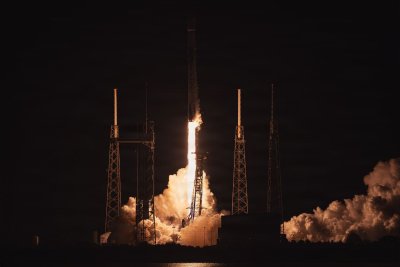
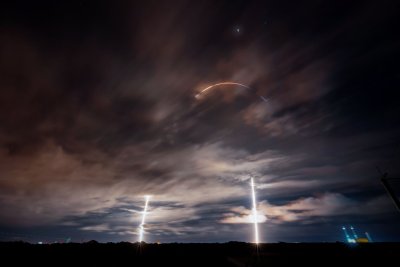
However, the loss of BlueBird 7 casts a shadow over those ambitions. The satellite successfully separated from Blue Origin's New Glenn rocket and powered up, but the upper stage failed to place it in a sustainable orbit. AST expects insurance to cover the financial loss and maintains its target of deploying approximately 45 satellites by the end of 2026.
BofA Securities analyst Michael Funk characterized the failed placement as a "negative shock" but noted that AST's core business fundamentals remain intact. Still, the investment bank flagged concerns about the company's ability to meet its revised satellite deployment schedule, according to a report from Investing.com.
The May 11 call now carries heightened significance. Investors will scrutinize launch cadence, satellite production timelines, insurance recovery details, cash burn rates, and any adjustments to the commercial service launch date. The BlueBird 7 setback raises questions about whether AST can maintain its projected rollout pace.
Competitive dynamics are intensifying. T-Mobile recently introduced a new business broadband offering that pairs its 5G network with Starlink satellite backup, advancing its partnership with SpaceX. Meanwhile, Amazon announced plans to acquire Globalstar, a move that would integrate direct-to-device capabilities into its low-Earth-orbit satellite initiative.
For AST, regulatory approval alone does not guarantee orbital presence. Delays in launches, slower-than-expected carrier integrations, or extended network deployment could keep the stock tethered to execution milestones rather than speculative market potential. At this juncture, the company holds a regulatory edge but faces a fresh operational hurdle. Management's May 11 presentation will be a critical test of which narrative prevails.