AST SpaceMobile encountered a significant technical setback this week when its BlueBird 7 satellite failed to achieve its intended orbital position following a Sunday launch from Cape Canaveral, Florida. The spacecraft, which successfully powered on after deployment, now occupies what company officials describe as an "off-nominal" trajectory—a development that casts doubt on AST's ambitious timeline for launching direct-to-device cellular broadband services by 2026.
The mission utilized Blue Origin's New Glenn rocket, which performed nominally during the April 19, 2026 launch. The vehicle's first-stage booster, previously flown on an earlier mission, successfully returned to Cape Canaveral as planned. However, the primary payload's orbital insertion did not proceed according to specifications, leaving the satellite in an unexpected position that may compromise its operational effectiveness.
Critical Component for Network Buildout
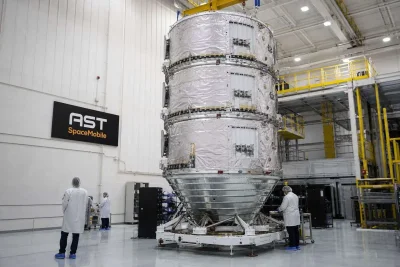
BlueBird 7 represents the second Block 2 satellite in AST SpaceMobile's next-generation constellation, designed specifically to deliver comprehensive 4G and 5G broadband connectivity directly to standard smartphones without requiring additional hardware. The spacecraft features an expansive antenna array measuring approximately 2,400 square feet, engineered to provide voice, data, and video services across large geographic areas.
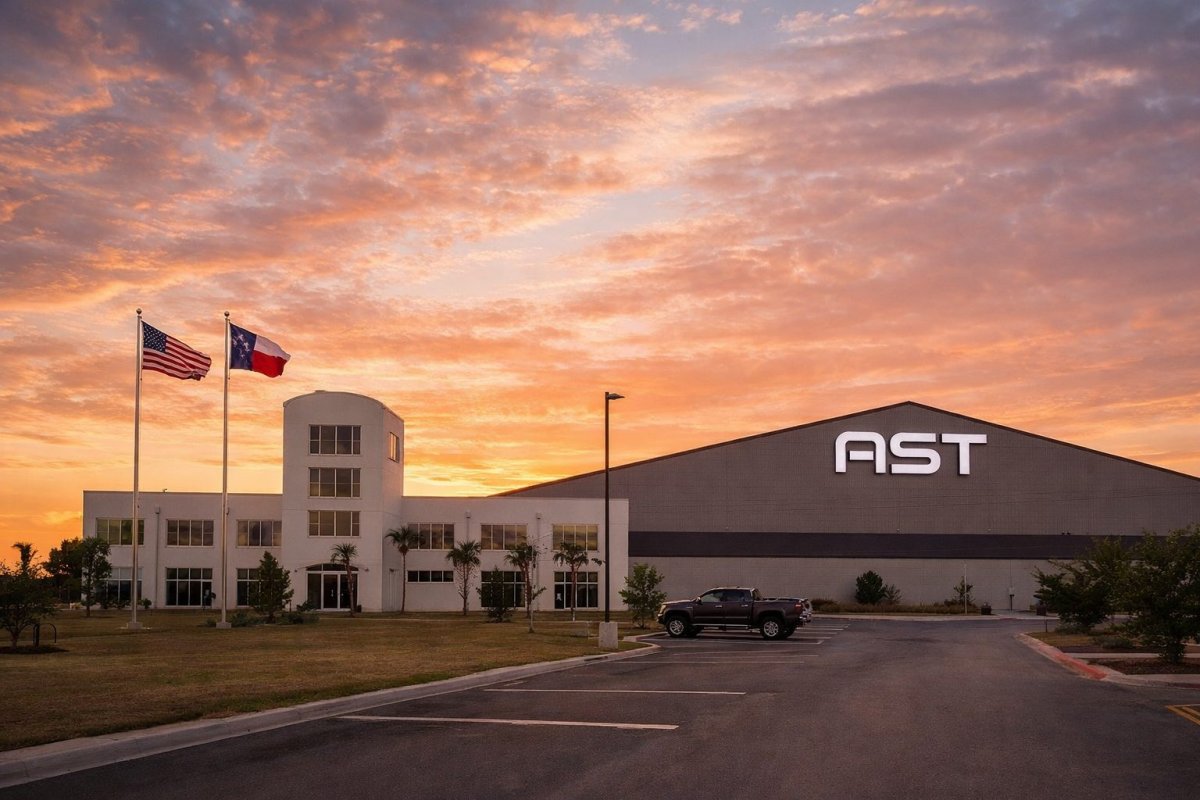
"Every launch brings us closer to fulfilling our mission," stated AST President Scott Wisniewski in pre-launch remarks, characterizing the satellite as the culmination of years of development work at the company's Texas facilities. The anomaly now threatens to disrupt the carefully orchestrated deployment schedule that Chairman and CEO Abel Avellan outlined to investors just last month.
Timeline and Financial Implications
During March investor communications, Avellan confirmed AST remained on track to place 45 to 60 satellites in orbit by year-end 2026, with launches scheduled approximately every four to eight weeks. The company anticipated commencing broader commercial services as the network achieved critical scale throughout 2026, supported by more than $1.2 billion in contracted revenue commitments already secured from telecommunications partners.
The orbital anomaly introduces uncertainty into this timeline, potentially delaying service activation and testing milestones. Without achieving proper orbital positioning, BlueBird 7 may not contribute meaningfully to the constellation's capabilities, forcing AST to adjust its launch cadence or operational planning to maintain progress toward its 2026 objectives.
Broader Market Context and Competition
AST SpaceMobile operates in an increasingly competitive satellite communications sector where multiple players are racing to establish direct-to-device connectivity services. SpaceX's Starlink network already operates at substantial scale, while Amazon recently signaled intensified interest in satellite-to-phone services through its $11.6 billion acquisition of Globalstar last week.
According to Gregory Radisic of Bond University, Amazon faces significant deployment challenges despite its financial resources. "Unless it cracks the code on rapid deployment and launch logistics, there's a structural gap," Radisic noted, highlighting the operational complexities inherent in satellite network construction.
Meanwhile, Blue Origin had substantial stakes in Sunday's mission beyond its contractual obligations to AST. Space industry analyst Micah Walter-Range of Caelus Partners observed before launch that a successful New Glenn mission would break SpaceX's "nine-year monopoly on orbital launch vehicle reusability," positioning New Glenn as the first credible challenger to SpaceX's Falcon 9 in the reusable launch market.
Partnership Developments and European Demos
Despite the technical setback, AST continues advancing commercial partnerships. Last month, European telecommunications giant Orange announced plans to collaborate with AST and Vodafone's Satellite Connect Europe initiative to develop direct-to-cell offerings. The consortium plans demonstration projects in Romania scheduled for late 2026, part of broader efforts to secure mobile operator agreements ahead of full-scale service deployment.
These partnership developments highlight the growing industry interest in satellite-cellular convergence, even as technical challenges persist. The Romanian demonstrations represent a critical market validation opportunity that could influence adoption decisions across Europe and other regions.
The mixed outcome of Sunday's launch—successful rocket performance but problematic satellite deployment—leaves AST SpaceMobile at a crossroads. While the company successfully placed another satellite in space, the orbital anomaly raises fundamental questions about BlueBird 7's operational utility and the potential impact on AST's aggressive 2026 rollout schedule. Investors, carrier partners, and industry competitors will closely monitor the company's next steps as it assesses the situation and determines necessary adjustments to its deployment strategy.