Efforts by the United States and its allies to calm turbulent oil markets are being stymied by persistent security threats in a critical Middle Eastern waterway, leading to extreme price volatility and broader economic concerns. Despite the launch of the largest coordinated emergency petroleum reserve release in history, physical bottlenecks at the Strait of Hormuz continue to dictate market sentiment, keeping global supplies tight and prices elevated.
Market Swings on War Rhetoric and Reality
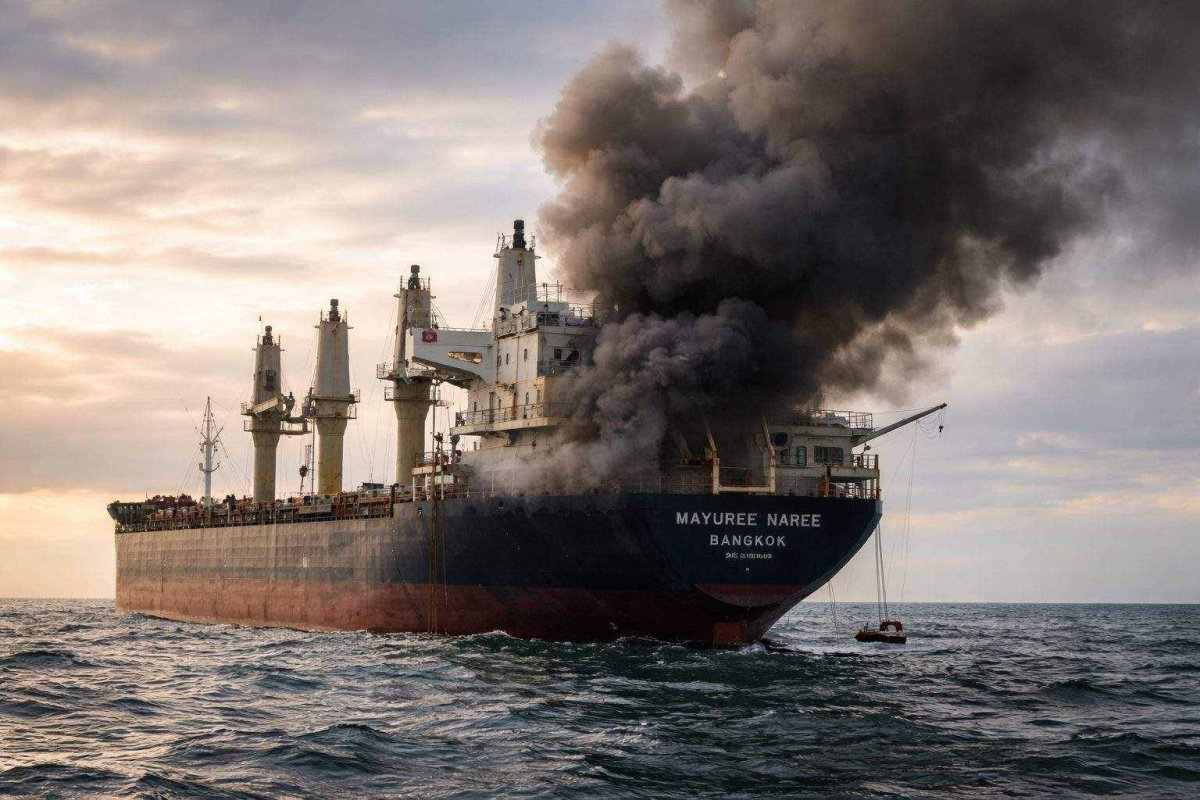
Oil markets experienced a whipsaw session this week, reacting sharply to political statements before refocusing on ground realities. On March 10, Brent crude futures plunged 11%, closing at $87.80 per barrel, following suggestions from former President Donald Trump that the military conflict with Iran could conclude swiftly. However, the relief proved short-lived. By 1235 GMT on Thursday, March 12, Brent had surged back to $98.45 a barrel as Iran intensified attacks on commercial tankers and energy infrastructure in the Gulf region.
The Physical Bottleneck: Strait of Hormuz
The core issue remains a severe disruption to maritime traffic. The International Energy Agency (IEA) reported that less than 10% of the pre-war volume of oil is currently transiting the Strait of Hormuz. This narrow chokepoint, which in 2025 carried approximately 20 million barrels per day of crude and refined products, accounts for about a quarter of all seaborne oil traded globally. The IEA emphasized that the current crisis represents the largest oil-supply disruption global markets have witnessed, creating a physical shortage that strategic reserves alone cannot quickly remedy.
In response, the IEA announced on March 11 that all 32 member nations would tap emergency stockpiles, unlocking a combined 400 million barrels—the agency's most significant coordinated action ever. The United States plans to contribute 172 million barrels from its Strategic Petroleum Reserve over the next 120 days, with shipments commencing next week. IEA Executive Director Fatih Birol stated the release was having a "strong impact" on market psychology, yet Brent still jumped 7% on the day of the announcement amid fresh tanker attacks.
Limited Tools and Economic Fallout
The White House has explored a range of contingency measures. Energy Secretary Chris Wright outlined potential options including the reserve release and providing flexibility for Russian oil cargoes stranded offshore. However, he confirmed on Thursday that U.S. Navy escorts for commercial tankers through the strait were not yet operational, though that posture could change before the end of the month. Analysts remain skeptical of the efficacy of policy tools absent a secure shipping lane. JPMorgan analysts noted that such steps are largely moot unless vessels can safely navigate the Strait of Hormuz again.
The oil shock is now transmitting through the broader economy. U.S. gasoline prices averaged $3.54 per gallon on Tuesday, representing a roughly 19% increase since the conflict began—a sensitive political issue in an election year. Equity markets also felt pressure, with the Dow Jones Industrial Average and S&P 500 both closing lower on Wednesday despite softer-than-expected inflation data, indicating investor concern over growth prospects.
Analyst Outlook: A Temporary Fix
Market observers warn that the emergency stockpile release only buys limited time. Analysts at Energy Aspects calculated that the 400 million barrels would cover just 25 days of supply at the current pace of disruption. Goldman Sachs flagged the risk that Brent could average $110 per barrel in March and April if Hormuz shipments remain heavily restricted for a month. The bank further cautioned that if constrained flows persist through March, daily prices could challenge the record highs set in 2008.
The path to normalization is expected to be protracted even if hostilities cease. Simon Flowers, Chief Analyst at Wood Mackenzie, warned that restarting shuttered wells and repairing disrupted supply networks "won't be swift." Industry executives are already looking beyond the immediate crisis. Andy Hendricks, CEO of Patterson-UTI, questioned the "true price of oil" six to nine months from now as drillers assess whether the current price rally has staying power.
While Trump noted that rising oil prices can boost profits for U.S. energy producers, he reiterated that Iran remains the primary focus. For oil traders, however, the calculus continues to revolve around the Strait of Hormuz. Until ships can pass through the waterway without threat of attack, every policy intervention will be viewed as a temporary and incomplete solution to a deep structural supply problem.