Market Opens Higher on Trade Deal Hopes and Domestic Support
Indian equity benchmarks commenced Wednesday's trading session on a firm footing, with the Nifty50 index advancing 0.19% to reach 25,983.75 in early trade. The index is now within striking distance of the psychologically significant 26,000 level, a milestone that market participants are closely monitoring. Simultaneously, the BSE Sensex opened with notable strength, gaining over 100 points to start at 84,403.92. This positive opening was primarily fueled by renewed optimism surrounding a potential comprehensive trade agreement between India and the United States, which investors believe could significantly boost bilateral economic activity and corporate earnings prospects for the fiscal year 2027.
The upbeat sentiment was further reinforced by a discernible shift in the behavior of foreign institutional investors (FIIs). After a prolonged period of sustained selling pressure, data indicates that FIIs have turned net buyers in five out of the last six trading sessions. This pause in foreign capital outflow, coupled with the relative stability of the Indian rupee against major global currencies, has provided a much-needed cushion to the domestic markets. Analysts suggest that this change in FII stance may be attributed to attractive valuations and improving macroeconomic fundamentals.
Domestic Institutions Provide Substantial Backing
Adding significant heft to the market's upward move were substantial net purchases by domestic institutional investors (DIIs). These institutions, including mutual funds and insurance companies, have been actively accumulating shares, demonstrating strong domestic conviction that has effectively counterbalanced previous foreign selling. This robust domestic buying interest underscores the depth of local capital and confidence in the long-term growth narrative of the Indian economy, independent of global fund flows.
Broader market participation was also evident, with several mid-cap and small-cap stocks showing strength, suggesting that the rally was not confined solely to heavyweight index constituents. Market experts characterize the current trend as a mild but sustained upward trajectory, supported by a confluence of positive factors including the trade deal optimism, stable currency, and supportive institutional activity. The overall market breadth was positive, indicating healthy participation across sectors.
Mixed Signals from U.S. Markets Ahead of Key Data
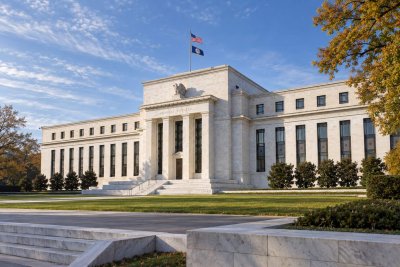
While Indian markets rallied, U.S. equity indices presented a mixed picture in overnight trading. Investors on Wall Street adopted a cautious stance ahead of the release of critical U.S. employment data. The performance was uneven across major indices, with technology and growth stocks showing divergence from industrial and value segments. This hesitation reflects the market's ongoing assessment of the Federal Reserve's future monetary policy path.
Adding to the complex backdrop were weaker-than-expected U.S. retail sales figures. The soft consumer spending data has reignited speculation among traders and economists that the Federal Reserve may consider implementing interest rate cuts sooner than previously anticipated to stimulate economic activity. This dynamic creates a nuanced environment for global risk assets, where signs of economic slowing could prompt more accommodative central bank policies, potentially benefiting equities in the medium term.
The interplay between slowing economic indicators and central bank policy expectations is likely to dominate global market sentiment in the coming weeks. For Indian markets, the combination of strong domestic institutional support, a favorable shift in foreign investor sentiment, and positive developments on the trade front appears to have created a supportive near-term environment, allowing local indices to decouple partially from the mixed global cues and focus on internal catalysts.
Market participants will continue to monitor the progress of the India-U.S. trade negotiations closely, as any formal announcement could serve as a major catalyst for further gains. Simultaneously, the actions of the Federal Reserve, dictated by incoming U.S. economic data, will remain a key driver for global liquidity and risk appetite, influencing foreign portfolio flows into emerging markets like India. The resilience shown by domestic institutions, however, provides a strong foundational support for the market at current levels.