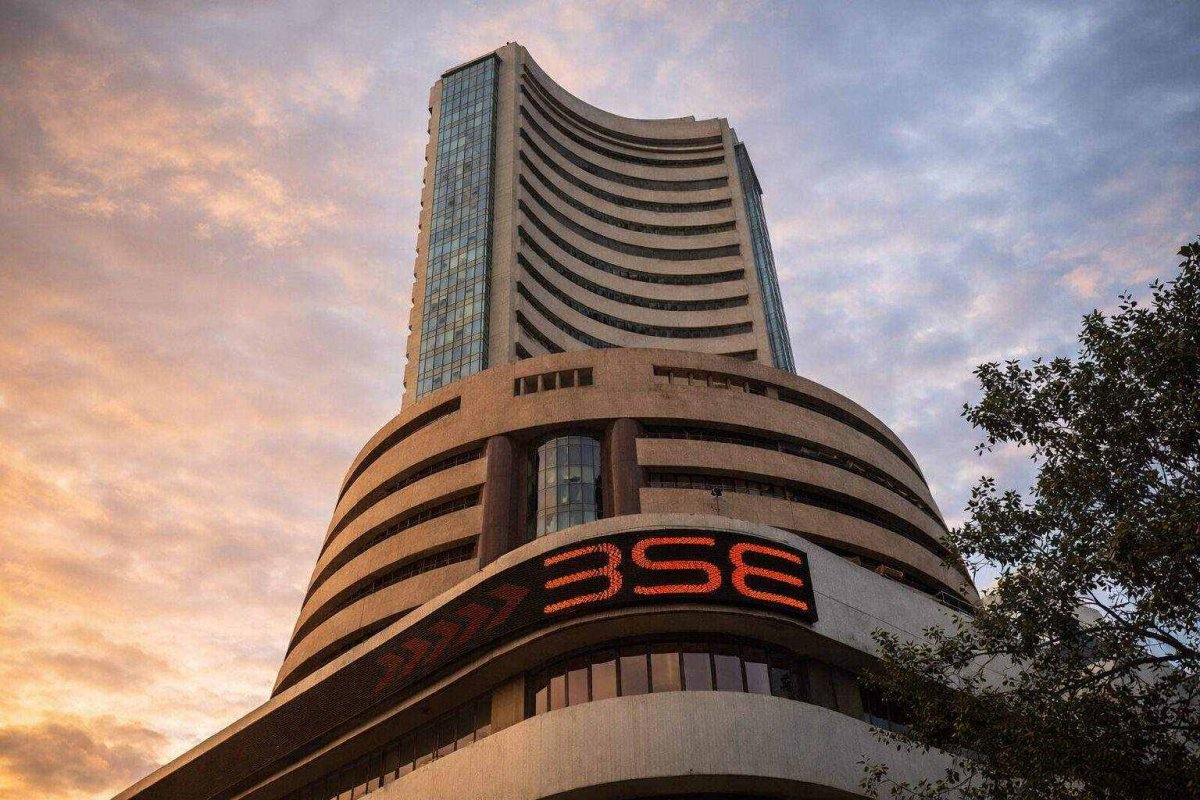
Indian equity benchmarks concluded a turbulent February with sharp declines on the final trading day, setting a cautious tone for March. The BSE Sensex dropped 1.17% to close at 81,287.19, while the NSE Nifty 50 fell 1.25% to 25,178.65. For the month, the Sensex retreated 1.2% and the Nifty declined 0.6%, with sectoral performance wildly divergent.
IT Sector Carnage on AI Anxiety
The most striking feature of the month was the severe underperformance of the technology sector. The Nifty IT index plummeted 19.5% in February, marking its worst monthly performance since 2008. The selloff was driven by intensifying investor concerns that the rapid adoption of artificial intelligence could materially erode the profitability and margin outlook for Indian IT services companies. "A cloud of uncertainty now hangs over the traditional business models of these firms due to AI," noted Saurabh Jain, assistant vice president of retail equities at SMC Global. Given the heavy weighting of IT stocks in major indices, continued weakness in the sector threatens to offset gains from other areas of the market.
Revised GDP Data Provides Macro Backdrop
On the economic front, India released its first gross domestic product figures under a newly overhauled data series, which has a base year of 2022-23 and incorporates methodological tweaks. Growth for the October-December quarter came in at 7.8%, moderating from the previous quarter's 8.4% expansion. However, the National Statistics Office raised its growth forecast for the fiscal year ending March 31 to 7.6%, up from the 7.4% estimated under the old series. "The revision highlights a strong lift from the services sector, alongside double-digit growth in manufacturing," commented Radhika Rao, an economist at DBS Bank.
Inflation Concerns and Sectoral Updates
A fresh risk emerged as the India Meteorological Department warned of above-normal temperatures and an increased number of heatwave days from March through May 2026. This weather outlook poses a threat to winter crops like wheat and oilseeds, potentially stoking food-price inflation just as market participants refocus on interest rate trajectories.
Automobile shares will be in focus following the release of monthly sales data. Hyundai Motor India reported a 12.6% year-on-year increase in February sales to 66,134 units, with exports surging 24.8%. Maruti Suzuki's total sales climbed 7.31% to 213,995 units, powered by a 56.48% jump in exports. Mahindra & Mahindra posted an 18% rise in total auto sales for February, reaching 97,177 vehicles, with domestic SUV sales growing 19%.
Market Structure and Technical Outlook
Trading activity will be condensed into a four-day week, with markets closed on Tuesday for the Holi festival. This compressed schedule coincides with a packed global data calendar, including key U.S. PMI readings and the February non-farm payrolls report due Friday. The Nifty ended the week 1.54% lower, moving in a range between 25,771 and 25,141. The India VIX volatility index declined 4.6% to 13.70. Technical analyst Milan Vaishnav identified the 25,000–24,950 zone as crucial support, with resistance likely between 25,350 and 25,550. He also cautioned that the Holi holiday could amplify price swings.
Primary Market Activity and Risks Ahead
Primary market activity remains undeterred by the cash market holiday. Sedemac Mechatronics is set to launch its 10.87 billion rupee initial public offering from March 4 to March 6. Furthermore, nine companies are slated to list on mainboard and SME platforms in the near term. Looking ahead, the market faces a two-sided risk profile. A further sharp decline in the IT sector could drag benchmarks into a prolonged consolidation phase. Simultaneously, unseasonably warm weather threatens to revive food inflation worries, complicating the monetary policy landscape for traders.
With Tuesday's market closure, domestic traders will be closely monitoring international cues. The upcoming U.S. employment data on Friday is expected to be a key determinant of global risk sentiment before activity resumes on Dalal Street. The confluence of domestic sectoral stress, revised economic data, and external dependencies sets the stage for a volatile period in Indian equities.