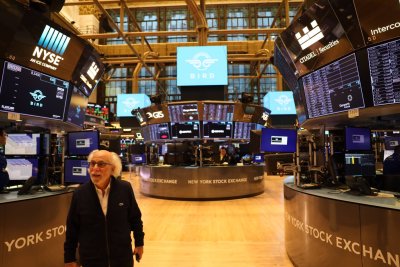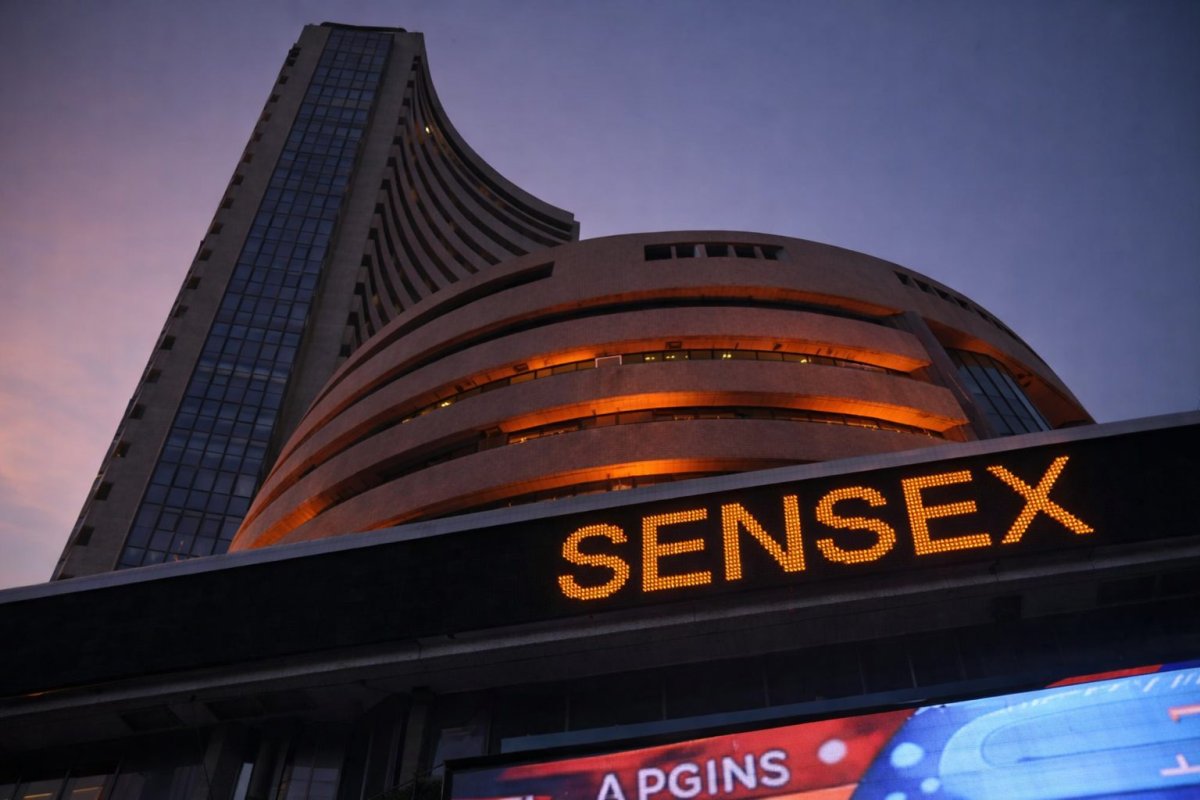
Indian stock markets erupted in a powerful relief rally on Wednesday, April 8, 2026, recording their most significant single-day advance in half a decade. The benchmark BSE Sensex catapulted 2,946.32 points, or approximately 3.9%, to close at 77,562.90. The broader Nifty 50 index surged nearly 2,000 points, finishing just shy of the psychologically important 24,000 level at 23,997.35.
Geopolitical Thaw Fuels Risk-On Sentiment
The dramatic upswing was primarily ignited by a diplomatic breakthrough between the United States and Iran. Just hours before a critical deadline, U.S. President Donald Trump called for a pause, and Iran agreed to a temporary ceasefire and guaranteed safe passage through the Strait of Hormuz. This key maritime chokepoint handles roughly one-fifth of global seaborne oil shipments, and its potential reopening sent shockwaves through commodity markets.
Brent crude futures, the international oil benchmark, collapsed by 14.4% to settle at $93.49 per barrel. U.S. West Texas Intermediate crude fell even more sharply, dropping 16.7% to $94.05. For India, which imports about 90% of its oil needs, this price plunge offered immediate respite. The Indian rupee strengthened by 0.5% to 92.58 against the U.S. dollar, extending its winning streak to a fourth consecutive session.
RBI Adopts a Cautious Stance
Adding to the positive momentum, the Reserve Bank of India's Monetary Policy Committee unanimously voted to keep the key repo rate unchanged at 5.25%, maintaining its neutral policy stance. Governor Sanjay Malhotra emphasized a "wait and watch" approach, citing persistent risks from elevated global oil and gas prices that could stoke inflation and dampen economic growth.
The central bank revised its growth projection for the 2026-27 fiscal year downward to 6.9%, from 7.6% in the prior year. It forecasts consumer price inflation at 4.6%, with core inflation—which excludes volatile food and energy prices—estimated at 4.4%. Analysts described the policy environment as a delicate balancing act, with the growth outlook subject to revision if energy market stability is not achieved within the next three to six months.
Broad-Based Buying Freny
Market participation was exceptionally wide, with all 16 major sectoral indices closing in positive territory. Financial stocks, a heavyweight on the indices, advanced 5.5%. Automobile and realty shares were among the top performers, each gaining approximately 6.8%. The rally extended to smaller companies, with the small-cap and mid-cap indexes jumping over 4%.
Individual stocks with significant exposure to the Middle East, such as engineering conglomerate Larsen & Toubro, soared 7.6%. InterGlobe Aviation, the parent of IndiGo airlines, rallied 8.1% as it recovered from recent travel disruptions caused by the conflict. The buoyant mood was not confined to India; Asian markets joined the oil-driven relief rally, with Japan's Nikkei surging over 5% and South Korea's Kospi jumping more than 6%.
Analysts Urge Caution Amid Celebration
While the day's gains were substantial, market observers warned that the rebound remains fragile. Dhananjay Sinha of Systematix Group noted that while immediate anxiety has eased, the sustainability of the rally hinges entirely on subsequent geopolitical developments. The logistics of reopening the Strait of Hormuz are complex; over 1,000 vessels were affected by the blockade, and industry estimates suggest a return to normal traffic patterns could take more than two weeks even under optimal conditions.
The RBI pledged to maintain adequate system liquidity to ensure overnight rates remain aligned with the policy rate, a move analysts say should soothe near-term nerves. However, HDFC Bank projected that while the rupee could trade in the 92-93 range in the near term, it may depreciate toward 94-96 by the end of the 2026-27 fiscal year. The overarching consensus is that markets have gained crucial breathing room, but are not yet out of the woods. A renewed spike in crude prices or a breakdown in negotiations could swiftly erase the day's historic gains.