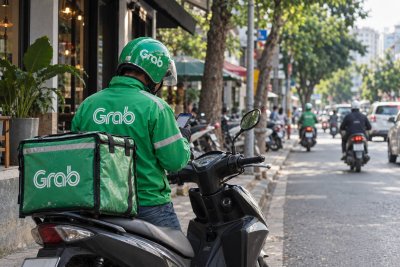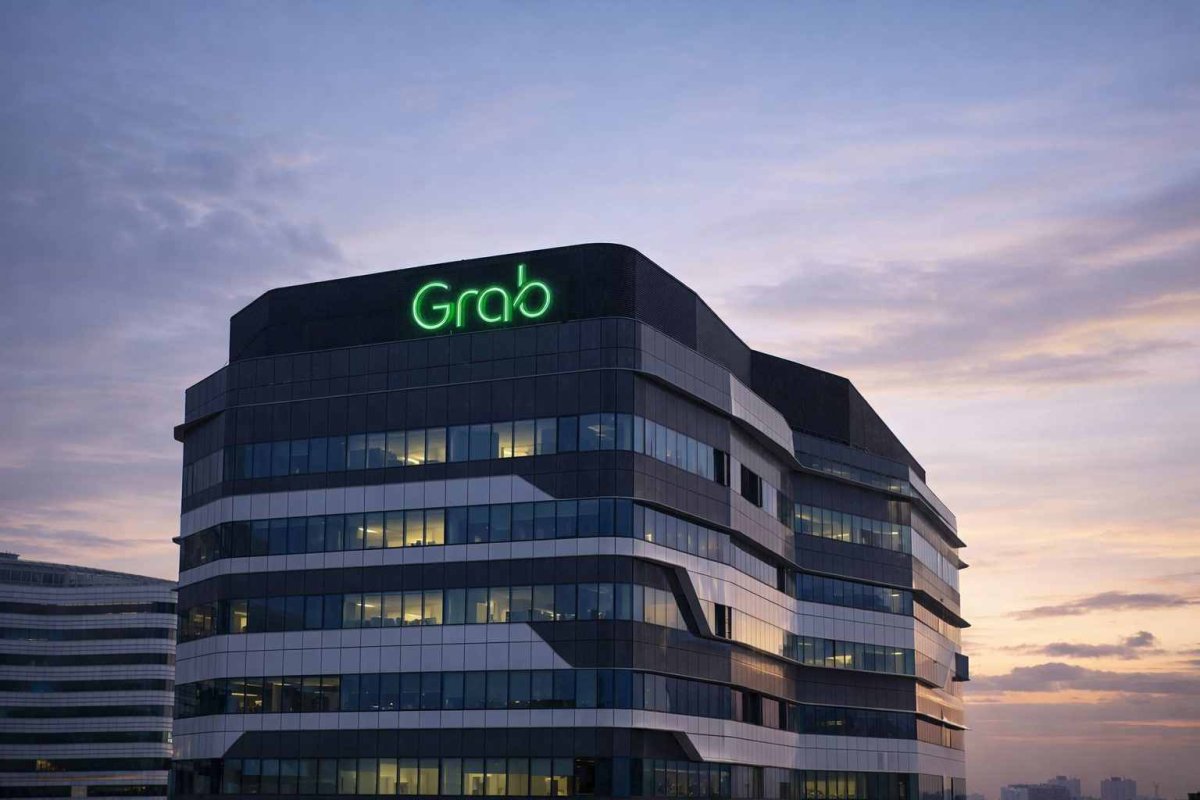
Indonesia has implemented a significant regulatory change that will reshape the ride-hailing landscape, reducing the maximum commission platforms can charge drivers from 20% to just 8%. The move, announced by President Prabowo Subianto on May 1, directly impacts major players Grab Holdings Limited and GoTo Group's Gojek.
New Rules and Immediate Impact
The presidential regulation mandates that drivers receive at least 92% of each fare, up from the previous 80% floor. Additionally, platforms are now required to provide accident and health insurance coverage for drivers. Both Grab and GoTo have stated they are reviewing the new rules and will comply, though the timing and scope of implementation remain unclear.
In response to the news, Grab shares declined 3.9% to $3.67 on trading volume approaching 99.8 million shares. The stock has been under pressure as investors assess the potential impact on the company's profitability, particularly given that Indonesia represents 17% to 19% of Grab's Mobility Gross Merchandise Value (GMV) and contributes approximately 20% of its total EBITDA.
Earnings Call Under the Spotlight
The timing of the announcement is particularly challenging for Grab, which is set to release its unaudited first-quarter 2026 results after U.S. markets close on May 4. The earnings call, scheduled for 8 a.m. Singapore time on May 5, is expected to focus heavily on how the company plans to navigate this regulatory shift. Analysts will be scrutinizing management's commentary on margin implications, pricing strategies, and driver incentive adjustments.
Morgan Stanley has maintained its Overweight rating and $6.40 price target for Grab following the news, but noted several uncertainties remain. Key questions include when the cap will take effect, whether it applies to four-wheel vehicles, and how platforms might adjust pricing or incentives to offset the lost commission revenue. Raising fares could dampen demand, while absorbing the cost would squeeze margins.
Competitive Landscape and Financial Context
The regulatory change comes at a pivotal moment for GoTo, which recently achieved its first quarterly net profit since the merger of Gojek and Tokopedia in 2021. The company reported a 26% year-on-year increase in first-quarter net revenue to 5.3 trillion rupiah, driven by cost controls and revenue growth. CEO Hans Patuwo said GoTo remains in dialogue with the government to ensure sustainable support for both drivers and customers.
Grab, which brands itself as a Southeast Asian superapp offering ride-hailing, food delivery, groceries, payments, lending, and insurance across over 900 cities in eight countries, has been focusing on affordability to attract price-sensitive customers. In February, CFO Peter Oey told Reuters the company intends to "make our rides affordable" and highlighted a strategic shift toward groceries, where growth is outpacing food delivery.
Outlook and Key Questions
For 2025, Grab reported revenue of $3.37 billion (up 20%), net profit of $200 million, and adjusted EBITDA of $500 million. The company's 2026 guidance calls for revenue between $4.04 billion and $4.10 billion and adjusted EBITDA in the range of $700 million to $720 million. Investors are now questioning whether these targets remain achievable given the new regulatory headwinds.
The upcoming earnings call is expected to address three critical issues: the speed of enforcement of the commission cap, Grab's ability to raise fares without losing riders, and the viability of the company's 2026 profit goals. As the market digests the implications, all eyes will be on how management navigates this fundamental shift in Indonesia's ride-hailing economics.