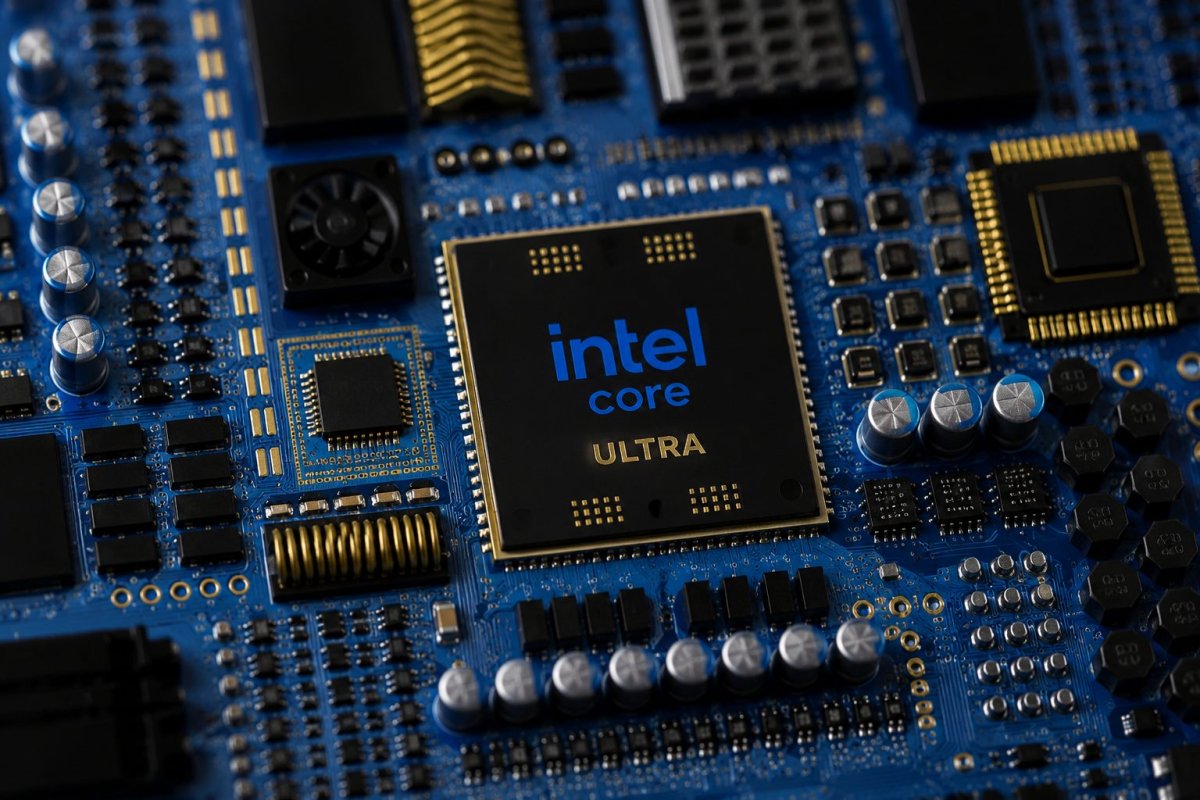
Intel Corporation's stock soared 14.1% on Friday, reaching a new all-time high, after a Wall Street Journal report indicated that Apple Inc. and Intel have reached a preliminary agreement for Intel to manufacture certain chips for Apple devices. This development marks a significant step in Intel's efforts to revitalize its contract manufacturing business, which has been under pressure from competitors like Taiwan Semiconductor Manufacturing Co. (TSMC).
According to Reuters, the two companies have been in discussions for over a year, with a formal agreement finalized in recent months. The exact details of which Apple products will utilize Intel-made chips remain unclear, but the news has fueled investor optimism. Apple shares also rose 1.7% to $292.32, reflecting market confidence in the potential benefits of diversifying its supply chain.
The timing of the deal is critical, as Apple has been aggressively seeking to secure additional capacity in the advanced processor sector, which powers its iPhones, iPads, and Macs. Earlier this week, Reuters reported that Apple had entered preliminary talks with both Intel and Samsung to explore producing its main device processors in the United States. This move would provide Apple with an alternative to TSMC, its primary manufacturing partner, and reduce reliance on a single supplier amid global chip shortages and geopolitical tensions.
Intel's stock surge places it on track for its fourth consecutive intraday record, driven by speculation that Apple could become a major foundry customer. A foundry handles the manufacturing of chips designed by other companies, and this deal does not signal a return to Intel-designed chips in Macs, which Apple replaced with its own Apple Silicon in 2020. Instead, Apple could use Intel's factories to produce chips it has engineered itself, leveraging Intel's advanced manufacturing capabilities.
The Verge noted ongoing questions about which Apple hardware might eventually use Intel chips, with details still vague. Both Apple and Intel declined to comment on the report, according to the Journal and Reuters, which also reported that Intel would not comment and that its outreach to Apple and the White House went unanswered.
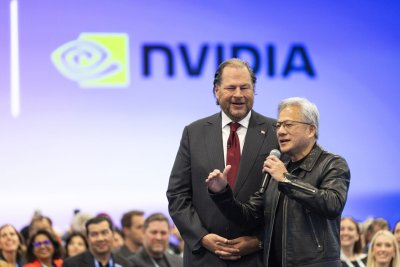
This development comes as Intel CEO Lip-Bu Tan works to reshape the company. In August, Intel announced that the U.S. government would invest $8.9 billion in its common shares, acquiring a 9.9% stake as part of a nationwide effort to boost domestic chip manufacturing. Tan has emphasized Intel's commitment to bringing advanced technology production to the U.S. Intel has also attracted significant outside investment, including a $5 billion commitment from Nvidia last year, though that agreement did not include manufacturing Nvidia's computing chips.
Analysts have stressed that for Intel's foundry business to compete seriously, it needs to secure a heavyweight customer such as Apple, Nvidia, Qualcomm, or Broadcom. The potential Apple deal could be a game-changer, but concerns remain about the scope and technical challenges. Bloomberg previously reported that Apple was hesitant to move beyond TSMC due to doubts about reliability and scaling, while Intel's 18A and 14A chipmaking processes have faced yield issues that strain margins.
Apple's fiscal second-quarter revenue of $111.2 billion, a 17% year-over-year increase, was driven by robust iPhone sales, putting additional strain on chip supplies. CEO Tim Cook described it as Apple's "best March quarter ever" and acknowledged supply constraints, particularly for advanced nodes. PP Foresight analyst Paolo Pescatore told Mobile World Live that "flawless execution" is necessary to address these limits.
The broader semiconductor market also reacted positively, with the Philadelphia semiconductor index hitting a fresh record on hopes for strong AI infrastructure demand. "There's a huge secular movement happening in chips," said Charlie Ripley, investment strategist at Allianz Investment Management, noting that Intel stands out as a prime way to play that theme. The potential deal underscores the shifting dynamics in the chip industry, as Apple seeks to diversify its supply chain and Intel aims to reclaim its manufacturing edge.