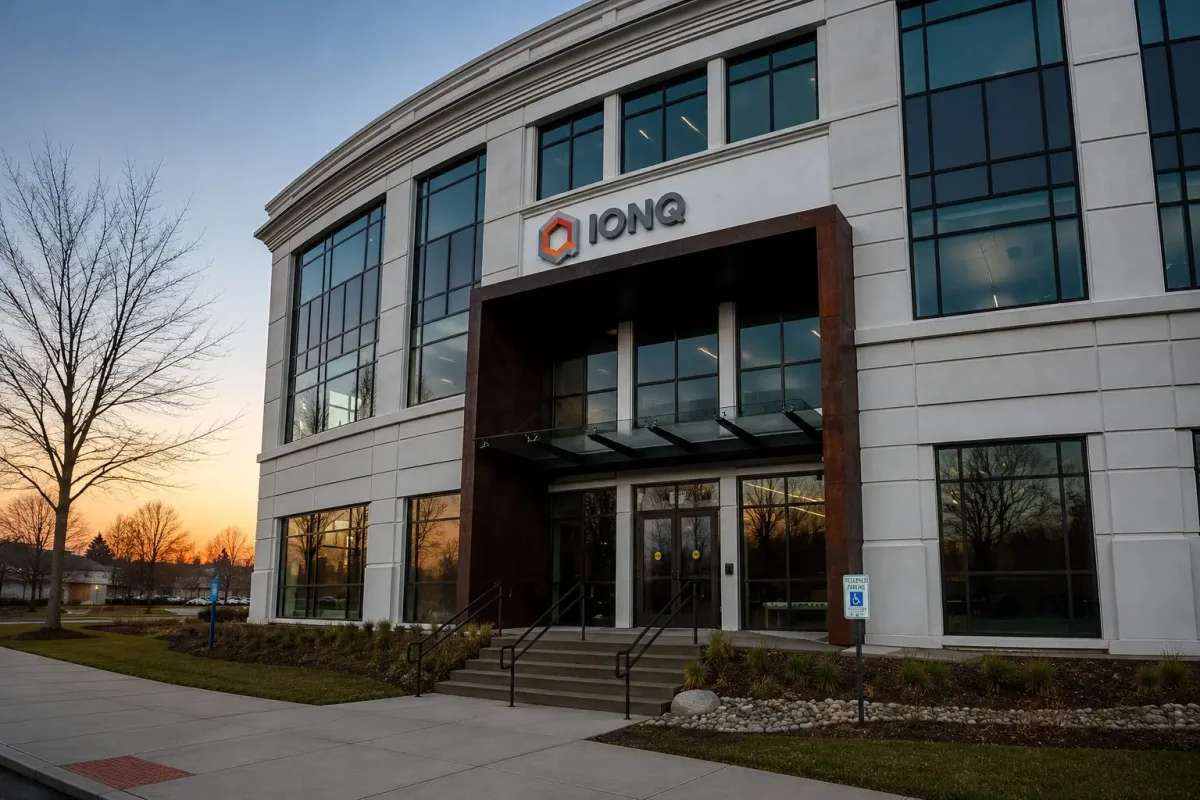
Shares of IonQ (NYSE: IONQ) climbed approximately 16% on Monday, outperforming quantum computing rivals Rigetti Computing and D-Wave Quantum, after shareholders of SkyWater Technology (NASDAQ: SKYT) voted overwhelmingly in favor of IonQ's proposed $1.8 billion acquisition of the U.S. chip foundry. SkyWater shares also rose, gaining about 2.4% on the session.
The shareholder vote marks a significant milestone in IonQ's strategy to bring semiconductor manufacturing in-house, a move the company argues will strengthen its supply chain for quantum hardware production. SkyWater confirmed that the deal remains on track to close in the second or third quarter of 2026, pending customary regulatory approvals and other closing conditions.
According to SkyWater's May 8 filing with the Securities and Exchange Commission, approximately 32.6 million shares were cast in favor of the merger proposal, with just 404,800 votes against and 92,040 abstentions. The company reported that roughly 67% of its outstanding shares were represented at the special meeting of shareholders.
The acquisition, first announced in January 2026, values SkyWater at approximately $1.8 billion, with IonQ offering $15 in cash and $20 in IonQ shares for each SkyWater share held. If completed, SkyWater will operate as a wholly owned subsidiary of IonQ, with CEO Thomas Sonderman remaining at the helm, according to Reuters.
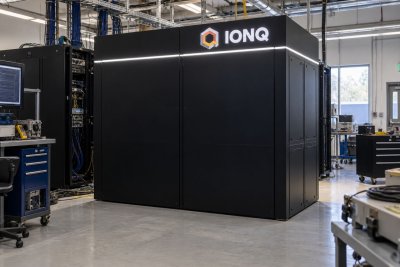
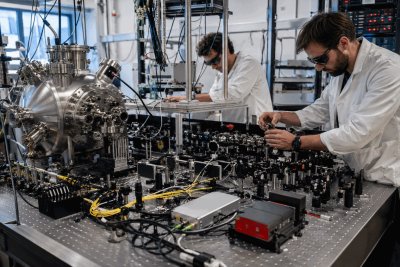
Quantum computing companies are under increasing pressure to convert research breakthroughs into commercially viable products. Investors are closely watching when quantum technology will begin generating consistent revenue streams, rather than just accumulating technical milestones. IonQ's trapped-ion approach, which uses lasers and electromagnetic fields to manipulate charged atoms in a vacuum, differentiates it from competitors pursuing alternative hardware architectures.
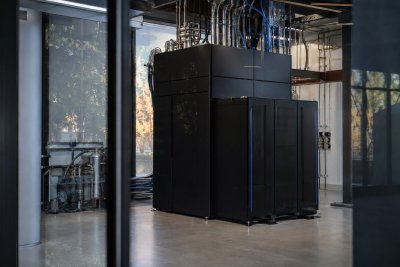
Just days after the shareholder vote, IonQ reported first-quarter 2026 revenue of $64.7 million and raised its full-year revenue outlook to a range of $260 million to $270 million. However, the company also posted an adjusted EBITDA loss of $96.8 million, underscoring the significant costs associated with its expansion efforts. Chairman and CEO Niccolo de Masi cited "strong and growing demand" for IonQ's quantum computers, noting a transition from "component-level testing to integrated, system-level testing" on its 256-qubit machine. CFO Inder Singh reported remaining performance obligations of $470 million.
The deal still faces regulatory hurdles. SkyWater disclosed in an April 24 filing that the Federal Trade Commission had issued a second request for information, extending the Hart-Scott-Rodino waiting period until 30 days after both parties substantially comply, or until the FTC concludes its review earlier, or if the parties agree to an alternative timeline.
Market analysts have expressed concerns about potential antitrust delays, volatility in IonQ's stock price, and any technical setbacks in hardware development. D.A. Davidson analyst Alex Platt, speaking to Reuters after IonQ's earnings report, noted that doubts have persisted regarding "the viability of the technology" and IonQ's strategic direction with its trapped-ion qubits.
Monday's surge shifts attention to IonQ's next challenges: completing the acquisition, integrating SkyWater's foundry operations, and demonstrating that controlling more of the supply chain will accelerate the delivery of quantum systems to paying customers. The market will be watching closely to see if IonQ can convert its technological advantages into sustainable commercial success.