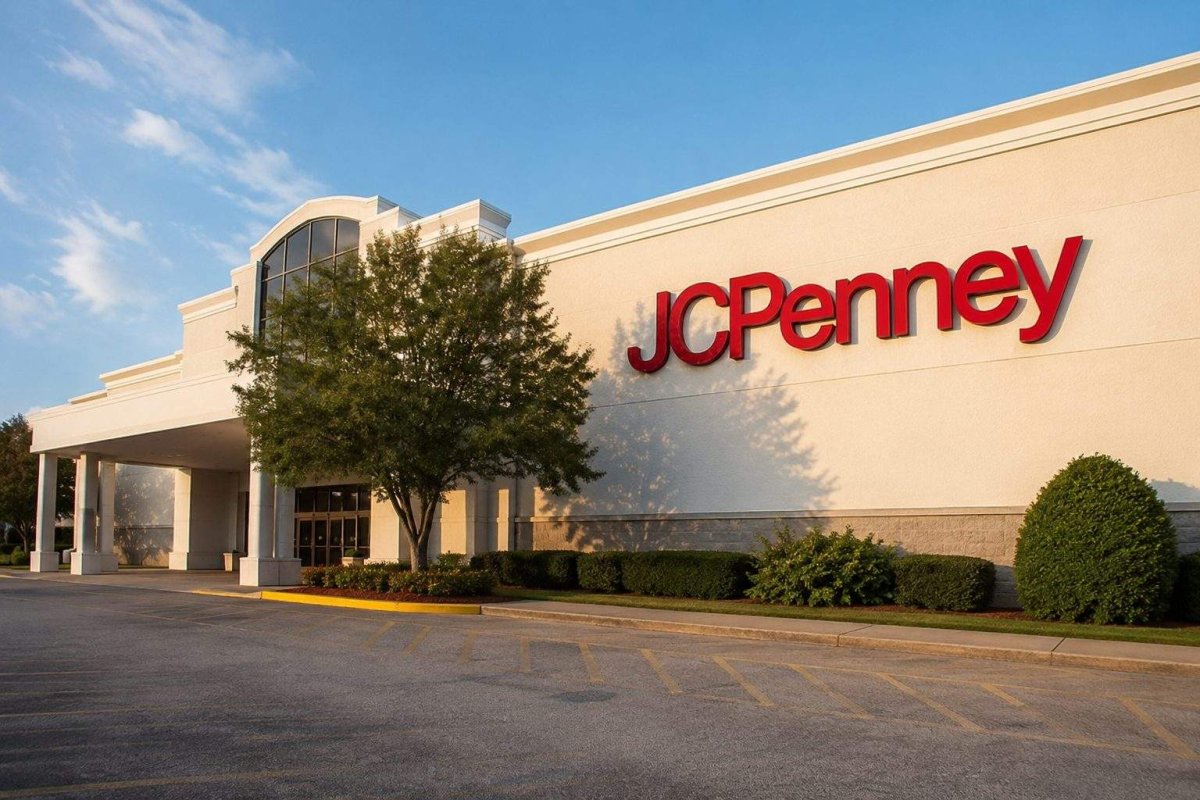
JCPenney, now a privately held retailer, is proceeding with the closure of at least six locations across the United States in 2026, a move that places renewed attention on the financial health of mall landlords and the broader retail real estate sector. While the number of shuttered stores represents less than 1% of the company's current U.S. footprint, the closures are concentrated in key mall properties, raising questions about anchor tenant stability and the pace of redevelopment.
According to a report from Fast Company, the chain has reduced its store count by roughly 24% since the start of 2020, when it operated 846 stores. As of this week, public filings and store-locator data show that number has fallen to 641. The closures are occurring in California, Florida, Illinois, Tennessee, Virginia, and Pennsylvania. Among them is the Ross Park Mall location near Pittsburgh, which will close on September 20 after 40 years of operation, following the company's inability to renew its lease or find an alternative site in the area.
The news has implications for major real estate investment trusts and retail investors, particularly Simon Property Group (NYSE: SPG) and Brookfield Corporation (NYSE: BN), both of which are shareholders in JCPenney's parent entity, Catalyst Brands. Simon's shares dipped 1.2% in midday trading, while Brookfield's stock gained 1.3%. JCPenney itself no longer has publicly traded equity, having been taken private.
Catalyst Brands was formed in 2025 as a joint venture between JCPenney and SPARC Group, combining over $9 billion in revenue, 1,800 stores, 60,000 employees, and $1 billion in liquidity. Simon and Brookfield are among the investors in this entity, which means the impact of store closures is felt not only in rental income but also in the performance of their retail investments.
Occupancy and Rent Trends
Simon Property Group's latest financial data shows U.S. mall and outlet occupancy at 96.0% as of March 31, up slightly from 95.9% a year earlier. Base minimum rent has risen 5.2% year over year to $61.99 per square foot, suggesting that the landlord has some capacity to absorb anchor turnover. However, the company's other platform investments segment, which includes Catalyst Brands, Rue Gilt Groupe, and Jamestown, posted a first-quarter operating loss of $84.1 million, more than double the $41.5 million loss from the same period last year.
Speaking in May, Simon CEO Eli Simon described the portfolio's performance as "strong" and noted continued leasing momentum. The company raised its full-year 2026 real estate FFO outlook to between $13.10 and $13.25 per share and increased its quarterly dividend to $2.25. Despite these positive signals, the loss in the platform investments segment highlights the risks tied to anchor store closures.
Redevelopment and Mixed-Use Opportunities
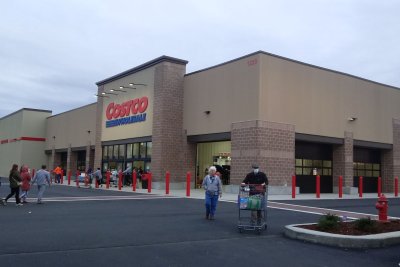
The fate of each closed JCPenney location varies significantly, reflecting broader trends in mall redevelopment. At the Seminole Towne Center in Sanford, Florida, the 122,758-square-foot property was sold for $7 million and is being redeveloped into a mixed-use project featuring apartments, a hotel, and a Costco Wholesale (NASDAQ: COST) location. This shift away from traditional retail could prove more profitable than maintaining a department store anchor.
In contrast, the Ford City Mall in Chicago closed following a court-ordered shutdown due to safety risks at the aging property, with no clear public landlord exposure. The Springfield Town Center in Virginia saw JCPenney exit in May, with 74 job cuts, but local reports indicate that DICK'S Sporting Goods (NYSE: DKS) may take over the space with a House of Sport concept, potentially driving more foot traffic. At Ross Park Mall, Simon faces a test of both its landlord and retail strategy, as it owns the mall and holds a stake in Catalyst Brands.
Financial Struggles and Market Outlook
JCPenney's financial performance continues to deteriorate. Net sales for fiscal 2025 fell more than 5% to $6 billion, and the retailer ended the year with a net loss of $173 million, according to Retail Dive. Neil Saunders of GlobalData noted that JCPenney "lost relevance" during the holiday season, and returning to profitability will be a "very tall order" as sales keep sliding.
For investors, the key takeaway is that JCPenney's closure list, while small in number, serves as a barometer for the health of mall-anchor relationships. In top-tier malls, closures can lead to lease repricing and redevelopment opportunities, but in lower-tier properties, they risk reducing foot traffic and triggering co-tenancy clauses that allow other tenants to exit or renegotiate terms. As the retail landscape evolves, the ability of landlords like Simon and Brookfield to adapt will be closely watched.