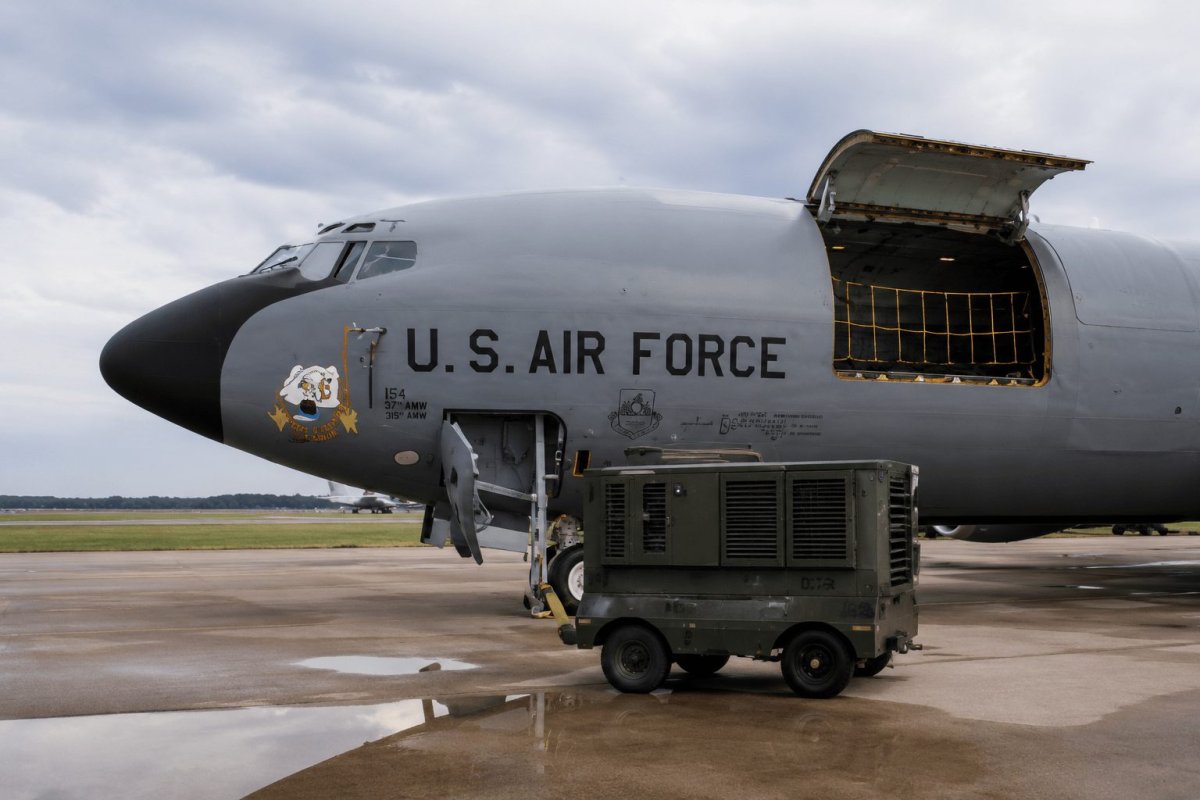
A US Air Force KC-135 Stratotanker issued a 7700 emergency squawk near the Persian Gulf before disappearing from public radar over Qatar, reigniting concerns about the aging aerial refueling fleet that underpins American air operations in the region. The incident, reported by NDTV citing flight-tracking data, occurred as the aircraft departed Al Dhafra Air Base in the UAE, entered a holding pattern, and then began descending. No official cause has been disclosed.
Strategic Context
The emergency comes amid a surge in US military activity near the Strait of Hormuz. On May 8, US Central Command reported disabling two Iranian-flagged oil tankers in the Gulf of Oman. The previous day, US warships transiting the strait faced Iranian missiles, drones, and small boats. These operations, part of Project Freedom, involve guided-missile destroyers, over 100 aircraft, drones, and 15,000 troops.
The KC-135's role is critical: it extends the endurance of strike jets, bombers, and surveillance assets. Without tankers, combat aircraft would have limited loiter time over distant targets. The fleet has been under strain, with a previous loss on March 12 in western Iraq during Operation Epic Fury, where a KC-135 crashed after an incident between two tankers, killing all six crew members. Defense Secretary Pete Hegseth called it a "tragic crash," ruling out hostile or friendly fire.
Fleet Challenges
Attention has also focused on damage to other tankers. In March, Reuters reported that five KC-135s were damaged at Saudi Arabia's Prince Sultan Air Base, according to US officials. One aircraft, tail number 59-1444, later arrived at Tinker Air Force Base in Oklahoma with repair patches, after stops in the UK and Maine. Tinker's depot maintenance complex handles battle-damage repair for the KC-135, KC-46, and other aircraft.
The KC-135 has served for over six decades as the backbone of US aerial refueling, supporting the Air Force, Navy, Marine Corps, and allies. Its replacement, the Boeing KC-46 Pegasus, has faced delivery delays and technical issues, forcing continued reliance on the older fleet. Military Times reports only about 100 KC-46s have been delivered, far short of the KC-135's numbers.
Market Implications
While no official incident report has been released, the incident underscores the operational risks of aging military hardware. Defense contractors like Boeing (BA) face pressure to accelerate KC-46 deliveries, while maintenance firms such as AAR Corp (AIR) could see increased demand for depot services. The broader defense sector, tracked by the XLF ETF, remains in focus amid heightened geopolitical tensions.
Public flight data can be misleading, especially for military flights. The loss of a transponder signal may indicate an emergency, a routine landing, or intentional masking. What is certain is that every tanker incident carries greater weight as US sorties extend deeper into contested Gulf airspace.