In a pioneering field trial, KDDI and its subsidiary KDDI SmartDrone have leveraged SpaceX's Starlink satellite network to transmit trail-camera images from remote areas of Hokkaido that lack conventional mobile coverage. The initiative, conducted in the towns of Kamisunagawa and Minamifurano, aimed to enhance bear monitoring and response capabilities in regions where traditional cellular networks are unavailable.
The companies released the results on November 27, 2026, one day after the trial concluded. Over the course of the test, eight motion-sensing cameras supplied by HYKE were deployed across the two towns. In areas with LTE coverage, cameras automatically transmitted images upon detecting animal movement. However, in cellular dead zones, compatible cameras sent still images directly to satellites via KDDI's au Starlink Direct for IoT service, which has been available to businesses since April.
Trial Results and Technical Details
According to the joint report, cameras operating outside LTE coverage were able to upload images every two hours. The trial captured approximately 11,600 images in total. KDDI's image recognition software was instrumental in identifying bears and distinguishing them from other wildlife such as deer and wild boar. When a bear was flagged, the system sent the image and classification to town email systems and activated a warning light in municipal facilities.
While the public report provides the total image count, it does not disclose how many images specifically depicted bears, how many were transmitted via Starlink, or how often alerts were missed. These gaps leave room for further analysis and refinement of the system.
From Alert to Drone Deployment
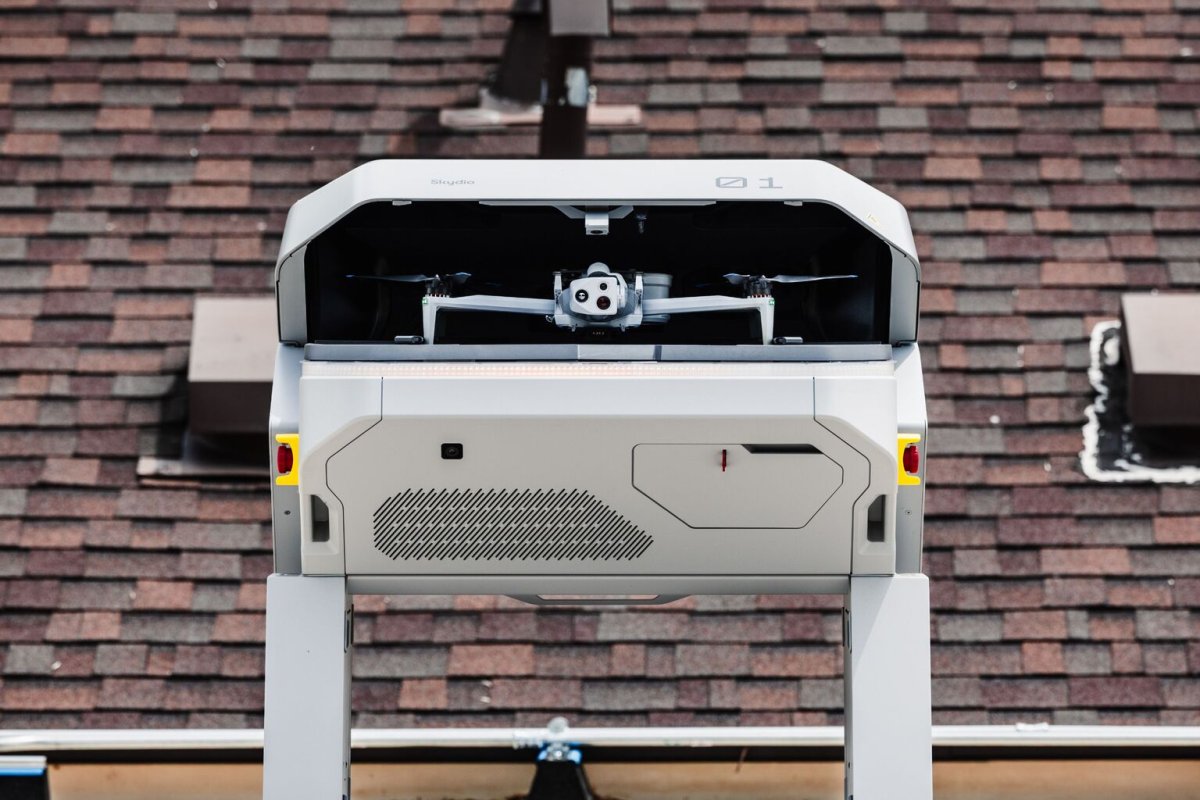
The trial also demonstrated a seamless workflow from bear detection to field verification. Once a bear was flagged and the alert sent to town staff, they reviewed the alert and approved a drone flight request. KDDI SmartDrone then deployed an aircraft from a permanently installed Skydio Dock for X10. The drone arrived at the site approximately 15 minutes after the alert was received, including the time for review and approval.
This remote verification capability allows municipal staff to assess a situation before dispatching personnel, potentially reducing the workload for local hunters and staff who typically inspect traps and investigate reports. However, the companies did not detail flight-to-flight variation or the number of site visits saved during the trial.
Background and Future Plans
This trial builds on earlier efforts. In September, HYKE reported that its LT+ trail camera could transmit images to the cloud over KDDI's Starlink service. Minamifurano's October notice also outlined a broader drone program for bear sightings, search and rescue, and disaster response, scheduled to run through March 2028. The November results brought these components together in a two-town field test.
KDDI and KDDI SmartDrone aim to commercialize the bear-monitoring system by fiscal 2027. However, pricing and the list of participating municipalities have not yet been announced. This initiative highlights the growing role of satellite IoT in addressing rural safety challenges, as well as the potential for such technology to be adapted for other wildlife monitoring and disaster response applications.
For investors, this development underscores KDDI's commitment to expanding its IoT and satellite-based services, which could open new revenue streams in the growing market for connected solutions in remote areas.