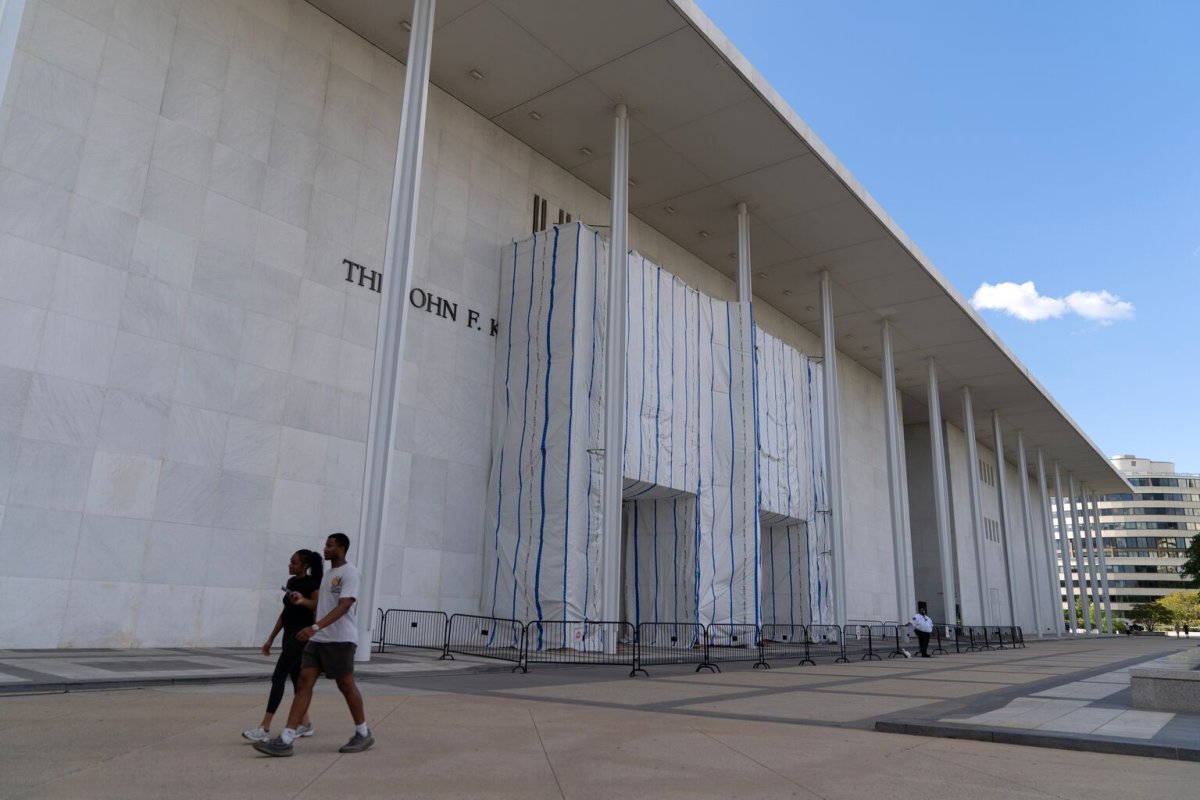
The John F. Kennedy Center for the Performing Arts is at a critical juncture as its board prepares to vote on two draft resolutions that could reshape its future. While the institution has not filed for bankruptcy, the proposals—one declaring a near-term financial crisis and another recommending closure of the main building over safety concerns—have sparked intense scrutiny. The distinction between a board warning and an actual bankruptcy filing is crucial, as the term "bankruptcy" has circulated widely in media reports, potentially overshadowing the underlying issues.
The Financial Paradox
At the heart of the matter lies a stark contradiction: Congress has allocated nearly $257 million for the Kennedy Center's repair and maintenance, yet the board packet warns of an imminent fiscal collapse. This apparent inconsistency stems from the separation of capital funds and operating cash. The congressional appropriation is earmarked for a major renovation program, addressing issues like water damage and aging infrastructure, as highlighted during a recent tour of the property. These funds cannot be diverted to cover payroll or routine operational expenses without explicit authorization.
The center's fiscal 2023 annual report illustrates this divide. Operating revenues stood at $240.1 million against expenses of $241.4 million, resulting in a $24.5 million operating deficit. While the institution held $28.7 million in cash and $149.2 million in marketable securities, the plant and bond fund—which includes the renovation money—accounted for $146.8 million in net assets, with a $75.1 million loan payable. These figures, dated October 1, 2023, underscore the legal and practical constraints on using capital funds for daily operations.
Tuesday's Board Meeting
The board's special meeting on Tuesday, September 15, will be pivotal. One resolution describes a "fiscal rescue" plan tied to recognizing President Donald Trump on the building, while the other proposes closing the main structure due to safety risks. Rep. Joyce Beatty has filed a federal court challenge, arguing that the closure resolution misrepresents a consultant's findings, which explicitly disclaimed any unsafe-occupancy conclusion. A judge previously ruled that the president's name was added illegally and ordered its removal, though litigation continues.
For stakeholders—taxpayers, donors, employees, and contractors—the critical missing information includes current unrestricted cash levels, weekly operating outflows, and the projected date of any payroll or vendor shortfall. The public has yet to see whether management holds a current cash forecast that might validate the crisis claims. Without such data, the "bankruptcy" narrative remains speculative.
Market and Governance Implications
This situation highlights broader governance challenges facing cultural institutions reliant on public funding. The Kennedy Center's financial strain reflects declining ticket sales and donations, exacerbated by management changes and program disruptions over three seasons. While the $257 million renovation fund is substantial, it is restricted, and the center's liquidity position may be far weaker than its asset base suggests.
Investors and observers should monitor the board's decisions and any subsequent disclosures. A genuine emergency could trigger rapid depletion of working capital, but until concrete evidence emerges—such as a missed payment or a formal going-concern opinion—the crisis remains a governance dispute rather than a financial event. The outcome of Tuesday's votes will provide clarity on the center's immediate future and its ability to navigate these turbulent waters.
