South Korean equity markets endured a brutal week of trading, culminating in one of the most severe declines in the history of the Korea Composite Stock Price Index (KOSPI). The benchmark index closed the week ending March 7, 2026, down approximately 10.6% from its level on February 27, following a period of extreme volatility that included a record-breaking single-day collapse.
A Week of Extreme Volatility
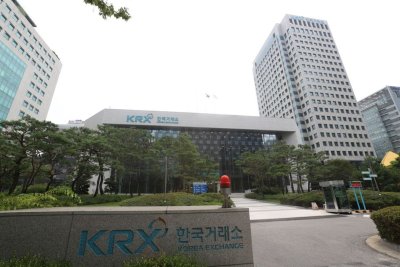
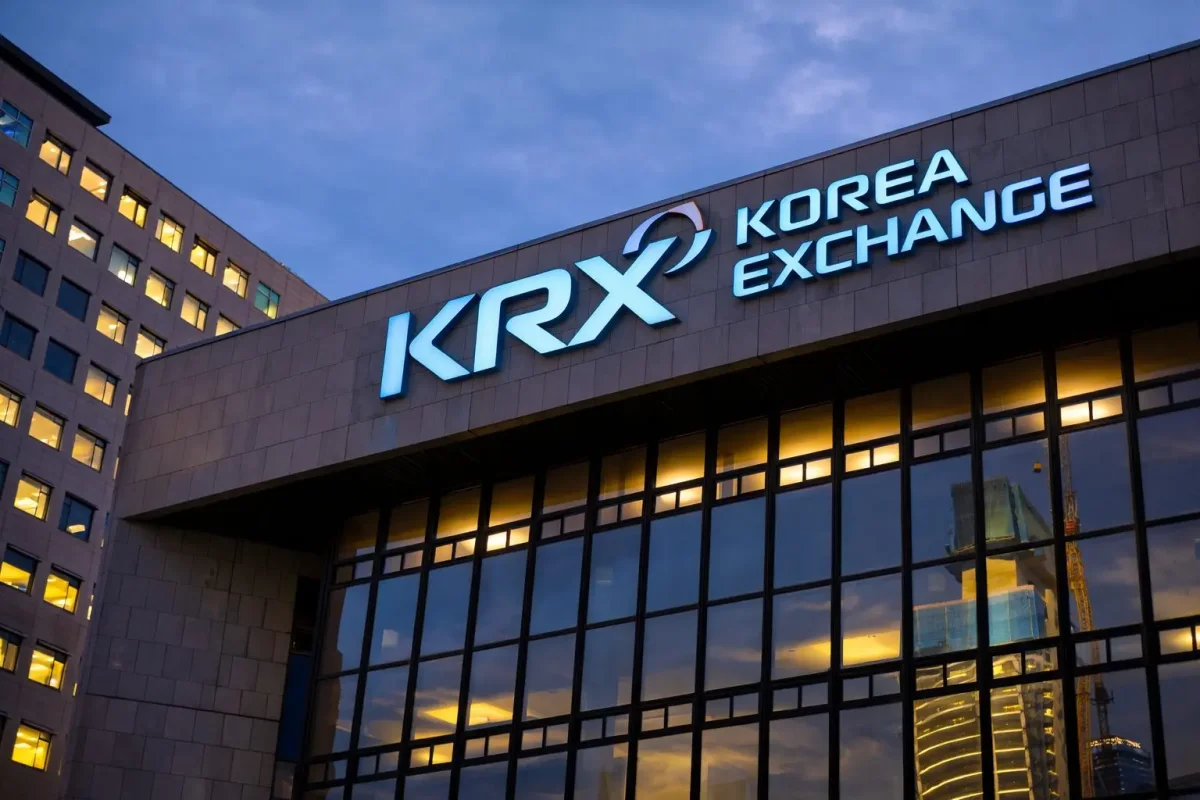
The downturn accelerated sharply mid-week. On Tuesday, March 4, the KOSPI fell 7.24%. The selling pressure intensified dramatically the following day, Wednesday, March 5, when the index plunged a staggering 12.06%—marking its steepest one-day percentage drop on record. The precipitous fall triggered circuit breakers at the Korea Exchange, halting all trading temporarily in an attempt to curb the panic-driven rout. A partial recovery ensued on Thursday, with the index clawing back 9.63%, before stabilizing in a nearly flat session on Friday. By the middle of the week, an estimated half a trillion dollars in market value had been erased.
Heavy Losses for Market Leaders
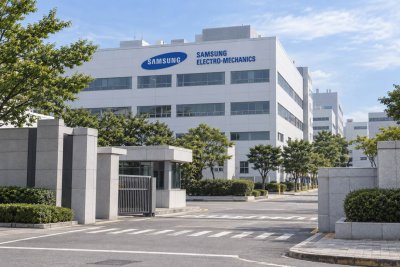
The sell-off hit the nation's corporate titans hardest, particularly those that had fueled the market's previous AI-driven rally. Semiconductor giants Samsung Electronics and SK Hynix, bellwethers for the Korean economy, each shed roughly 13% of their value since February 27. Despite the steep declines, data from the Korea Exchange indicated domestic retail investors stepped in as buyers, purchasing a combined 5.059 trillion won (approximately $3.8 billion) of the two stocks between March 3 and March 5.
Friday's session revealed a divided market. While retail investors were net buyers to the tune of 2.9 trillion won, foreign institutions and domestic financial institutions were net sellers, offloading 1.1 trillion won and 1.9 trillion won respectively, according to exchange data. Sectors like automobiles and defense managed gains, but the heavyweight chipmakers continued to lose ground. Analysts noted that bargain-hunting activity provided some support around the 5,500-point level for the KOSPI.
Government and Central Bank Spring into Action
As losses mounted, government officials responded swiftly. President Lee Jae Myung ordered the activation of a substantial $68 billion market-stabilization fund. The Financial Services Commission further signaled that the government, central bank, and financial regulators were prepared with contingency programs exceeding 100 trillion won (roughly $75 billion) should market conditions deteriorate further.
Foreign Exodus and Regional Context
The crisis was exacerbated by a massive flight of foreign capital. According to LSEG data, foreign investors pulled a record $13.67 billion from South Korean stocks in February alone, a period that preceded the most intense panic. This outflow contrasted with other major Asian markets like Taiwan, India, Thailand, Indonesia, and the Philippines, which attracted net foreign inflows during the same period.
The downturn in Seoul was notably steeper than in other regional markets. While Japan's Nikkei 225 fell about 6% over the same week, the KOSPI's decline was nearly double that, at around 11%. Despite the severe weekly drop, the Korean index remains up roughly 30% for the year to date, a testament to the powerful rally that preceded the correction.
Underlying Economic Factors
The market turmoil unfolded against a mixed economic backdrop. On a positive note, South Korean exports surged 29% year-over-year in February, marking a ninth consecutive month of growth. Semiconductor shipments were a standout, skyrocketing 160.9%, indicating the robust chip demand that initially powered the market rally continues to benefit the real economy.
However, significant headwinds persist. Analysts point to soaring oil prices as a primary threat. With South Korea importing roughly 70% of its oil from the Middle East, the nation is particularly vulnerable to supply disruptions and price spikes. Financial experts warn that if oil prices push past $100 per barrel, it could rekindle inflationary pressures and delay anticipated interest rate cuts by the central bank, further straining equity valuations.
Market commentators attributed the sharp correction to a global reassessment of AI-related stock valuations, a phenomenon that began in the U.S. and spread to other markets. While some analysts express near-term optimism based on the ongoing "memory super-cycle," the events of the past week have starkly highlighted the Korean market's sensitivity to shifts in foreign investment and commodity price shocks.