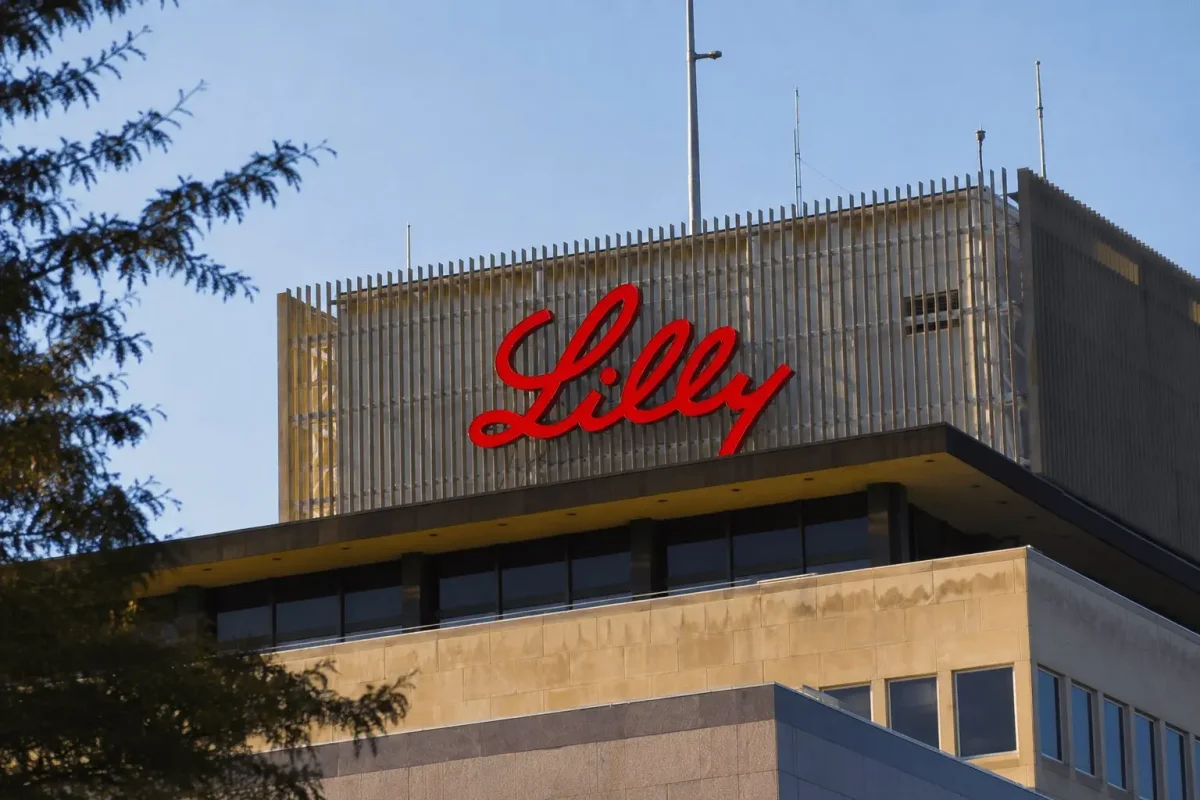
Eli Lilly and Company (NYSE: LLY) announced the acquisition of three privately held vaccine developers—Curevo Inc., LimmaTech Biologics AG, and Vaccine Company Inc.—for a combined total of up to $3.83 billion in cash. The move marks a significant return to infectious disease prevention for the Indianapolis-based pharmaceutical giant, which has been channeling robust cash flows from its blockbuster GLP-1 drugs into a broader pipeline.
Under the terms of the deals, Curevo shareholders could receive up to $1.5 billion, LimmaTech up to $780 million, and Vaccine Company up to $1.55 billion. These amounts include upfront cash payments and potential milestone payouts tied to clinical, regulatory, or commercial achievements. The acquisitions are subject to customary closing conditions, including the expiration of the U.S. antitrust waiting period, and there is no guarantee that the deals will close or that the candidates will ultimately reach the market.
Vaccine Candidates and Competitive Landscape
Lilly gains three vaccine programs through the acquisitions. Curevo’s lead candidate, amezosvatein, targets shingles and is positioned to compete with GSK’s Shingrix. In Phase 2 trials, amezosvatein matched Shingrix’s immune response while reducing rates of fatigue, chills, and injection pain by more than 50%. LimmaTech’s LTB-SA7 is a vaccine candidate for Staphylococcus aureus, the bacterium responsible for surgical-site infections. Vaccine Company is developing a shot for Epstein-Barr virus (EBV), which causes mononucleosis and is linked to multiple sclerosis and certain cancers.
These acquisitions push Lilly into direct competition with GSK in the vaccine space, while its ongoing obesity drug rivalry with Novo Nordisk (NYSE: NVO) continues. The vaccine deals add a new dimension to Lilly’s growth strategy, which has already seen over $20 billion in acquisitions in 2026—the most in any single year. Earlier this year, Lilly agreed to buy Centessa Pharmaceuticals for up to $7.8 billion and Kelonia Therapeutics for up to $7 billion.
Financial Impact and Market Reaction
Lilly shares rose approximately 5% in morning trading to $1,137.27, driven primarily by news that CVS Caremark will restore Zepbound and add Foundayo to its covered drug lists, reversing a prior decision favoring Novo Nordisk’s Wegovy. This coverage change provides a near-term catalyst for Lilly’s obesity portfolio, which includes Mounjaro ($8.7 billion in Q1 sales) and Zepbound ($4.2 billion).
Analysts noted the relatively modest price tag of the vaccine deals. “The bite-sized price tag helped,” said Shams Afzal, managing director at Carnegie Investment Counsel, as Lilly has executed a series of larger transactions. Citi analyst Geoffrey Meacham told Reuters that the targets address viruses linked to long-term neurological and cancer risks, aligning with Lilly’s existing focus areas. Some industry observers see the acquisitions as building a new business line. “They’re building a new business here,” said Alex Torgerson, partner in M&A at West Monroe, as quoted by MedCity News.
Strategic Rationale and Risks
Lilly’s Chief Scientific and Product Officer, Daniel Skovronsky, described the acquisitions as part of “a deliberate strategy to prevent disease at its source,” citing antimicrobial resistance as a growing concern that makes vaccines increasingly important. The company is leveraging its strong cash position from GLP-1 drug sales to diversify into infectious disease prevention.
However, the vaccine bet carries inherent risks. All drug candidates are still investigational and have not received regulatory approval. The deals must clear antitrust review, and there is no certainty that the products will succeed in clinical trials or commercial markets. Despite these uncertainties, the acquisitions underscore Lilly’s aggressive push to deploy its capital and market value while it can, positioning itself for long-term growth beyond its current obesity franchise.