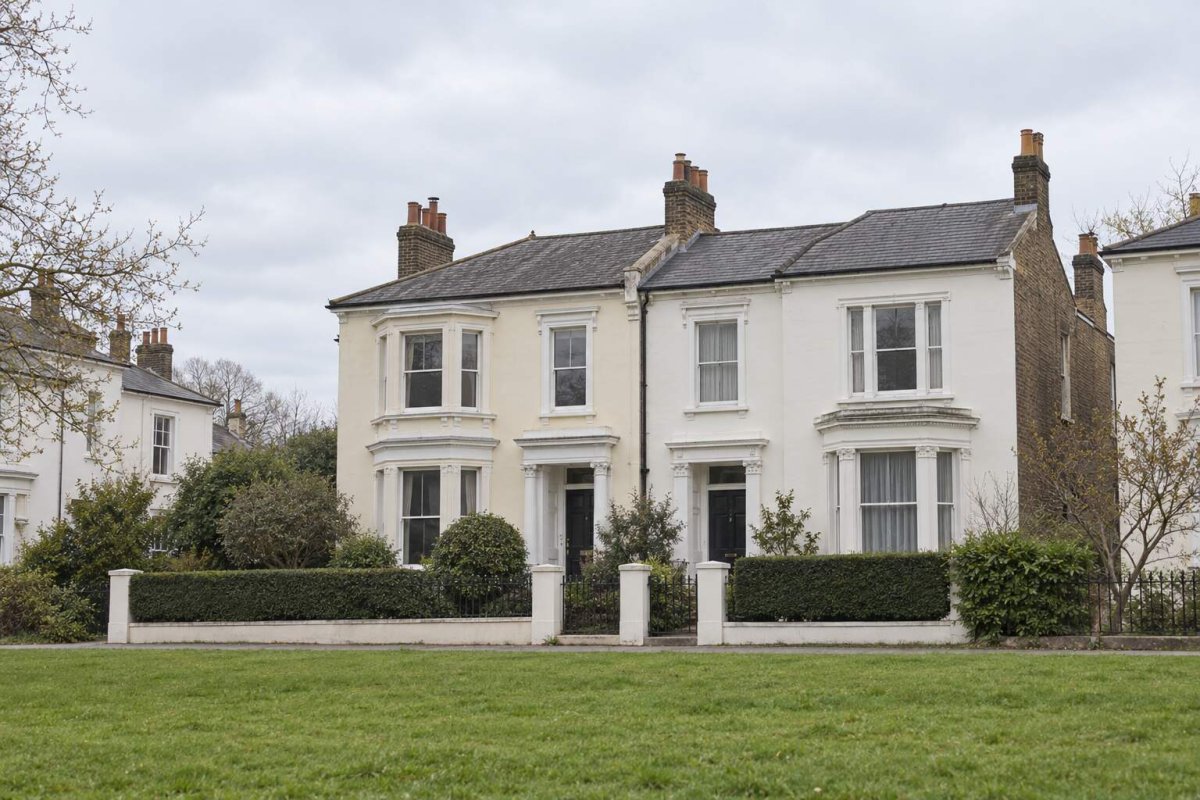
London's housing market, already showing signs of weakness, is bracing for the impact of the government's proposed 'mansion tax.' Official data released Wednesday revealed that London house prices fell by 3.3% in the year to July, marking the steepest decline among English regions. Meanwhile, four London boroughs—Richmond, Kensington and Chelsea, Westminster, and Wandsworth—estimate their residents could contribute approximately £275 million annually to the tax, which is projected to raise £430 million nationwide.
The regional price index, which covers all London homes, contrasts with the High Value Council Tax Surcharge, which targets properties valued at £2 million or more. This new levy, set to take effect in April 2028, introduces a recurring ownership cost precisely where property values have been most vulnerable. For investors in London-focused estate agents, property lenders, and landlords, this convergence of falling prices and a new tax could reshape market dynamics.
Understanding the Mansion Tax
The government's consultation outlines four annual bands: £2,500 for homes valued between £2 million and £2.5 million, £3,500 for £2.5 million to £3.5 million, £5,000 for £3.5 million to £5 million, and £7,500 for properties above £5 million. This charge is additional to council tax and will increase with inflation. The Valuation Office will use 2026 property values, publish a draft list in late 2027, and reassess every five years. Owners, not tenants, will be liable, and the government expects fewer than 1% of English homes to be affected.
While the headline figures seem modest—£2,500 equals 0.125% of a £2 million valuation—the cumulative effect on buyer budgets could be significant. Mortgage rates, income levels, stamp duty, and future price expectations often outweigh a small annual levy. However, the tax's introduction during a period of declining prices may amplify its psychological impact on high-end buyers.
Market Context: Falling Prices, Rising Rents
The Office for National Statistics (ONS) reported that the average London home now costs £569,000, down £19,000 from its July 2025 peak. This marks the eleventh consecutive year-over-year decline in the capital. Although this average doesn't isolate the luxury segment, it sets a challenging backdrop for sellers at the top end, who are already negotiating in a softening market.
Rents, however, tell a different story. London rents rose 3.5% in the year to August, reaching an average of £2,332 per month. While landlords cannot automatically pass the surcharge to tenants, the combination of higher taxes, financing costs, and the new levy may incentivize rent increases when leases expire. Market acceptance will depend on local supply and tenant affordability.
Geographic Concentration Raises Concerns
The four boroughs' potential contribution of £275 million represents roughly 64% of the national forecast, highlighting a significant geographic concentration. Councils argue that high property values don't always equate to high current income, especially for long-term owners, and the revenue would flow to central government rather than local communities. The consultation includes a deferral option for those unable to pay, but its mechanics are crucial: a narrow eligibility test could force cash-poor owners to sell, while a broad deferral would ease immediate pressure on listings and transactions.
The government remains committed to the 2028 start date, as confirmed in a September 4 parliamentary answer. This leaves design, valuation, and payment relief as the key unresolved variables, with the £2 million threshold already set.
Implications for Investors
For shareholders in London-focused brokers like Foxtons Group (LSE:FOXT) and global agent Savills (LSE:SVS), the critical indicator will be transaction behavior rather than the tax headline. Monitoring high-end instructions, time to sell, and completed volumes in the four boroughs once draft valuations appear in late 2027 will provide clarity. If these metrics weaken faster than the rest of London, the surcharge may be affecting liquidity. If not, the annual charge is likely too small to outweigh other market forces.
As the implementation date approaches, stakeholders should watch for policy refinements and market reactions. The mansion tax, while modest in percentage terms, arrives at a delicate time for London's property market, and its full impact will unfold over the coming years.