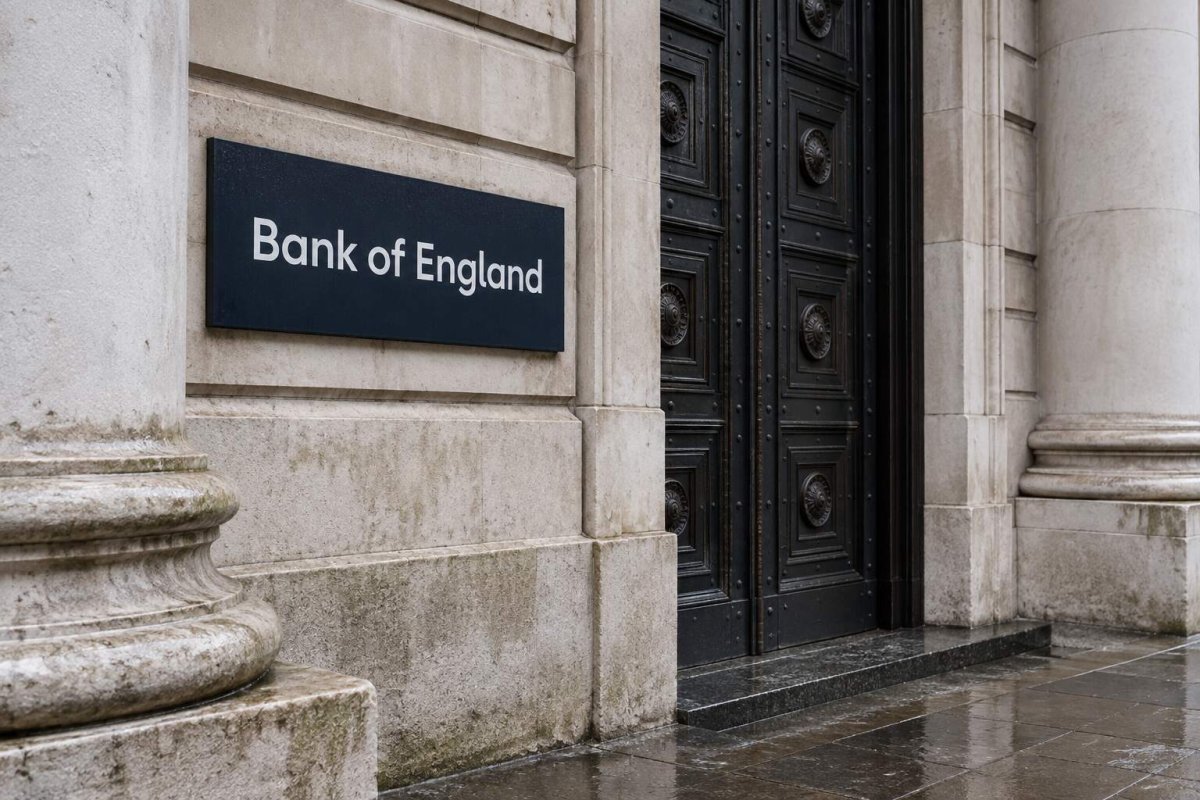
Paul Nowak, the General Secretary of the Trades Union Congress (TUC), is set to join the Bank of England's governing board, the Court of Directors, but his role will not extend to setting interest rates. This distinction is significant, coming just one day before the central bank's September policy announcement.
The UK Treasury confirmed on September 16 that Nowak has been appointed as a non-executive director of the Court for a four-year term, running through August 31, 2030. His first Court meeting is scheduled for October 22, which means he will not be present for the September 17 Monetary Policy Committee (MPC) decision.
Court vs. MPC: Understanding the Roles
The Court of Directors is responsible for overseeing the Bank's strategy, governance, budget, and risk management. It ensures the institution effectively carries out its statutory functions. However, the actual formulation of monetary policy, including decisions on the Bank Rate, is reserved for the MPC, a separate statutory committee.
As a Court member, Nowak will not have a vote on the MPC. He may attend policy meetings as an observer, scrutinize committee processes, and commission retrospective performance reviews. While the Court's oversight can shape how the Bank operates, it does not involve direct participation in rate decisions.
Market Implications
For investors in gilts, sterling, and bank stocks, the key rate signal will continue to come from the MPC's vote and guidance. Nowak's appointment does not alter the September 17 decision, as he will not attend his first Court meeting until after that date.
His appointment brings a direct organized-labor perspective to the Court at a time when wage growth and employment conditions are critical inputs for monetary policy. This is not unprecedented; a Bank history published in April notes that one non-executive director traditionally comes from a trade union background.
Broader Board Changes
Nowak has led the TUC since 2022, representing 47 unions and 5.3 million workers, according to the Treasury. He has also served as a non-executive director of Unity Trust Bank and represented the TUC at the International Labour Organization, OECD, and G20.
The Chancellor also appointed David Craig, former Refinitiv CEO and later head of Data and Analytics at London Stock Exchange Group, to the Court. Craig's four-year term also runs through August 2030, with his first meeting on September 17. Hanneke Smits, former global head of BNY Investment Management, will start a four-year term on January 1, 2027.
These appointments fill vacancies left by Sir Ron Kalifa and Baroness Frances O'Grady, while Lord Jitesh Gadhia and Tom Shropshire have been reappointed for second terms.
Court's Influence Beyond Rates
While the Court is sometimes seen as ceremonial, its influence extends over the Bank's risk framework, resources, senior appointments, and financial stability strategy. It can also review how policy decisions were made after the fact. Nowak's labor-market expertise could inform these discussions, but it will not translate into an extra vote on interest rates.