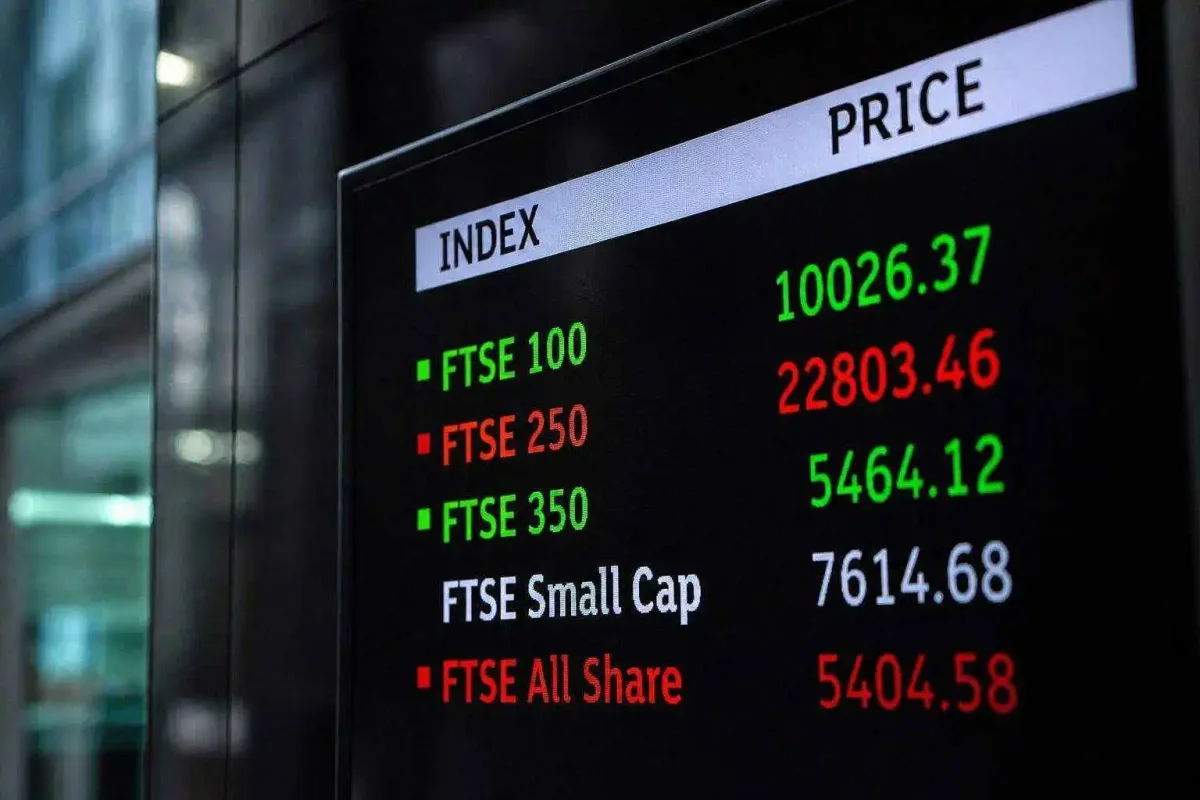
The FTSE 100 edged up just 0.10% to 10,222.85 in early London trading on Thursday, recovering slightly after a sharp 1.2% decline the previous session. The index's modest gain comes amid a mix of corporate headlines and cautious positioning ahead of the Bank of England's latest monetary policy decision.
DCC shares tumbled roughly 5% after the Irish energy distributor rejected a £4.95 billion ($6.66 billion) takeover approach from KKR and Energy Capital Partners. The board deemed the 5,800 pence per share cash bid too low, noting it represented just an 8% premium to DCC's closing price before the offer emerged. Under UK takeover rules, the suitors now have until June 10 to either firm up their bid or walk away. Analysts at RBC Capital Markets see a "good chance" of a deal eventually being struck, but expect any improved offer to be limited to around a 10% premium over the current share price.
Unilever provided a bright spot, announcing a €1.5 billion share buyback program alongside first-quarter results showing underlying sales growth of 3.8%, excluding currency and divestment impacts. CEO Fernando Fernandez described the start to the year as "strong" and reaffirmed the company's 2026 targets, though the group still expects full-year sales growth to land at the lower end of its 4% to 6% guidance range. The consumer goods giant's update helped lift sentiment in a market otherwise lacking direction.
Investor attention remained squarely fixed on the Bank of England, which is widely expected to keep its benchmark rate unchanged at 3.75%. All 62 economists surveyed by Reuters predict no move, but traders are focused on the vote breakdown and updated forecasts for clues about how rising oil prices might influence future policy. Brent crude jumped 3.52% to $122.19 a barrel, keeping inflation concerns alive and complicating the central bank's messaging.
United Utilities shares gained after the water company projected higher annual revenue and proposed an additional £1.4 billion in investment to regulator Ofwat. CEO Louise Beardmore highlighted "real progress" on storm overflow spills and customer service. The positive read-across lifted Severn Trent as well, pushing the utilities sector higher as investors sought defensive positions amid ongoing uncertainty.
Rolls-Royce shares climbed after the engine maker reaffirmed its 2026 targets, including underlying operating profit of £4.0 billion to £4.2 billion and free cash flow of £3.6 billion to £3.8 billion. CEO Tufan Erginbilgic expressed confidence in mitigating the financial impact of Middle East disruption, noting that large engine flying hours rose 5% in the first quarter to 115% of 2019 levels.
Whitbread, the owner of Premier Inn, slipped after announcing plans to convert its remaining 197 branded restaurants to in-house dining, a restructuring that could affect around 3,800 jobs in the UK and Ireland. The move is part of a broader effort to improve returns amid rising property taxes and pressure from activist investor Corvex Management.
The broader market backdrop remains fragile, with oil price volatility a persistent threat. The US dollar climbed to a two-week high on concerns that higher crude costs could stoke global inflation, while sterling eased to $1.3463. Charu Chanana, chief investment strategist at Saxo, warned that if the Strait of Hormuz remains disrupted, higher transport costs and squeezed corporate margins could fuel inflation expectations, potentially complicating central bank policy decisions.
With the FTSE 100 having posted seven losses in the last eight sessions and sitting at a one-month low, investors are looking for direction. While individual stock stories offer some opportunities, the market's next move hinges largely on how the Bank of England frames the risks around oil and inflation—and whether that keeps rate-hike speculation alive.