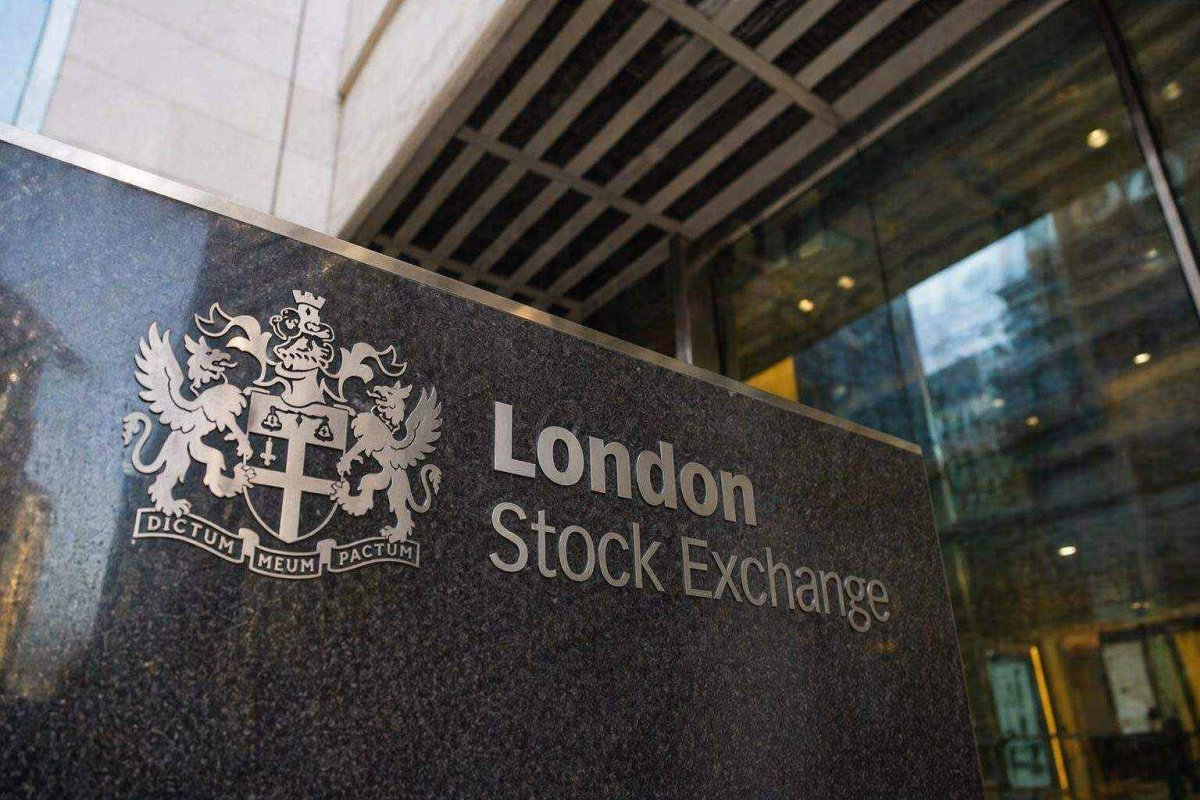
London's blue-chip index opened lower on Friday, extending its losing streak to five sessions as investors grappled with surging oil prices and renewed trade tensions between the US and the UK. The FTSE 100 fell 37.06 points, or 0.35%, to 10,419.95 in early trading, according to data from Hargreaves Lansdown.
Oil and Tariff Pressures
Brent crude held above $105 a barrel, rising 0.55% to $105.65, as the standoff between the US and Iran continued to unsettle global energy markets. US crude edged up 0.25% to $96.09. The ongoing uncertainty around the Strait of Hormuz, a critical chokepoint for global oil shipments, kept traders on edge and fueled inflation concerns.
Adding to the pressure, former President Donald Trump threatened to impose a “big tariff” on the UK if it continues to enforce its 2% digital services tax on major US technology companies, according to Reuters. The warning came as energy markets were already volatile.
Energy Stocks Gain, Mondi Tumbles
Oil majors provided a lift to the index, with BP climbing 1.42% and Shell adding 1.05%. However, gains were offset by steep losses elsewhere. Packaging group Mondi plunged 5.44% after reporting a 27% drop in underlying EBITDA to 212 million euros for the first quarter. Chief Executive Andrew King blamed “cost pressures linked to escalating geopolitical tensions” for the profit decline.
Other notable decliners included Rolls-Royce, which slipped 1.86%, and Fresnillo, which fell 2.51%. Banking stocks also came under pressure, with Barclays down 1.04%, Lloyds matching that decline, HSBC slipping 0.61%, and NatWest losing 0.79%.
UK Retail Sales Show Modest Gain
Data from the Office for National Statistics showed UK retail sales volumes rose 0.7% in March, recovering from a revised 0.6% decline in February. However, the gain was largely driven by a spike in fuel purchases as motorists reacted to rising prices. Excluding automotive fuel, sales growth was just 0.2%.
Thomas Pugh, chief UK economist at RSM, noted that consumer confidence weakened in April and cautioned that retailers could face a “much tougher outlook” if geopolitical tensions persist. Sainsbury’s and Tesco shares saw modest early gains, but both supermarket chains have already warned about shopper uncertainty amid the Iran conflict.
Rate Hike Bets Intensify
The Bank of England is now seen as likely to raise rates in June, with markets pricing in a 70% probability, up sharply from 40% just a week ago, according to Reuters. The shift reflects rising energy prices and renewed inflation concerns. Higher rates tend to weigh on equities by increasing borrowing costs and drawing capital into bonds and cash.
Vishnu Varathan, Mizuho’s APAC macro strategy head, warned that oil and volatility are not set for a gentle retreat. Jane Foley at Rabobank added that higher energy prices could lead to “demand destruction,” as both households and firms cut back on spending.
Outlook
Goldman Sachs noted that Gulf oil output could bounce back within months if the Strait of Hormuz reopens, but for now about 14.5 million barrels a day of Gulf crude were sidelined in April. Progress in US-Iran talks could drag oil prices lower, undermining the FTSE’s energy boost. Conversely, persistent supply disruptions risk pushing inflation and rates higher, adding further strain on London shares.