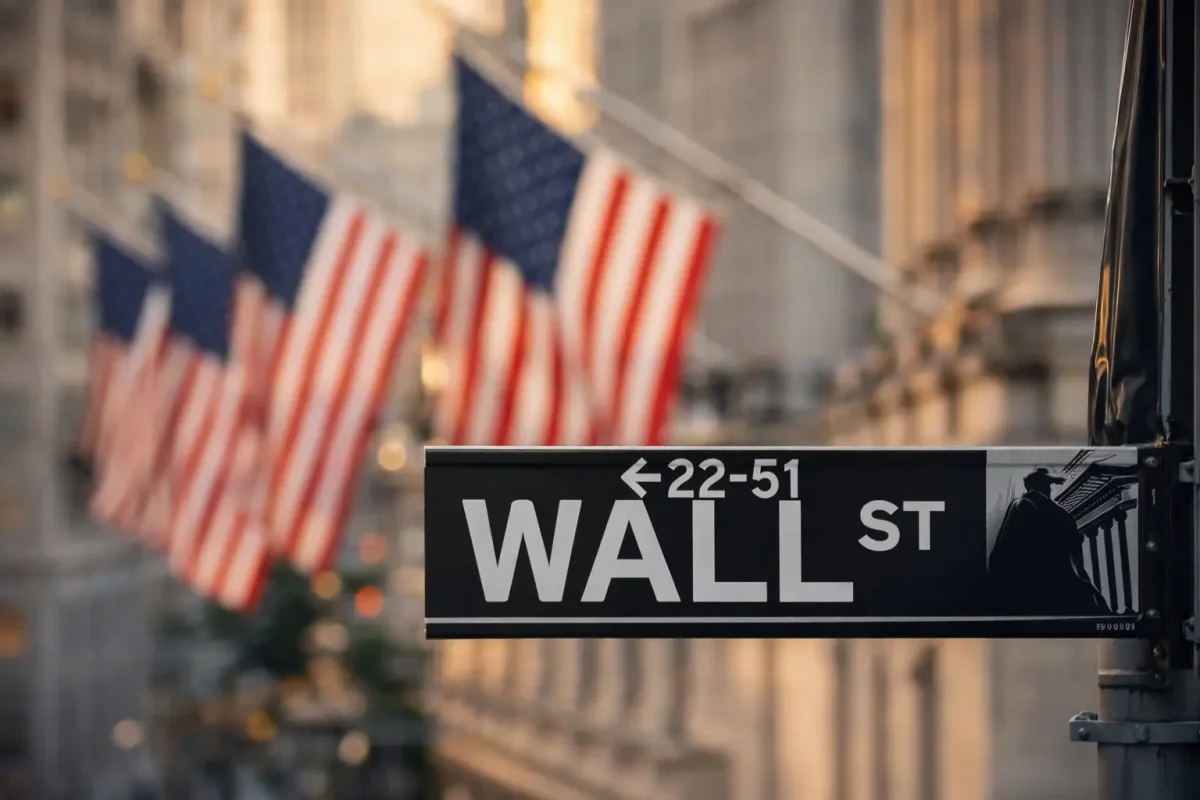
U.S. equity futures nudged higher in thin trading early Monday, April 6, 2026, as Wall Street balanced fragile cease-fire discussions in the Middle East against renewed geopolitical warnings. The S&P 500 futures contract advanced approximately 0.3%, with Nasdaq futures also climbing. Trading activity was subdued following the holiday weekend.
Oil Market Jitters Persist
The global crude benchmark, Brent, hovered around $108 per barrel. The market's focus remained fixed on the Strait of Hormuz, a critical chokepoint for roughly one-fifth of the world's seaborne oil shipments. Iran has refused to reopen the strategic waterway during the current pause in hostilities, sustaining underlying supply fears. Analysts warn that any escalation could swiftly propel fuel costs higher, potentially reigniting inflationary pressures.
JPMorgan Chase CEO Jamie Dimon has cautioned that such a scenario could lead to "stickier inflation" and interest rates that exceed current market expectations. The standoff over the strait is evolving into both a logistical challenge for shippers and a struggle for political leverage, according to industry observers.
Shifting Fed Expectations
Market probabilities for near-term Federal Reserve interest rate cuts diminished following the release of stronger-than-anticipated U.S. employment data. In response, Citigroup economists revised their forecast on Monday, now projecting the first rate reduction will occur in September, a delay from their previous June estimate. The recalibration reflects the resilience of the labor market, which has forced a broad rethink of the monetary policy timeline.
"The markets are obviously nervous," noted Sim Moh Siong, a currency strategist at OCBC Bank. The resilience shown by Asian equity markets has been somewhat "puzzling," added Mark Matthews, head of research for Asia at Bank Julius Baer, who suggested traders might be betting on either a brief conflict or sufficient economic stimulus to cushion any blow.
Energy Stocks Under Pressure
Premarket action pointed to a weaker opening for several major oil producers. Shares of Exxon Mobil declined 1.3%, Chevron shed 1%, and Occidental Petroleum fell 1.7%. This weakness emerged despite the major U.S. stock indexes recently snapping a six-week losing streak with their first weekly advance.
The pressure is spilling into physical markets. Spot premiums for U.S. West Texas Intermediate crude destined for North Asia surged, reaching between $30 and $40 per barrel for July shipments. According to analysis from Rystad Energy, buyers avoiding Middle Eastern supply are scrambling to secure "every available Atlantic Basin barrel."
Broader Market Moves
With many global markets still closed for holidays, the thin trading volume likely prevented more pronounced price swings. Dow Jones Industrial Average futures edged higher in tandem with the S&P 500, while the yield on the benchmark 10-year U.S. Treasury note held steady near 4.36%.
Investors awaited the Institute for Supply Management's services sector report, due later Monday, for clues on whether the oil price shock is beginning to filter into the broader U.S. economy. For now, Wall Street is juggling two competing narratives: cease-fire speculation providing a modest lift to risk sentiment, and the lurking threat that another spike in crude prices could rapidly erase those gains.