Quantum Computing Inc. (QUBT) shares advanced sharply in early Nasdaq trading on Thursday, propelled by a broad rally in quantum computing stocks after the U.S. government unveiled a $2 billion equity investment package for the sector. The company, however, was not among the firms specifically named as recipients of the funding, according to a Reuters report.
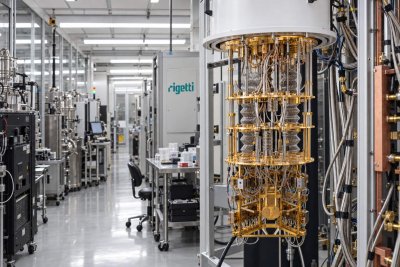
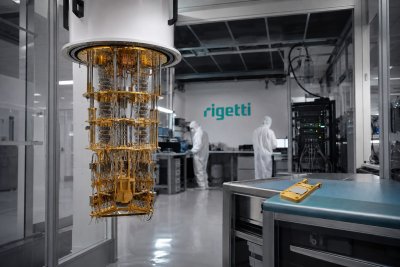
QUBT last traded at $10.73, up approximately 12.2% on volume of nearly 16 million shares. The move reflects investor enthusiasm for the sector as a whole, even though the direct beneficiaries—companies like Rigetti Computing and D-Wave Quantum—posted larger gains of about 21.4% and 21.8%, respectively. IBM, which received a $1 billion commitment from the Department of Commerce to establish a new quantum chip venture, rose 4.9%.
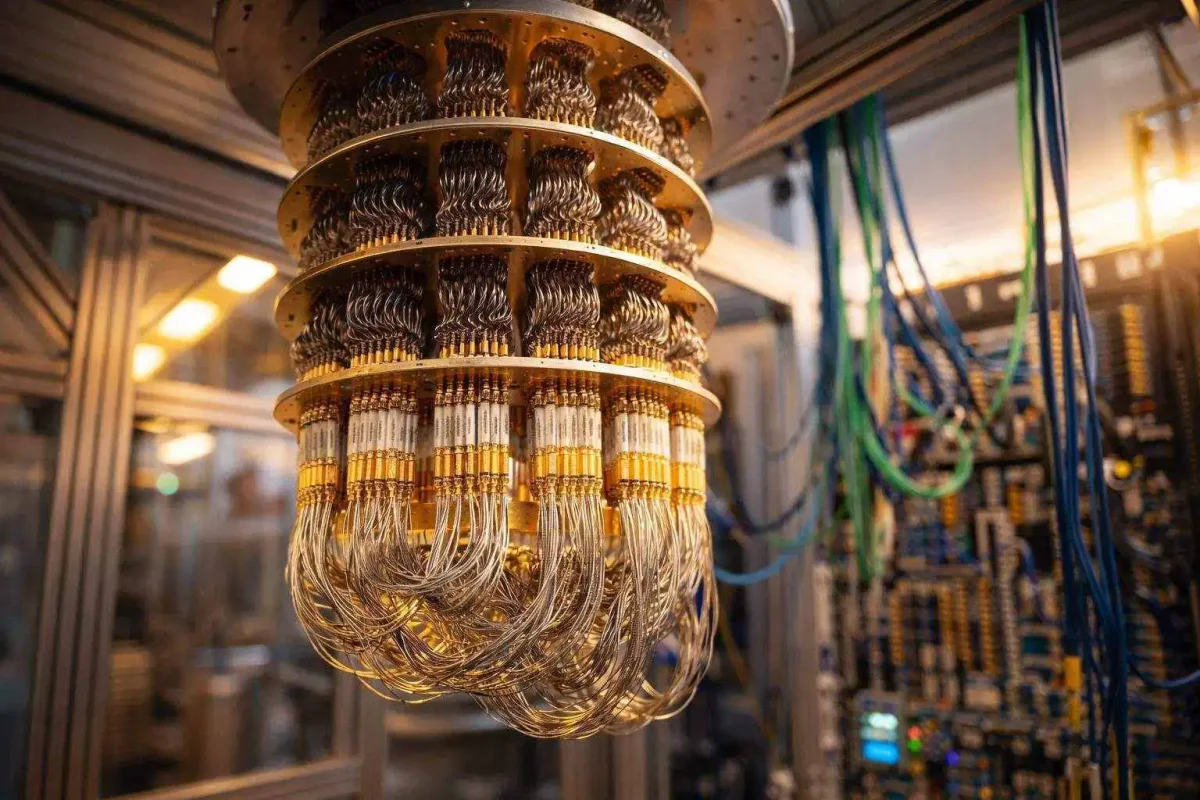
The government's decision to take equity stakes in nine quantum computing companies marks a significant policy shift, placing a government-backed bid under a market that has long traded on promise rather than profit. Quantum computing, which leverages quantum physics to solve problems beyond the reach of classical computers, remains in its early stages, but this investment has sharpened investor focus on potential winners and those left out.
QCI's recent financial results provide a more concrete narrative. The company reported first-quarter revenue of approximately $3.7 million, a dramatic increase from $39,000 in the same period last year, driven primarily by its February acquisition of Luminar Semiconductor and, to a lesser extent, the March acquisition of NuCrypt. Chief Executive Yuping Huang emphasized operational progress and noted that photonics—using light on chips for data processing—is gaining traction due to low power consumption and room-temperature operation.
Despite the revenue growth, QCI reported a first-quarter net loss of $4.1 million, or 2 cents per share, with operating expenses rising 139% year-over-year to $19.8 million. The company ended March with a robust cash position of approximately $1.4 billion in cash, cash equivalents, and investments, along with a backlog of about $16 million. This cash cushion provides ample time for execution, but the stock's valuation leaves little room for error. At the latest trade, QCI's market capitalization stood at roughly $2.4 billion, with a negative price-to-earnings ratio reflecting ongoing losses.
The broader rally may prove fleeting if investors conclude that the government's funding package primarily benefits the named recipients rather than the entire sector. Quantum computers still face formidable engineering challenges, including high error rates that limit practical performance, and estimates for when useful machines will arrive vary widely. Nonetheless, the policy signal has shifted market sentiment for now. Matthew Kinsella, CEO of peer Infleqtion, told Reuters that the investment validates the view that quantum computing is "coming much faster than anybody thinks."
For QCI, Thursday's price action underscores the stock's sensitivity to sector-wide catalysts, even when the company itself is not a direct beneficiary. With a strong balance sheet and an acquisition-led growth strategy, the company remains a speculative play on the quantum computing theme, but investors should weigh the risks of valuation and execution against the potential for long-term technological breakthroughs.