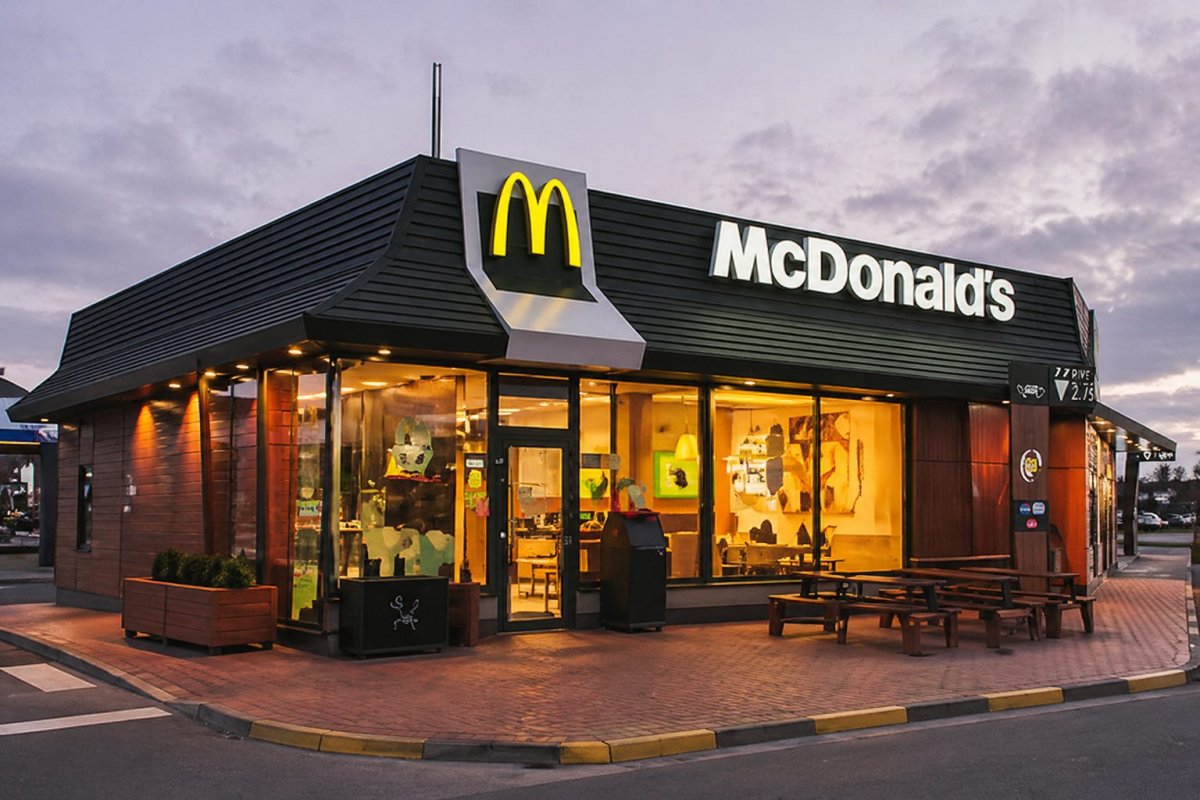
McDonald's Corporation (NYSE: MCD) experienced a notable decline in its stock price on Monday, falling nearly 3% to $291.08. The drop followed a downgrade by Erste Group, which shifted its rating from Buy to Hold, citing expectations for profit growth that will be "moderately below" the sector average. This analyst action casts a shadow over the company's latest promotional push, a partnership with Netflix centered on the animated series "Stranger Things: Tales From '85."
Netflix Happy Meal Launch
The new Happy Meal promotion is set to launch in U.S. stores on May 5, with international markets following this spring and summer. The meal includes a themed box, a collectible character toy, an activity book, and a QR code that leads to an interactive game. Netflix plans to introduce two new characters each week, aligning with the availability of all 10 episodes of the series. This initiative is part of McDonald's broader strategy to blend in-store traffic with digital engagement through branded partnerships.
Intensifying Value Competition
McDonald's is navigating a fiercely competitive fast-food landscape, where value offerings have become a key battleground. Earlier this month, the company rolled out a menu of items under $3 and a $4 breakfast combo in the U.S., aiming to attract cost-conscious consumers. This move comes as chains like Domino's Pizza also reported weaker quarterly results, projecting only low-single-digit comparable-sales growth for 2026. Domino's shares fell roughly 10% in afternoon trading.
Analysts emphasize the importance of these promotions. Jim Sanderson of Northcoast Research noted that McDonald's must continue to "grind away with marketing and value promotions that keep traffic positive and growing." However, he also flagged cost inflation as a potential margin headwind if traffic does not hold up.
Broader Economic Pressures
Inflation continues to squeeze both consumers and restaurant operators. According to the U.S. Bureau of Labor Statistics, prices for food away from home rose 3.8% in the year through March, outpacing the 1.9% increase for groceries. Fast-food and limited-service meals saw a 3.2% gain. This disparity is putting pressure on lower-income consumers, who are increasingly price-sensitive. Retail consultant Bruce Winder highlighted inflation and a softer economy as pain points for this demographic.
Rising costs for labor, food, and energy are also affecting margins. While promotions can drive traffic, they are expensive, and if diners stick to deals, McDonald's could see its margins shrink. The company's franchise system offers scale, but operators still face rising bills for labor, ingredients, and rent.
McDonald's Global Footprint
Despite these challenges, McDonald's remains a dominant force in the quick-service restaurant industry. The company's 2025 annual report showed 45,356 restaurants worldwide at year-end, with franchisees operating approximately 95% of those. Systemwide sales reached $139.4 billion. Looking ahead, McDonald's plans to open about 2,600 new restaurants in 2026, aiming to reach 50,000 locations worldwide by the close of 2027.
CEO Chris Kempczinski has previously emphasized the company's value leadership, noting that promotions and rewards deals are driving traffic and value ratings. In the fourth quarter, global comparable sales climbed 5.7%, a positive sign for the company's strategy.
Market Reaction and Outlook
Erste Group's downgrade reflects a cautious view on McDonald's near-term prospects. The firm expects the stock to move sideways over the medium term, suggesting that the current market environment may limit upside. While the Netflix partnership could generate excitement, investors are looking for tangible results in terms of traffic, spending, and earnings.
McDonald's shares are currently receiving defensive treatment from the market, but the path ahead remains challenging. The company must balance promotional costs with margin pressures while navigating a competitive landscape. The success of the Netflix Happy Meal and other value initiatives will be critical in determining whether McDonald's can sustain its growth trajectory.