Mercer International Inc. (NASDAQ: MERC) experienced a dramatic intraday reversal on Thursday, as a premarket surge tied to a Canadian government funding announcement evaporated shortly after the market opened. The stock initially jumped 59.8% to $0.66, but by 9:34 a.m. EDT, it had retreated to trade within a range of $0.4021 to $0.4415, falling back toward Wednesday's closing price of $0.4130.
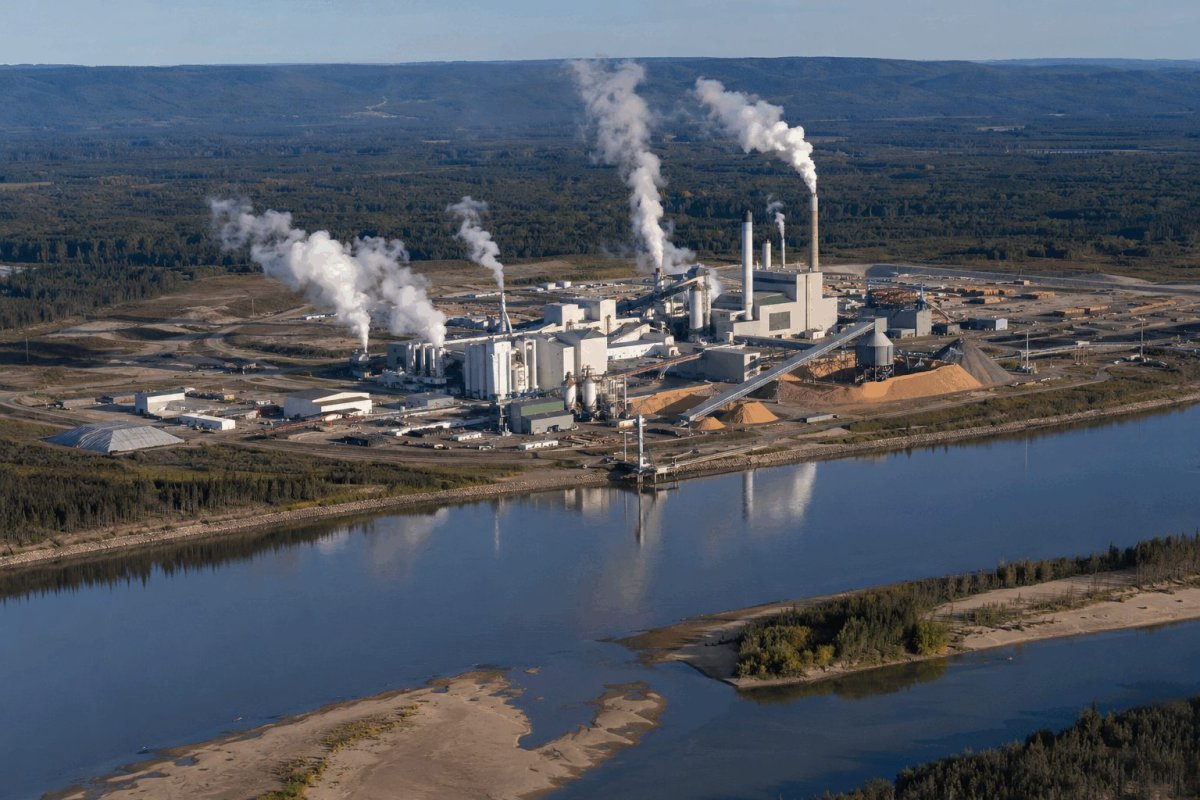
The initial enthusiasm was sparked by Canada's C$20 million (approximately US$14 million) commitment under its Regional Tariff Response Initiative. This funding is earmarked for productivity improvements, bioenergy expansion, and carbon-capture preparations at Mercer's Peace River pulp mill in Alberta. The company's SEC filing highlighted the support as a strategic boost for its modernization efforts.
However, a closer examination of the package's structure reveals why the market's initial optimism waned. Of the total C$20 million, only C$1 million (5%) is non-repayable. The remaining C$19 million (95%) must be repaid, with amortization scheduled to begin in 2031, as detailed in the company's Form 8-K filed on August 26. This means the aid is largely a loan, not a grant, and adds to Mercer's existing financial obligations.
The premarket spike briefly added an estimated US$16.6 million to Mercer's equity value, which was 1.18 times the total support amount. However, the regular-session high implied a gain of only US$1.9 million, reflecting a stark reassessment by investors. The market's initial reaction priced the aid almost dollar-for-dollar, but the subsequent reversal applied a tougher test: valuing the package against the company's substantial balance-sheet challenges.
Mercer's financial struggles are significant. As of June 30, the company had just US$78.8 million in cash, though aggregate liquidity, including available revolving credit, reached US$191.7 million. More concerning, shareholders' equity was negative at US$98.0 million, and second-quarter operating EBITDA was negative US$21.0 million. The company also reported a net loss of US$76.0 million for the quarter, partly driven by a US$26 million inventory impairment due to weak pulp pricing and high fiber costs.
CEO Juan Carlos Bueno called the government support “an important step” in the mill's modernization, noting it could preserve cash for planned work. Yet, he also acknowledged that the funding does not recapitalize the parent company. The wider pulp business remains strained, with segment revenue falling 2.2% to US$325.1 million and segment operating EBITDA at negative US$12.7 million. However, energy and chemical revenue rose 17% to US$21.7 million, indicating some diversification benefits.
Trading volume was extraordinary, reaching 56.0 million shares by 9:34 a.m. EDT—approximately 41 times the 65-day average. Mercer has 67.0 million shares outstanding, making this a highly active session. The company has engaged financial advisers and noteholders to explore financing and other liquidity-enhancing transactions, underscoring the urgency of its capital structure issues.
Analyst sentiment remains cautious, with four analysts carrying a Sell consensus and an average price target of US$1.38, according to Public's August 27 compilation. While this target is well above Thursday's trading range, it reflects the potential upside if the company can successfully navigate its challenges. The risks are substantial: the repayable nature of the aid, negative quarterly EBITDA, and uncertain outcome of capital-structure talks.
Investors are now weighing the potential benefits of the Canadian funding—which could accelerate productivity gains and improve cash generation—against the heavy burden of debt and ongoing operational losses. The market's quick reversal on Thursday suggests that, for now, the debt risk outweighs the short-term support, leaving Mercer's stock in a precarious position.
