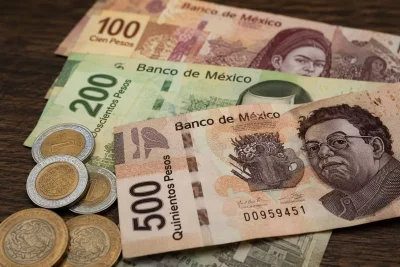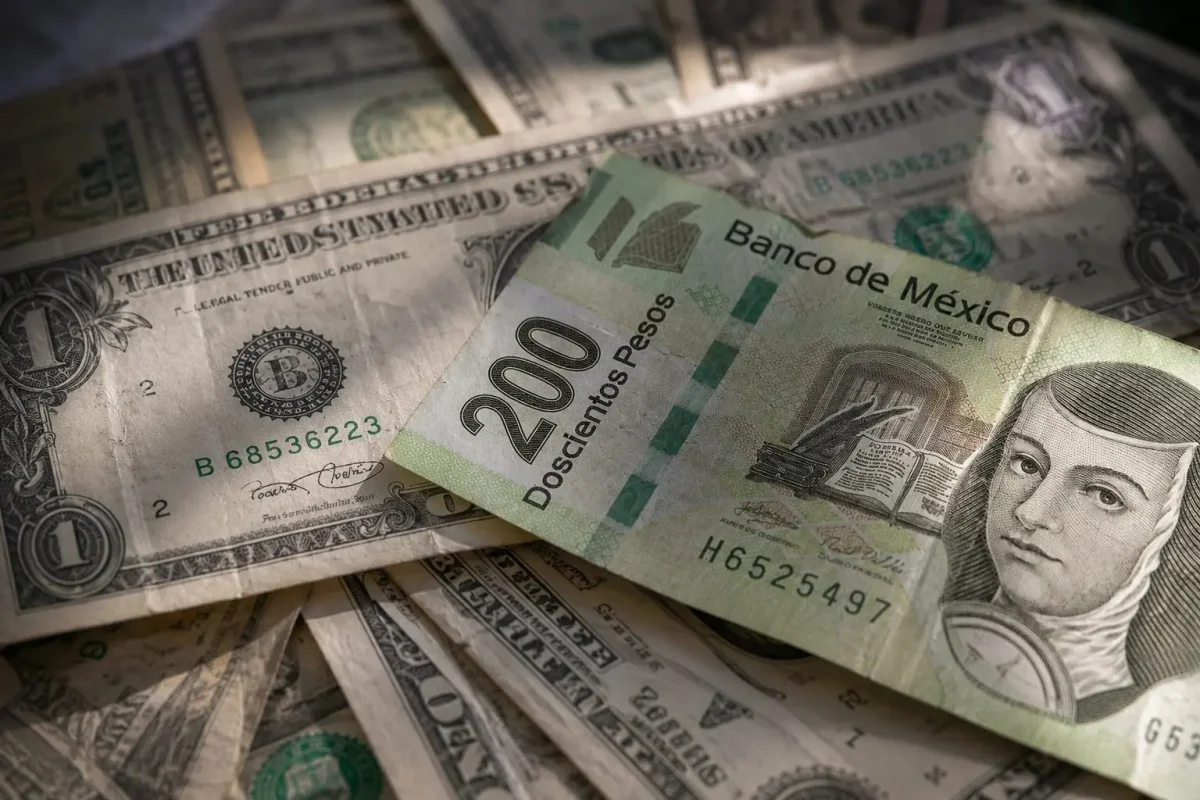
The Mexican peso weakened sharply on Friday, closing at 17.4793 per US dollar, a decline of 1.10%, as robust US employment figures propelled the greenback higher and fueled speculation that the Federal Reserve may raise interest rates later this year. The peso's drop marked its second consecutive weekly loss, with the currency trading near the 17.48 level against the dollar.
US Jobs Data Drives Dollar Strength
The catalyst for the peso's decline was the US nonfarm payrolls report for May, which showed an increase of 172,000 jobs, surpassing market expectations. The unemployment rate held steady at 4.3%, according to the US Labor Department. Strong hiring numbers reduce the likelihood of the Fed cutting rates and increase the probability of a rate hike, which tends to strengthen the dollar and put pressure on emerging-market currencies like the peso.
Following the jobs report, traders quickly adjusted their rate expectations. US rate futures now indicate a 68.4% chance of a Fed rate hike by December, up from 52% late Thursday, according to Reuters. No rate move is priced in for the June meeting, but the shift in expectations underscores growing confidence in the US economy's resilience.
Market Reaction and Weekend Trading
Over the weekend, Mexican retail and market-data sources showed quotes near 17.4779 pesos per dollar, but banks posted wider buy-sell spreads as interbank markets remained closed. For example, Afirme offered rates of 16.30 pesos to buy and 17.90 to sell, while Banco Azteca quoted 16.80 and 17.99, and Banorte listed 16.25 and 17.85, according to La Razón.
According to El Economista, the peso's losses were more pronounced on Friday than the weekend board prices suggested. The newspaper reported that the peso fell 19.12 centavos to 17.2881 per dollar from Thursday's close, a decline of 1.10%, after trading in a range of 17.2653 to 17.5360. The weekly decline was 0.80% from 17.3401.
Broader Emerging Market Pressure
The peso was not alone in its decline. The US dollar index rose 0.69% to 100.10, while other Latin American currencies also suffered. The Brazilian real, Chilean peso, and Peruvian sol all dropped more than 1.7% against the dollar during Friday's session, as reported by El Financiero.
Gabriela Siller, an analyst at Banco Base, told El Financiero that the peso's weakness was driven by the strong US jobs data, which included better-than-forecast job creation and positive revisions to previous months' figures.
Analyst Commentary and Fed Outlook
Bradford Smith, portfolio manager at Janus Henderson Investors, described the US jobs report as a "barnburner of a print" in comments to Reuters. Smith suggested that the data could push the Fed toward "insurance hikes"—additional rate increases aimed at keeping inflation in check.
While Mexico's rate environment still provides some support for the peso, that cushion has diminished. Banxico, Mexico's central bank, lowered its key interest rate to 6.50% in May, signaling the end of its easing cycle and cautioning that inflation risks remain tilted to the upside.
Outlook for Monday's Open
Weekend board prices may not accurately reflect where the USD/MXN pair will trade when markets open on Monday. Moves in US rate expectations, oil prices, or geopolitical developments could quickly push the exchange rate away from the 17.48 level. For now, traders are digesting Friday's employment surprise and positioning for what could be a volatile start to the week.