U.S. stock futures declined sharply in early trading on Tuesday, as a broad selloff in technology shares overshadowed signs of progress in diplomatic talks between the United States and Iran. Nasdaq 100 futures tumbled 2.2%, while S&P 500 futures dropped 1.3% and Dow Jones futures slipped 0.7%. The losses were driven by a steep decline in South Korean memory chipmakers SK Hynix and Samsung Electronics, both of which fell over 10%, shaking investor confidence in the artificial intelligence-driven growth narrative that had buoyed tech stocks in recent months.
The selloff in Asia spilled over to U.S. markets, with futures reflecting heightened caution. Despite a temporary U.S. waiver allowing limited Iranian oil sales and reported progress in negotiations, traders remained risk-averse. Key events on the horizon include earnings reports from FedEx and Cerebras Systems—the latter releasing its first results since going public in May—as well as Micron Technology's earnings and the Federal Reserve's preferred inflation gauge, the Personal Consumption Expenditures (PCE) report, due Thursday.
South Korea's KOSPI Suffers Sharpest Drop in Months
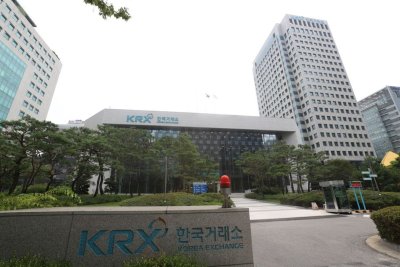
South Korea's benchmark KOSPI index plummeted 9.99% on Tuesday, marking its largest single-day decline in over three months. The plunge followed warnings from financial regulators about overleveraged exchange-traded funds (ETFs), which exacerbated selling pressure. Overseas investors targeted chipmakers amid concerns that the recent sector rally had become overextended. The regulator's caution on leveraged ETFs—funds that use borrowed money to amplify returns but also increase risk—spooked the market and triggered heavy outflows, driving the steep sell-off in the benchmark index.
Apollo Global Management Caps Withdrawals Amid Redemption Surge
Apollo Global Management announced it is limiting withdrawals from its $26 billion Apollo Debt Solutions private credit fund to 5% after investor redemption requests surged to nearly 17%, or $2.4 billion, in the second quarter of 2026. The fund, which offers retail investors exposure to higher-yield private credit assets, experienced increased outflows, particularly from offshore clients. This development underscores persistent liquidity challenges in semi-liquid private credit vehicles, following similar withdrawal caps imposed by Blackstone and Partners Group. Industry experts warn that redemption pressures are straining fund operational structures, revealing tensions in offering daily liquidity for fundamentally illiquid assets.
CME Group CEO Warns on Perpetual Futures
CME Group CEO Terry Duffy expressed concerns over the launch of perpetual futures, a type of contract that allows for continuous trading without expiration. He warned that investors unfamiliar with these complex products risk being forced out of contracts unfairly. Duffy emphasized the importance of understanding product risks before trading, signaling CME's cautious stance amid growing competition in the derivatives market.
Bank of Baroda Report Highlights Sensex-FII-Rupee Correlation
A Bank of Baroda report highlighted a strong positive correlation between India's Sensex stock index, Foreign Institutional Investor (FII) flows, and the Indian Rupee's strength. The study, covering fiscal years 2000 to 2026, found correlation coefficients of 0.7 between Sensex and FIIs and 0.6 between Sensex and the Rupee from April 2022 to March 2026, indicating synchronized movements. The report describes a spillover effect where past Sensex returns impact future market behavior and FII volatility. It also notes that shifts in Sensex returns can influence exchange rates, demonstrating interconnectedness between India's equity markets, foreign capital, and currency movements.
Other Market Developments
Ameriprise Financial increased its stake in South African coal producer Thungela Resources to 5.038% of issued ordinary shares, signaling growing institutional interest amid evolving energy market conditions. Meanwhile, Manulife Financial saw analyst price targets refined within a narrow CA$54 to CA$58 range, maintaining a central fair value of CA$55.38, reflecting restrained optimism. The broader market remains on edge as investors await key earnings and economic data later this week.