Shares of Micron Technology experienced a notable retreat during Thursday's trading session, shedding $11.69 to close at $407. The stock had reached an intraday high of $418.50 before paring gains, reflecting heightened volatility in the semiconductor memory sector as investors position themselves ahead of the company's upcoming quarterly results.
Strategic Partnership Advances AI Memory Development
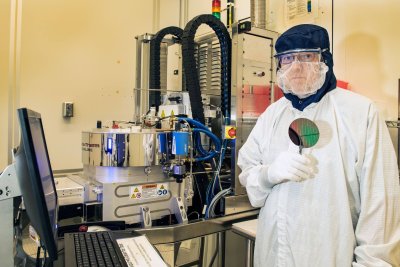
Earlier this week, Applied Materials revealed a significant collaboration with Micron and SK Hynix at its EPIC research center. The partnership aims to accelerate the development of next-generation memory chip technology specifically engineered for artificial intelligence and high-performance computing applications. This alliance underscores the intense competition among the world's leading memory producers—Micron, Samsung Electronics, and SK Hynix—to capture a dominant position in the rapidly expanding AI infrastructure market.
Industry analysts estimate that major technology firms will invest at least $630 billion into AI-related infrastructure during the current year, creating unprecedented demand for advanced memory solutions. The Applied Materials collaboration specifically targets high-bandwidth memory (HBM), a critical component for processing demanding AI workloads due to its superior speed and energy efficiency.
DRAM Price Forecasts Revised Sharply Higher
Market research firm TrendForce recently issued a substantially more optimistic outlook for dynamic random access memory (DRAM) pricing. The firm now anticipates prices will surge between 90% and 95% during the first quarter, a dramatic increase from its previous forecast of 55% to 60% growth. This revision reflects the widening supply-demand imbalance as AI and data center requirements continue to outpace available memory chip production capacity.
Micron CEO Sanjay Mehrotra has consistently emphasized that memory and storage serve as "essential enablers of AI," while technology chief Scott DeBoer noted the partnership with Applied Materials aims to move innovations "into production faster." These comments highlight the strategic importance of accelerating development cycles in the fiercely competitive semiconductor landscape.
Upcoming Earnings and Analyst Perspectives
Micron is scheduled to release its fiscal second-quarter 2026 financial results on March 18, with a conference call following at 2:30 p.m. Mountain Time. The company previously reported fiscal first-quarter revenue of $13.64 billion with adjusted earnings per share of $4.78. Management has provided second-quarter guidance projecting revenue of approximately $18.70 billion (plus or minus $400 million) and adjusted EPS of $8.42 (plus or minus 20 cents).
Analyst sentiment remains generally positive despite the recent stock price weakness. Atif Malik of Citi raised his price target to $430, citing "higher memory costs" as a key driver of increased spending from major cloud service providers. Susquehanna's Mehdi Hosseini set an even more bullish target of $525, suggesting supply and demand could reach equilibrium by mid-2027 once new clean-room manufacturing facilities become operational.
Competitive Landscape and Market Risks
Despite the optimistic backdrop, competitive risks persist in the HBM market. Recent reports indicate that Samsung Electronics and SK Hynix secured the initial HBM4 supply agreements for Nvidia's upcoming Rubin platform. While analysts suggest Micron could potentially enter this supply chain later in the year, and with the company's 2026 production capacity already allocated, the situation highlights the importance of execution timing in capturing market share for next-generation memory products.
The semiconductor memory sector remains highly sensitive to both technological advancements and supply chain dynamics. While AI-driven demand continues to provide a strong tailwind, investors are carefully monitoring capacity expansions, pricing trends, and competitive positioning. Micron's upcoming earnings report on March 18 will provide crucial insights into whether current demand projections align with actual financial performance and forward guidance.
Market participants will be particularly attentive to management commentary regarding HBM production yields, capital expenditure plans, and customer demand patterns across cloud, enterprise, and edge computing segments. The intersection of technological innovation, manufacturing execution, and macroeconomic conditions continues to define the investment thesis for memory semiconductor companies in the AI era.