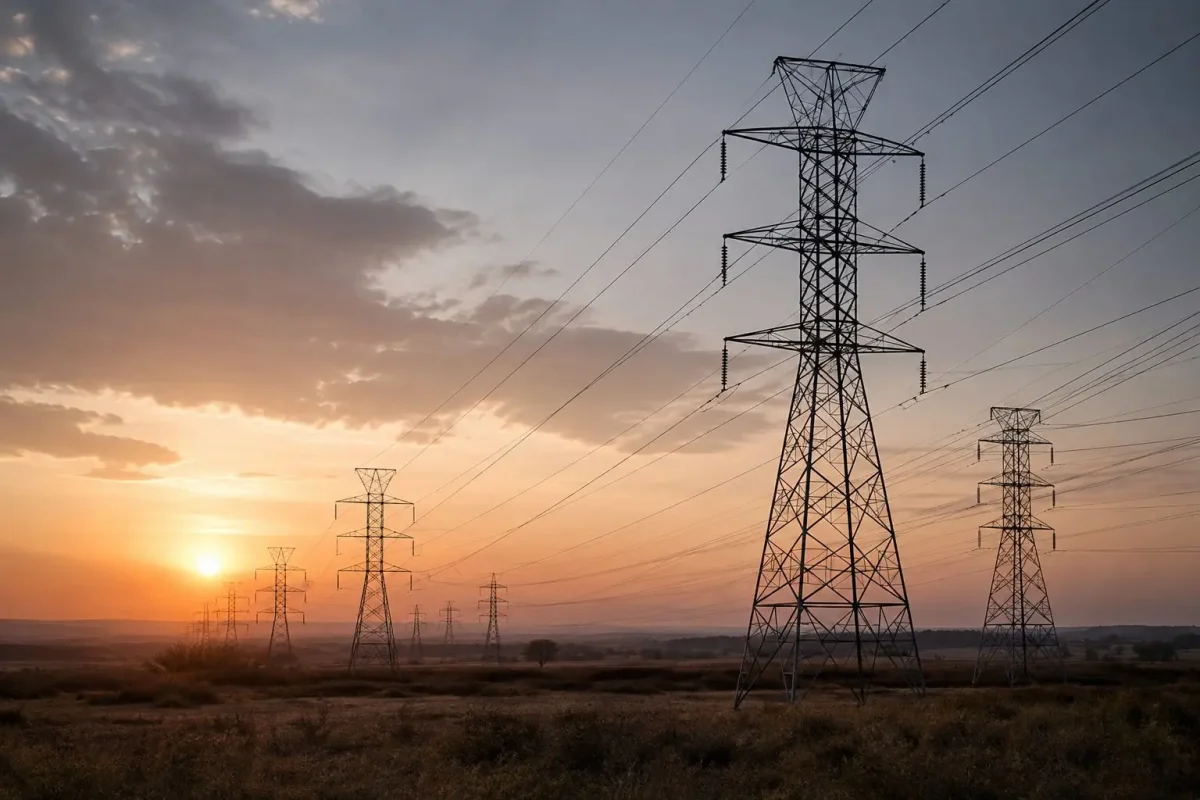
NEW YORK, July 30, 2026 – Wholesale electricity prices in the Nebraska-Iowa corridor surged above $500 per megawatt-hour on Tuesday, creating a stark fivefold price gap compared to neighboring regions. This spike, driven by transmission congestion rather than a broad supply deficit, underscores the growing importance of grid infrastructure for utility investors.
According to the Southwest Power Pool (SPP), power rates in the Nebraska-Iowa border area exceeded $500/MWh, while Kansas and Oklahoma remained under $100/MWh. The disparity highlights the impact of localized bottlenecks, particularly around coal-fired facilities operated by MidAmerican Energy, a subsidiary of Berkshire Hathaway (NYSE:BRK.B).
The SPP has identified an initial emergency fleet of 3.93 gigawatts, with coal accounting for 68.7% of that capacity. The emergency roster includes 32 units with a combined summer capacity of 3,934.78 MW, as detailed in a Department of Energy (DOE) filing. Tri-State, a non-profit cooperative, controls 78% of this emergency capacity, followed by Platte River Power Authority (16.8%) and Colorado Springs Utilities (5.2%).
Despite the price surge, the emergency capacity is not directly tied to publicly traded merchant generators. Instead, the figures suggest a shift toward regulated grid investment. Xcel Energy (NASDAQ:XEL) provided a relevant example on the same day, reporting that much of its quarterly profit increase came from recovering infrastructure costs. Xcel’s second-quarter earnings per share rose to $0.93 from $0.75 a year earlier, with net income climbing to $586 million from $444 million.
Coal and natural gas together accounted for nearly 80% of SPP’s power output, while wind contributed only about 7%. Wind generation fell short of expectations, adding strain during peak demand periods. The DOE directive authorizes SPP to operate specified facilities and reserve generators ahead of or during an EEA3 emergency, with the order set to expire at 11:59 p.m. CDT on August 3.
The key investor takeaway lies in the apparent contradiction: SPP’s eastern region began the summer with 5,752 MW of surplus accredited capacity and a planning reserve margin of 17.1%. Yet the emergency roster of 3,935 MW is similar in scale but covers different areas and serves distinct purposes. The pricing difference indicates that location and transmission constraints had a greater impact than total capacity.
For investors, the event reinforces the importance of location over sheer capacity. The fivefold price division between the Nebraska-Iowa border and southern regions highlights the value of regulated grid investments and the potential for infrastructure spending. Risks include a shift to cooler weather or higher winds that could quickly lower prices, while increased plant outages or tighter transmission could require more severe emergency measures.