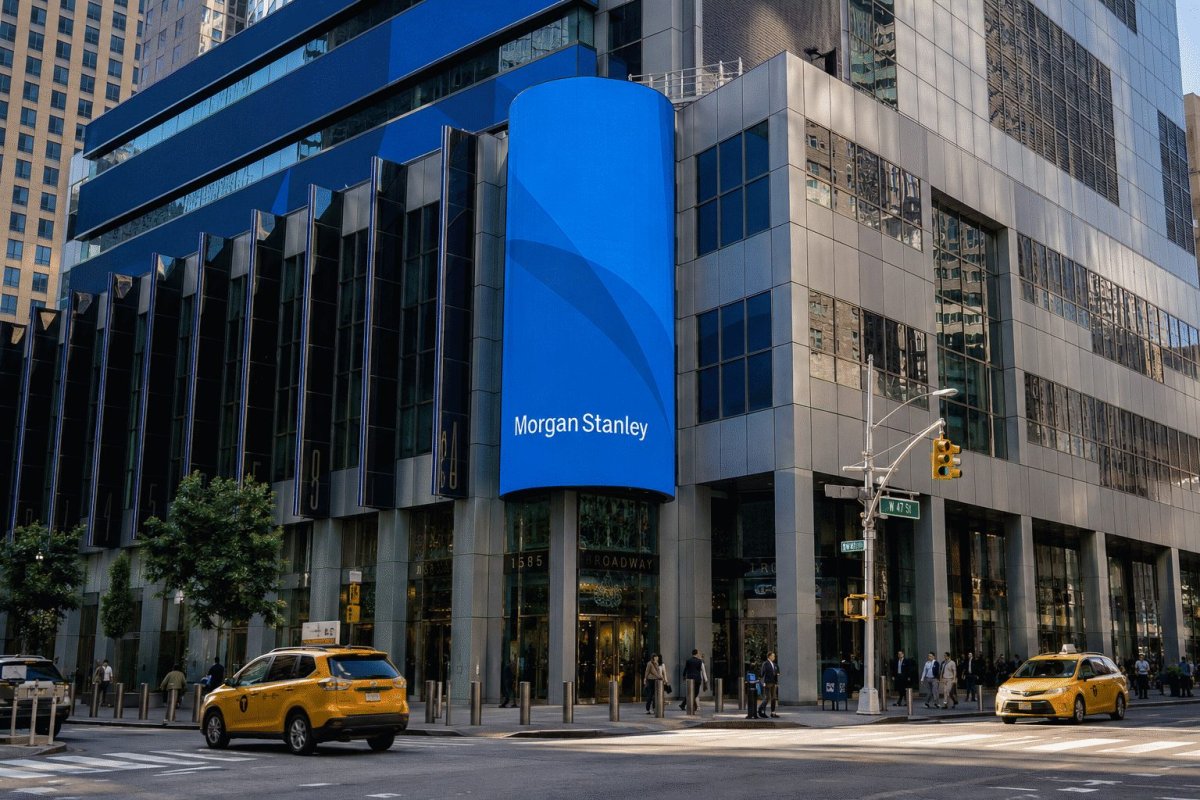
Morgan Stanley (NYSE:MS) has reportedly chosen Dallas as the site for a major regional hub, a move that could eventually accommodate nearly 4,800 employees. That figure represents roughly 5.8% of the bank's current global workforce of 83,000 people, according to data from Google Finance. The announcement, which surfaced in a report on Thursday, comes as the firm looks to optimize its operating footprint while continuing to expand its client-facing businesses.
Incentives and Project Scope
The City of Dallas has approved an incentive package worth up to $18.5 million in cash grants, tied to job creation milestones. The reported project value stands at approximately $1.33 billion, meaning the city's contribution amounts to just 1.4% of the total investment. The plan includes a 709,000-square-foot tower on McKinney Avenue, along with temporary space at Fountain Place, according to city records.
While Morgan Stanley has not yet issued a formal press release confirming the final site selection, municipal documents indicate that the bank has accepted the incentive agreement. The deal provides $8 million for at least 3,800 jobs, with an additional $2 million available if the company adds 1,000 more positions, bringing the potential total to 4,800. Other grants cover property-tax abatements and development fee waivers.
Investor Reaction and Market Context
The market's response to the Dallas news was muted. Morgan Stanley shares closed at $207.45 on Thursday, down 3.16%, a sharper decline than that of several large U.S. banking peers. Goldman Sachs (NYSE:GS) fell 1.93%, JPMorgan Chase (NYSE:JPM) slipped 1.60%, and Wells Fargo (NYSE:WFC) dropped 2.61%. This suggests investors were focused on broader valuation concerns rather than the Dallas expansion itself.
At its current price, Morgan Stanley trades at 16.76 times trailing earnings, with a market capitalization of $325.81 billion. The stock remains 10.7% below its 52-week high, leaving room for operational improvements but indicating that property incentives alone are unlikely to move the needle significantly.
Strong Financial Backdrop
The bank enters this expansion from a position of strength. In the second quarter, net revenue surged 27% year-over-year to $21.35 billion, while pre-tax income jumped 59% to $7.35 billion. Diluted earnings per share climbed 62% to $3.46. Institutional Securities revenue rose 44% to $11.04 billion, and wealth management net new assets more than doubled to $148.1 billion.
CEO Ted Pick highlighted the firm's performance, citing "active markets and consistent execution across all three regions." Equity trading revenue hit a record $6.3 billion, and total client assets in wealth and investment management crossed the $10 trillion threshold.
Workforce Dynamics
The Dallas hub is expected to serve a growing platform rather than a turnaround effort. However, staffing levels remain fluid. In March, Morgan Stanley cut approximately 2,500 jobs, about 3% of its workforce, while indicating that hiring would continue in select areas. The Dallas buildout could involve a mix of relocations, replacements, and new roles, rather than pure headcount growth.
Analyst Sentiment and Capital Returns
Analyst coverage remains largely positive, though not unanimous. According to Google Finance, nine analysts rate the stock a Buy, six a Hold, and one a Sell, with an average 12-month price target of $242, implying about 16.7% upside from Thursday's close. Recent actions include a Buy reiterated by DBS with a $250 target, and a Hold from HSBC with a $215 target.
Capital returns provide additional support. In June, Morgan Stanley raised its quarterly dividend to $1.15 per share and authorized a $20 billion multi-year share repurchase program, equivalent to roughly 6.1% of its current market value.
Risks and Outlook
Several risks could temper the benefits of the Dallas expansion. The site selection is based on reporting and municipal records, not a company announcement. Hiring targets are conditional and spread over several years. Construction costs, execution delays, tax rule changes, and employee retention issues could erode expected savings. Additionally, a downturn in capital-markets activity could pressure the bank's core earnings.
Despite these uncertainties, the Dallas hub represents a strategic bet on lower-cost operations and geographic diversification. As the bank continues to integrate its wealth and investment management arms, the new facility could play a key role in supporting future growth.