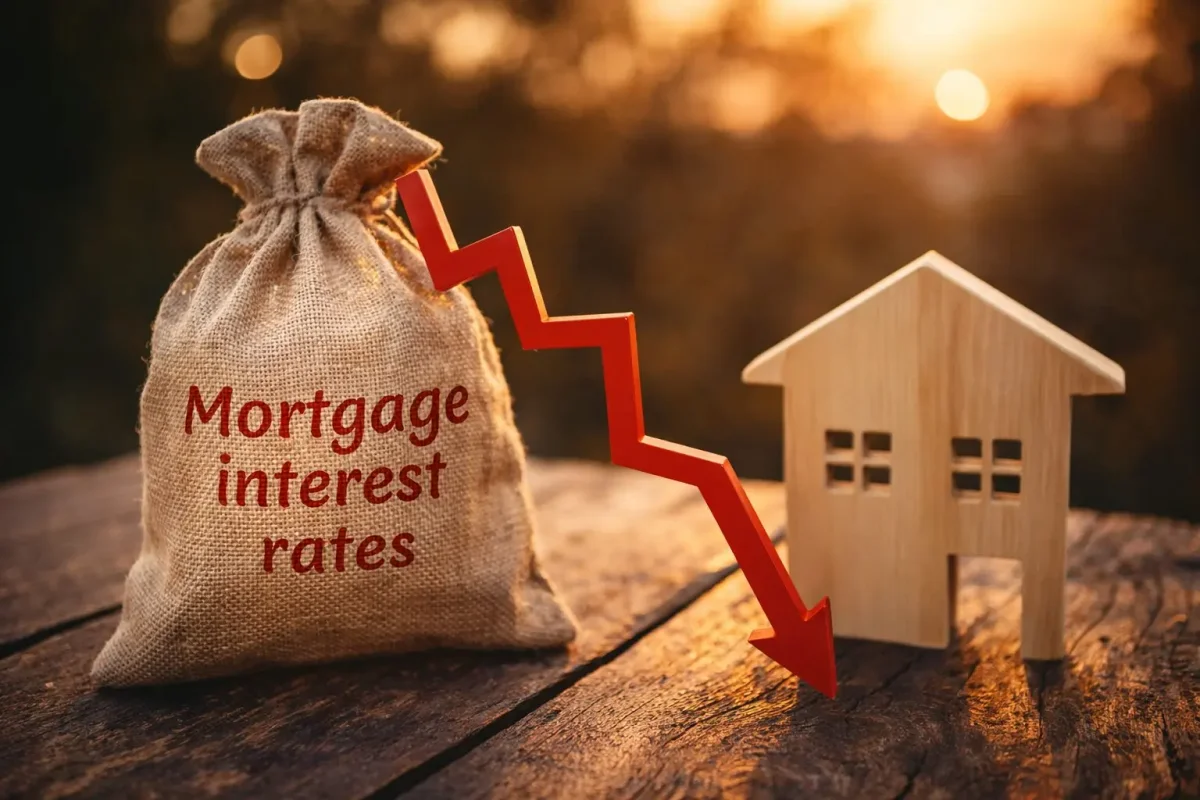
The average interest rate for a 30-year fixed mortgage for borrowers with excellent credit decreased to 6.29% on Tuesday, March 17, 2026, according to data from Mortgage News Daily. This represents a modest decline from the 6.36% average recorded on Monday. The dip comes as financial markets entered a period of relative calm ahead of the Federal Reserve's latest policy decision, scheduled for release on Wednesday.
Spring Market Shows Fragile Momentum
Recent data indicates a tentative pickup in housing activity as borrowing costs eased slightly. The National Association of Realtors reported that contracts to purchase existing homes, known as pending sales, rose by 1.8% during February. This uptick is directly attributed to the recent softening in mortgage rates. However, this nascent recovery faces significant headwinds, including rising oil prices, increasing Treasury yields, and persistent concerns about inflation, which could pressure rates higher again.
Despite the daily decline, the broader rate environment remains elevated. Freddie Mac's widely followed weekly survey, which aggregates lender quotes from the prior week, placed the average 30-year fixed rate at 6.11% as of March 12, up from 6.00% the week before. The 15-year fixed rate averaged 5.50% in that survey. For comparison, Mortgage News Daily's more frequent daily tracking showed the 15-year rate at 5.93% on Tuesday. The Mortgage Bankers Association's latest weekly figure for the 30-year fixed rate was 6.19% as of March 11.
Builders Rely on Incentives Amid Subdued Sentiment
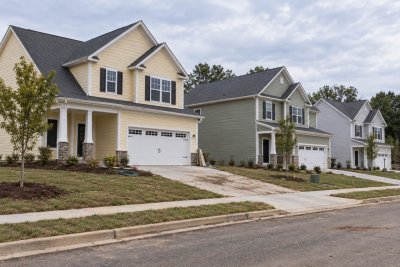
Homebuilder confidence remains in contraction territory. The NAHB/Wells Fargo Housing Market Index edged up to a reading of 38 in March but has now spent 23 consecutive months below the key breakeven level of 50. In response to a market where many potential buyers are hesitant, builders are aggressively using sales incentives. Approximately two-thirds of builders reported offering such promotions, with 37% acknowledging they have cut prices, maintaining an average discount of 6%.
"Many buyers remain on the fence," stated Bill Owens, chairman of the National Association of Home Builders. The group's sentiment reflects the ongoing pressure from mortgage rates that, despite recent dips, are still significantly higher than the ultra-low levels seen during the pandemic. This has created a lock-in effect, with many existing homeowners reluctant to sell and give up their sub-3% mortgages, thereby constraining inventory.
Analyst Outlook: Modest Price Gains and Persistent Shortage
A Reuters poll of analysts released on Tuesday projects U.S. home prices will increase by a modest 1.8% this year, with growth accelerating slightly to 2.5% by 2027. The poll also quantified the nation's housing shortage at a median of 2.5 million homes, with most analysts expecting this supply gap to persist for more than five years.
"Housing is basically not doing very much," commented James Knightley, chief international economist at ING. Crystal Sunbury, a senior real estate analyst at RSM, pointed to additional pressures from a cooling labor market, cautious consumers, and rebounding inflation, all of which squeeze affordability for big-ticket purchases like homes.
Risks and Fed Influence
Experts warn that Tuesday's rate relief may be fleeting. Lawrence Yun, chief economist at the National Association of Realtors, suggested in the Reuters poll that the 30-year rate could approach 7% this year if geopolitical tensions, particularly involving Iran, escalate. Matthew Graham of Mortgage News Daily noted that while the Federal Reserve does not directly set mortgage rates—which typically follow the 10-year Treasury yield—its policy meeting days often cause volatility in rate sheets regardless of whether a rate change occurs.
Hannah Jones, a senior economic research analyst at Realtor.com, highlighted several potential hurdles for the spring housing market, including conflict in the Middle East, sticky inflation, and shifts in tariff policy. "All of it could keep mortgage rates and construction costs elevated," she said.
The current rate of 6.29%, while lower than Monday's level, remains above the 5.98% mark seen just before recent geopolitical conflicts intensified. This underscores the limited nature of the recent relief for prospective homebuyers navigating a complex and challenging market landscape.