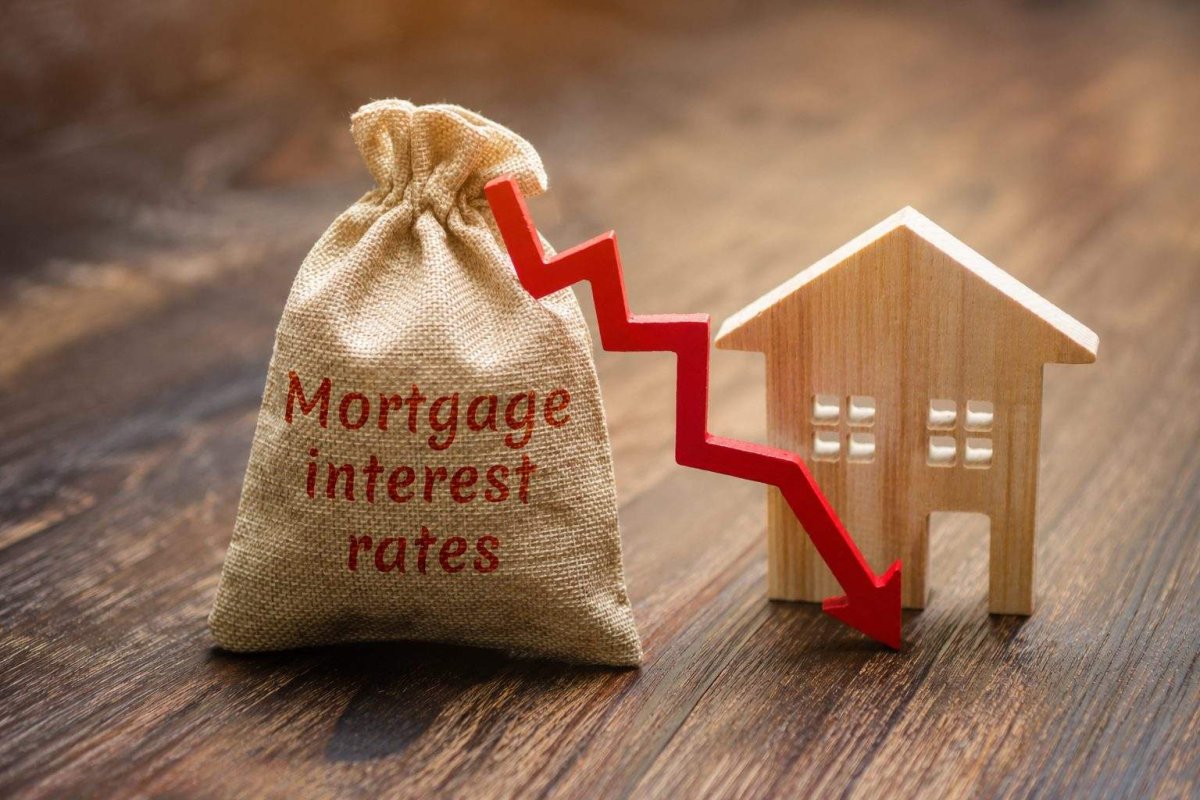
U.S. mortgage rates are holding steady in the mid-6% range, continuing to weigh on the housing market as the spring selling season transitions into summer. Despite minor fluctuations in daily trackers, borrowing costs remain elevated, keeping many potential buyers on the sidelines.
The 30-year fixed mortgage rate reached 6.53% in Freddie Mac's latest weekly survey, marking the highest level in nine months. This figure edged up from 6.51% the prior week, while the 15-year fixed rate rose to 5.87% from 5.85%. Both rates are lower than they were a year ago, but the persistent elevation is hampering market momentum.
Daily mortgage rate trackers showed slight declines on Monday, with Zillow data indicating the 30-year fixed rate at 6.33%, down 3 basis points. The 15-year fixed rate remained unchanged at 5.79%, while the 5/1 adjustable-rate mortgage increased by 24 basis points to 6.45%. However, these incremental improvements have not been enough to significantly reduce monthly payments or stimulate demand.
The broader economic backdrop continues to exert upward pressure on mortgage rates. The 10-year U.S. Treasury yield, a key benchmark for home loan pricing, moved higher on Monday amid a rally in oil prices. This has reignited inflation concerns, particularly with geopolitical tensions in the Middle East. As Treasury yields rise, mortgage rates tend to follow, even as lenders compete for customers.
Housing demand is clearly softening. Mortgage applications fell 8.5% for the week ending May 22, according to the Mortgage Bankers Association, driven largely by a decline in refinancing activity. New home sales also slipped, with the Census Bureau reporting a 6.2% drop in April to an annual rate of 622,000 units. Pending home sales, however, have increased for three consecutive months, suggesting latent demand that could be unleashed if rates decline.
On the supply side, there are some encouraging signs for buyers. Inventories have risen in several markets, and asking prices in parts of the South and Midwest have moderated. This gives shoppers more negotiating power compared to the tight conditions during the pandemic. Nevertheless, affordability remains a significant hurdle, with many buyers finding their purchasing power diminished.
Looking ahead, the trajectory of mortgage rates will depend heavily on inflation and monetary policy. If oil prices continue to push up inflation expectations, or if Treasury yields remain elevated ahead of the Federal Reserve's June 16-17 meeting, lenders may have little room to reduce rates. The Fed is expected to release new economic projections at that meeting, which could further influence rate outlooks.
“Buyers have more homes to pick from and asking prices are coming down, but their dollars don’t go as far as they did a few months ago,” said Jake Krimmel, senior economist at Realtor.com. “A resolution to the (U.S.-Iran) conflict, therefore, would do a world of good for mortgage rates, consumers, and housing market momentum.”