NASA's latest research into Mars helicopter rotors has revealed significant aerodynamic improvements, but a critical gap remains between the enhanced flight capabilities and the communications infrastructure required to support extended missions. The findings, released on October 20, 2026, highlight a 19% to 43% improvement in lift-to-drag ratio for a new rotor design, yet separate vehicle modeling still assumes rover-dependent communications, limiting the practical range of these aircraft.
The Aerodynamic Breakthrough
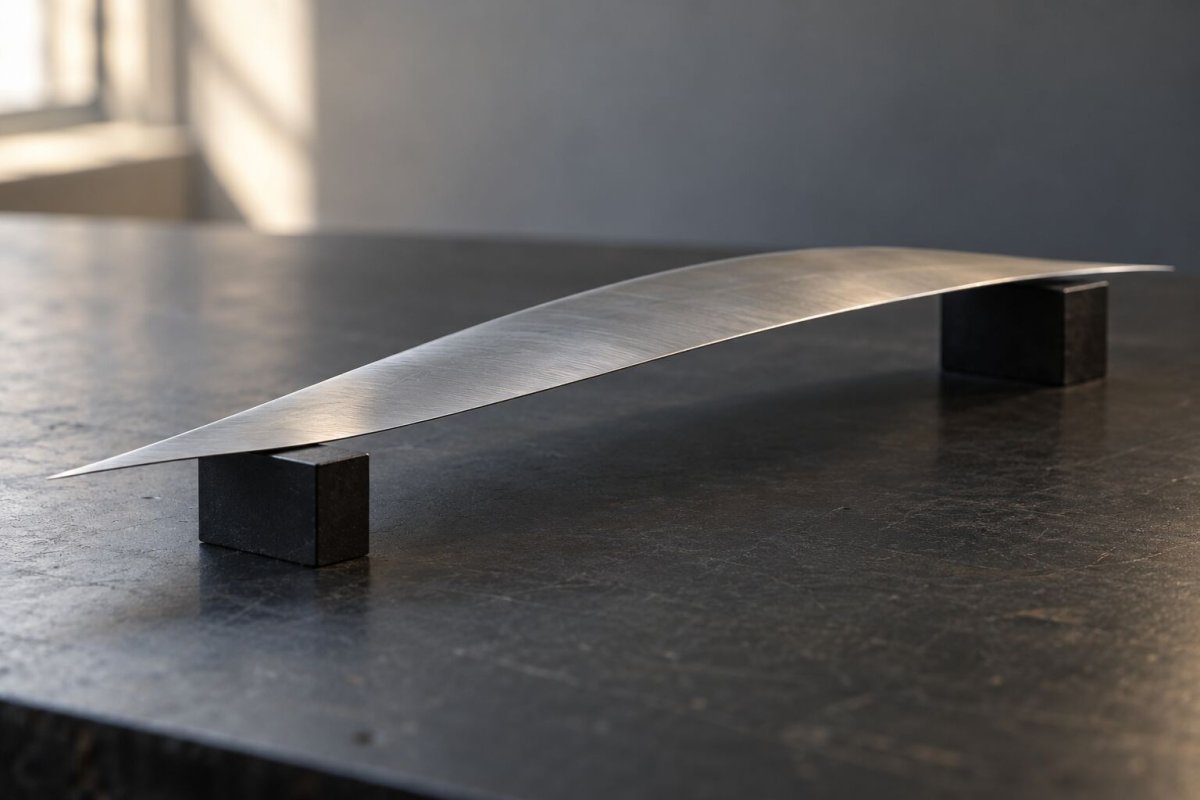
The airfoil study, conducted by researchers at NASA Ames and Imperial College London, compared the CLF5605 airfoil used on the Ingenuity helicopter with a new optimized design called roamx-0201. The new airfoil, with a thickness-to-chord ratio of just 1% compared to Ingenuity's 5%, demonstrates superior performance in Mars' thin atmosphere, which presents unique challenges due to low Reynolds numbers (20,000) and high Mach numbers (0.60).
The study, published in the AIAA Journal on September 22, used three complementary methods: NASA's OVERFLOW simulations, PyFR simulations, and wind-tunnel experiments at Tohoku University. The agreement across these methods strengthens confidence in the results, which show a maximum lift improvement of about 20% in simulations.
The Communications Bottleneck
Despite these aerodynamic gains, NASA's vehicle study, presented at a January 2026 meeting, retains communications hardware identical to Ingenuity's. Ingenuity's original radio design uses a 900-megahertz link with the Perseverance rover, capable of transmitting data over distances up to 1,000 meters. This design figure is distinct from a helicopter's total flight distance, but it means that without additional communications equipment or autonomous return within relay range, longer flights cannot be realized.
The payload trade-off is substantial. At a rotor solidity of 0.148, the modeled range drops from 18.7 kilometers without payload to 6.2 kilometers with a 0.6-kilogram payload—a 66.8% reduction. Even with increased solidity (0.167 and 0.250), the range improves to 8.5 and 13.25 kilometers, respectively, but still falls short of the aerodynamic potential.
Implications for Future Missions
This communications gap has significant implications for the future of Mars exploration. NASA's SkyFall mission, targeting a 2028 launch with three helicopters, is separate from this airfoil work. For a longer-range successor, engineers must address the question: what communications equipment and return-flight energy can fit alongside the science payload?
The rotor improvements themselves are promising. The sharp leading edge of the new airfoil deliberately disturbs airflow, helping generate lift and improving stall behavior at higher speeds. However, NASA cautions that the technology is not yet ready for Mars. Laboratory results and a flight-ready vehicle remain different milestones.
As NASA continues to develop next-generation Mars helicopters, the balance between aerodynamic performance and operational constraints will be crucial. Investors and space enthusiasts alike will watch closely to see how these technologies evolve and whether they can bridge the gap between what is possible and what is practical.