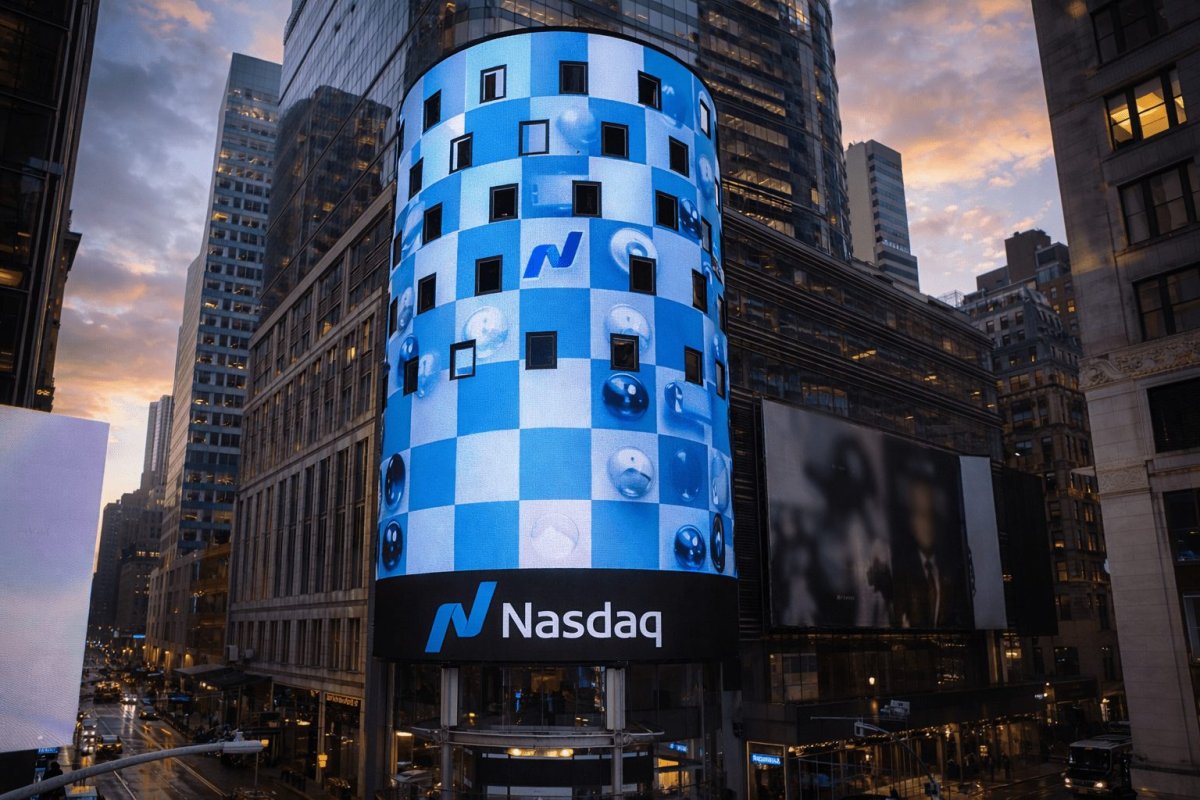
The technology-heavy Nasdaq Composite index staged a strong rebound on Monday, March 23, 2026, rising 1.77% to close at 22,033.90. The rally was fueled by a dramatic plunge in global oil prices, which helped soothe market fears that the Federal Reserve might maintain restrictive monetary policy for longer than anticipated. The S&P 500 and Dow Jones Industrial Average also posted significant gains, advancing 1.52% and 1.66%, respectively.
Oil Price Shock Reverses Market Sentiment
The catalyst for the equity surge was a sharp decline in crude oil futures. Brent crude, the international benchmark, plummeted as much as 14.5% during the session before paring losses to settle down 9.72% at $101.28 per barrel. U.S. West Texas Intermediate (WTI) crude fell nearly 8.9% to $89.49. The sell-off was triggered by comments from President Donald Trump indicating a postponement of planned U.S. strikes on Iranian power infrastructure, though Iranian media later contested the statement. Market participants interpreted the development as a potential de-escalation of Middle East tensions, a region critical to global energy supply.
This reversal provided immediate relief to a market that had been under pressure. Just the previous Friday, the Nasdaq had slumped 2.01% to 21,647.61, leaving it nearly 10% below its record high from October 29. The prior week's surge in oil prices had stoked concerns that persistent energy-driven inflation could force the Federal Reserve to delay interest rate cuts, contributing to a fourth consecutive weekly loss for major U.S. stock indices.
Federal Reserve Policy in Focus
The market's sensitivity to oil prices is directly tied to the inflation outlook and monetary policy. The Fed recently held its benchmark interest rate steady in a range of 3.50% to 3.75%, while revising its inflation forecast higher and maintaining projections for only one rate cut in 2024. Comments from Fed officials on Monday reflected a cautious stance. Chicago Fed President Austan Goolsbee emphasized that bringing inflation down remained the top priority, suggesting it needed to progress "a little ahead" of other goals. Governor Stephen Miran expressed reluctance to attribute broader economic shifts solely to the oil price shock, maintaining a preference for a gradual approach to lowering rates.
Traders are now balancing optimism from the cooling oil market against lingering worries that another spike could push the central bank back toward a more hawkish posture. Chris Larkin, Managing Director of Trading and Investing at E*TRADE from Morgan Stanley, noted the market was reacting to "potentially good news" from the Middle East but cautioned that a sustained relief rally would require confirmation of genuine momentum.
Sector Rotation and Volatility Eases
Monday's session saw a pronounced rotation. Sectors that had been battered by rate fears led the advance. Major airlines American and United both jumped over 4.5%, while banking giant JPMorgan added close to 2%. The CBOE Volatility Index (VIX), a key fear gauge, retreated from a recent two-week high. In a stark reversal from Friday's action, where mega-cap technology stocks bore the brunt of selling, the session saw broad-based buying. The energy sector was the sole laggard within the S&P 500, finishing in negative territory as crude prices retreated.
Merlin Gains on Nasdaq Composite Inclusion
Separately, shares of Merlin Inc. attracted attention following its addition to the Nasdaq Composite Index. The stock gained $1.25 to reach $9.25 by late morning trading. The Nasdaq Composite is a broad-market index that tracks over 2,500 stocks and is updated daily; companies can become eligible for inclusion after just one full day of trading on the exchange.
Boston-based Merlin, an aerospace and defense software company, began public trading on March 17, 2026, following the completion of its merger with special purpose acquisition company Inflection Point Acquisition Corp. IV. The transaction provided approximately $200 million in gross proceeds and established Merlin's pre-money valuation at $800 million. CEO Matt George has described the company's mission as "rethinking what flight can be."
Outlook Remains Cautious
Despite Monday's rally, analysts warned that the reprieve might be fragile. Geopolitical uncertainties persist, with reports of ongoing strikes in Israel contradicting the narrative of de-escalation. Investment bank Goldman Sachs raised its full-year 2026 Brent crude target to $85 per barrel but also noted that prices could average $110 in March and April if disruptions continue at the Strait of Hormuz—a critical chokepoint for about 20% of global oil and liquefied natural gas shipments.
Investors are now closely monitoring oil price movements, commentary from Federal Reserve officials, upcoming business activity data, and consumer sentiment readings. These indicators will help determine whether Monday's rebound marks the beginning of a more sustainable upward move or merely a temporary bounce within a volatile news-driven cycle.