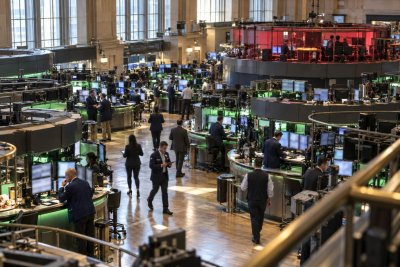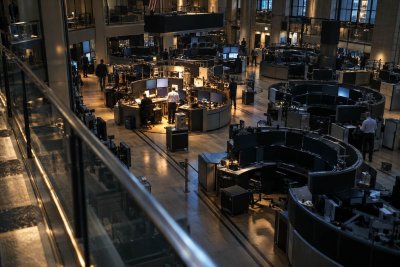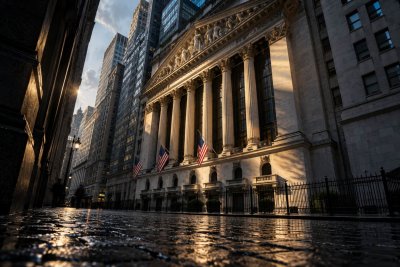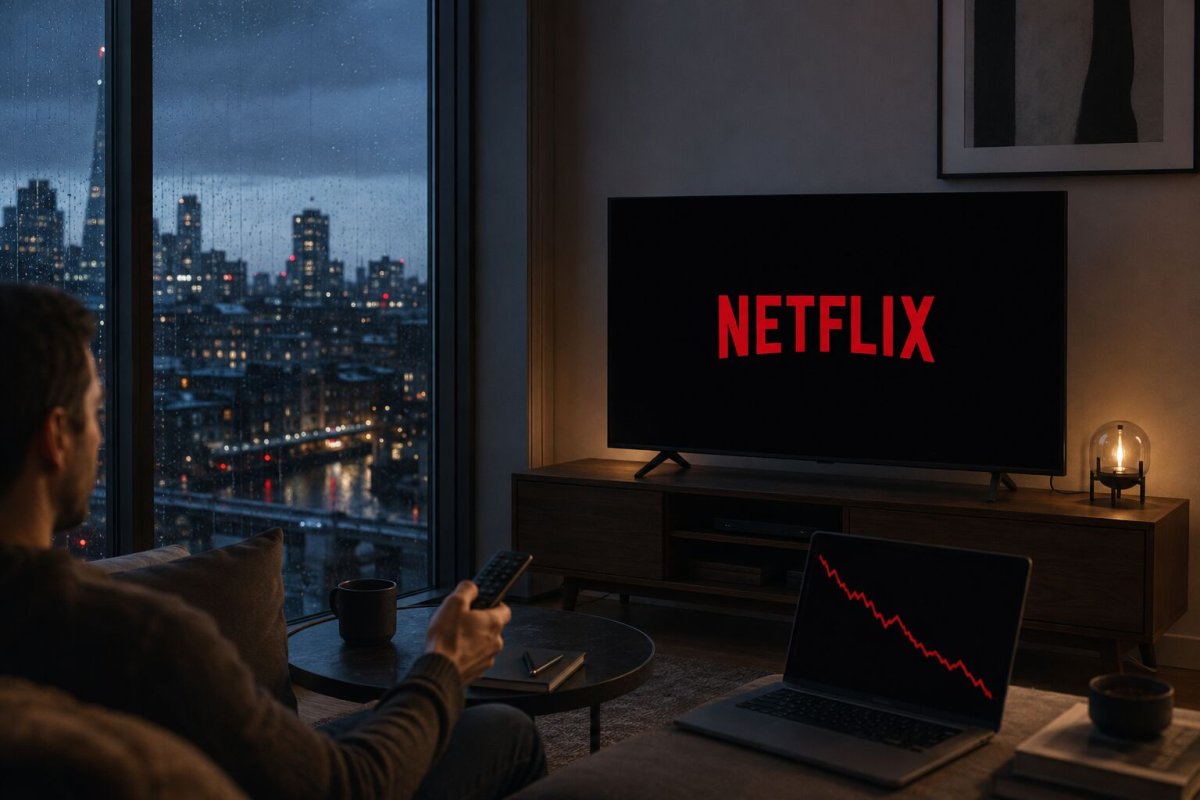
Netflix Inc. (NASDAQ: NFLX) experienced a sharp decline on Friday, with shares tumbling 5.35% to close at $78.25. This drop erased approximately $18.4 billion in market capitalization, marking a significant single-day loss for the streaming giant. The sell-off was triggered by the company's announcement of a second UK price increase in 2026, which raised the cost of its ad-supported tier by 33.4% to £7.99 per month.
The magnitude of the market reaction far exceeded the potential revenue impact of the UK price changes. Even under optimistic assumptions, the annualized revenue uplift from the UK adjustments is estimated at only $410 million to $586 million. In contrast, the $18.4 billion loss in equity value represents roughly 31 to 45 times that potential revenue increase, underscoring the market's heightened sensitivity to subscriber growth and pricing power.
Friday's decline broke a relatively calm trading week for Netflix, which had seen its stock close at $82.67 on Thursday. Trading volume on Friday reached 39.9 million shares, slightly below the three-month daily average, suggesting that the sell-off was driven by fundamental concerns rather than panic selling.
The UK price adjustments affect all subscription plans. The Standard with Ads tier saw the steepest increase, rising 33.4% from £5.99 to £7.99. The Standard plan increased by 7.7% to £13.99, and the Premium plan rose by 10.5% to £20.99. These changes narrow the price gap between the ad-supported and Standard tiers from £7 to £6, making downgrading less attractive but also potentially reducing the incentive for price-sensitive customers to remain on the ad tier.
The timing of the increase is particularly notable given the ad tier's rapid growth. According to industry measurement body Barb, approximately 18.1 million UK homes had Netflix access in the first quarter, with 40% (about 7.2 million) using the ad-supported tier. That ad-tier reach had grown 50% year-over-year, making it a key growth driver for Netflix's advertising strategy.
Netflix's move to raise prices on its fastest-growing tier is a calculated bet. Management expects advertising revenue to reach roughly $3 billion this year, double the 2025 figure. By increasing subscription fees on the ad tier, Netflix aims to boost revenue through both higher subscription fees and increased advertising inventory, provided subscriber numbers hold steady.
However, the risk is that the price hike could slow ad-tier adoption or lead to cancellations. The company's statement that the increases "reflect improvements to our wide range of entertainment and the quality of our service" may not fully assuage consumer concerns. Max Beckett, a broadband expert at Uswitch, described the ad-tier increase as "a hefty jump."
The broader market context also played a role in Friday's sell-off. The US economy added 162,000 jobs in August, well above recent monthly averages, fueling speculation that the Federal Reserve may maintain its hawkish stance. The ten-year Treasury yield rose to 4.78%, and the Nasdaq Composite fell about 0.3%. Netflix's decline was more pronounced, indicating that company-specific factors amplified the market-wide pressure.
Netflix's overall growth profile remains under scrutiny. Second-quarter revenue rose 13.4% to $12.56 billion, but the third-quarter forecast implies a slowdown to 11.7% growth. The company's operating margin target for 2026 remains at 31.5%. These metrics suggest that Netflix is entering a phase of decelerating growth, making pricing power and subscriber retention critical to maintaining investor confidence.
UK-specific revenue is not disclosed separately, but the EMEA region contributed $4.03 billion in second-quarter revenue, up 14% year-over-year. The UK price changes are expected to contribute to future EMEA growth, though the exact impact will depend on subscriber reactions.
US markets resume trading on Tuesday after the Labor Day holiday. The true test of Netflix's pricing strategy will come in the coming weeks as UK customers receive notification emails and decide whether to stay, downgrade, or cancel. If ad-tier subscriber growth continues despite the 33% price increase, it will signal strong pricing power. If growth stalls, the increase could prove to be a strategic misstep.